

Roof & Gutter Sealant
Pay in 3 interest-free payments on purchases from £30-2000 with  . Learn more.
 Loading...
End of content
Error - No more pages to load
About Roof & Gutter Sealant
Roof and gutter sealants are indispensable waterproofing products that protect buildings from water ingress, leaks, and the damaging effects of British weather. These specialised compounds create durable, flexible seals on vulnerable areas of roofing systems, guttering, flashing joints, and drainage components. Whether addressing emergency repairs during a downpour or conducting planned preventative maintenance, the right sealant can prevent thousands of pounds in water damage whilst significantly extending the service life of roofing installations.
Modern roof sealants are available in various formulations to suit different substrates and application methods. Liquid roof coatings in tins can be brushed or rolled onto large areas like flat roofs, whilst cartridge-based sealants deliver precise application around flashings, joints, and seams. Many are engineered to remain elastomeric after curing, accommodating the natural expansion and contraction of building materials through seasonal temperature changes without cracking or losing adhesion. Advanced formulations can even be applied in damp conditions, providing emergency repair solutions when waiting for dry weather isn't an option.
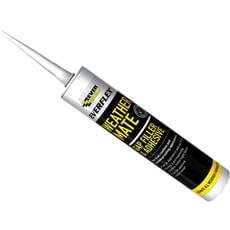
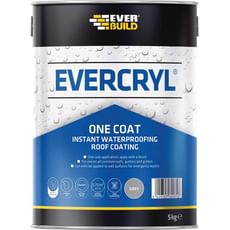
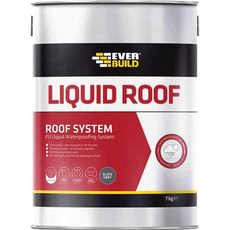
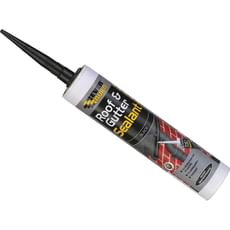
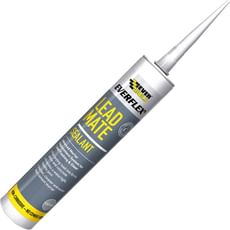
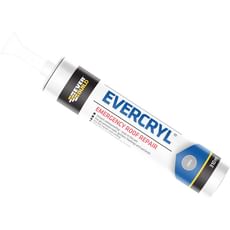
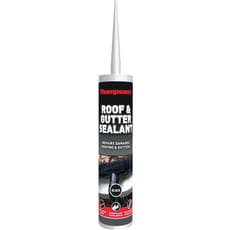
Tooled-Up.com stocks a comprehensive selection from Everbuild, a trusted British manufacturer renowned for professional-grade sealants and weatherproofing products. The range includes popular solutions like Aquaseal Liquid Roof for coating applications, Evercryl for emergency repairs, specialist Lead Mate for lead flashing work, and versatile Roof and Gutter Sealant for general maintenance across residential, commercial, and industrial projects.
Jargon Buster
- Elastomeric Sealant: A flexible rubber-based sealant that stretches and contracts with substrate movement, maintaining a watertight seal even as temperatures fluctuate and materials expand or contract throughout the seasons.
- Touch-Dry Time: The period after application when the sealant surface has cured sufficiently that it won't transfer onto fingers or tools, though full cure strength and waterproofing performance may not yet be achieved.
- Substrate: The underlying material or surface to which the sealant is being applied, such as slate, tile, lead, concrete, asphalt, felt, or UPVC guttering. Different substrates may require specific sealant formulations or primers.
- Flashing: Weatherproof material (typically lead, zinc, or aluminium) installed around roof penetrations, chimneys, valleys, and joints to direct water away from vulnerable areas. These critical junctions frequently require sealant to maintain complete waterproofing.
- One-Coat Coverage: A sealant formulation with sufficient opacity, body, and thickness to provide complete protection and coverage in a single application, saving both time and material costs on larger projects.
- Overpaintable: A sealant that, once fully cured, can be painted over with standard masonry or exterior paints to match surrounding surfaces or provide additional UV protection on exposed applications.
Who Uses Roof & Gutter Sealant?
- Roofers and roofing contractors carrying out repairs, maintenance, and weatherproofing installations
- General builders completing waterproofing as part of renovation, extension, and construction projects
- Property maintenance professionals responsible for commercial and residential building upkeep
- Facilities managers overseeing large property portfolios and conducting preventative maintenance programmes
- Plumbers dealing with gutter installations, drainage system connections, and water ingress issues
- Landlords and letting agents managing rental properties and addressing weather-related repairs promptly
- Experienced DIY enthusiasts tackling home improvement and maintenance projects
- Caravan and mobile home owners maintaining weatherproof seals on their vehicles
- Agricultural workers repairing farm buildings, barns, outbuildings, and rural structures
- Local authority maintenance teams responsible for council properties and public buildings
How to Choose the Right Roof & Gutter Sealant
Application Type: Determine whether you need emergency repairs during wet weather or planned maintenance in dry conditions. Emergency repair products like Everbuild Evercryl can be applied in damp conditions or light rain, whilst standard sealants require dry substrates for optimal adhesion and long-term performance.
Substrate Compatibility: Different sealants are formulated for specific materials. Specialist products like Lead Mate are designed specifically for lead flashings, whilst general-purpose roof sealants work across slate, tile, concrete, felt, and metal. Always verify compatibility with your substrate before purchase to ensure proper adhesion.
Coverage Area: Liquid roof coatings in tins are economical for large areas like flat roofs, offering better value per square metre when applied with brush or roller. Cartridge-based sealants provide precise, waste-free application for joints, seams, and localised repairs where controlled dispensing is essential.
Weather Resistance: British weather demands products that withstand freeze-thaw cycles, persistent moisture, and UV exposure. Look for sealants specifically tested for UK climate conditions with proven long-term flexibility that won't crack, peel, or lose adhesion through seasonal extremes.
Cure Time and Rain Resistance: Consider your project timeline and weather forecast. Fast-curing products minimise vulnerability during the curing period, whilst some formulations offer immediate rain resistance even before achieving full cure strength, providing peace of mind on unpredictable weather days.
Colour and Finish: For visible areas, select colours that blend with existing roofing materials. Many sealants available from Tooled-Up are overpaintable once cured, offering flexibility for aesthetic matching on customer-facing projects or conservation work where appearance matters.
Popular Accessories
- Application brushes and rollers for spreading liquid roof coatings evenly across large surfaces
- Skeleton guns and cartridge applicators for controlled, precise dispensing of cartridge-based sealants
- Surface preparation wire brushes for removing loose material, moss, algae, and debris before application
- White spirit and cleaning rags for tool cleaning and removing excess uncured sealant
- Reinforcement mesh tape for additional strength over cracks and particularly vulnerable joints
- Roof and gutter primers to improve adhesion on difficult, porous, or weathered substrates
- Safety harnesses and roof ladders for secure access to working areas at height
- Weatherproof dust sheets to protect areas below the work zone from drips and spillages
- Stanley knives and scrapers for preparing surfaces and removing old, failed sealant
- Mixing paddles for stirring settled liquid coatings before application
Safety Information
Working at Height: Roof work is regulated under HSE guidelines. Use appropriate access equipment including properly secured ladders, scaffolding, or mobile elevated work platforms. Always use fall protection equipment including harnesses and anchor points when working above two metres, and never work alone on roofs.
Product Handling: Consult the manufacturer's safety data sheet before use. Many sealants contain solvents or chemicals requiring adequate ventilation during application and curing. Wear appropriate PPE including nitrile gloves to prevent skin contact, safety glasses to protect eyes from splashes, and respiratory protection if working in confined spaces.
Surface Preparation: When removing old sealant or preparing surfaces on buildings constructed before 2000, be aware of potential asbestos in roofing materials, soffits, and guttering. If you suspect asbestos presence, stop work immediately and consult a licensed asbestos professional before proceeding.
Weather Conditions: Never work on roofs during high winds, rain, ice, or when surfaces are slippery. Even when using emergency repair products designed for damp conditions, personal safety must take precedence over completing repairs urgently. Postpone work if conditions are unsafe.
Frequently Asked Questions
Can roof sealant be applied in wet weather?
Most standard roof sealants require dry conditions for proper adhesion, but emergency repair products like Everbuild Evercryl are specifically formulated to be applied even in damp conditions or light rain. However, standing water should always be removed before application, and dry conditions will always produce superior long-term results when circumstances allow. Check the manufacturer's technical data sheet for specific application conditions.
How long does roof and gutter sealant last?
Quality roof sealants typically provide 5-10 years of effective weatherproofing when correctly applied to properly prepared surfaces. Lifespan depends on substrate preparation quality, application thickness, UV exposure levels, and the severity of weather conditions. Regular inspection and minor touch-ups can extend service life significantly beyond the initial expected lifespan.
What's the difference between cartridge and liquid roof sealant?
Cartridge sealants are ideal for joints, seams, flashing work, and localised repairs, offering precise application with minimal waste using a standard skeleton gun. Liquid roof sealants in tins are more economical for coating larger areas like flat roofs or extensive gutter repairs, applied with brush or roller for uniform coverage across square metres of surface. Choose based on the scale and nature of your project.
Do I need to prime the surface before applying roof sealant?
Priming depends on the substrate type and sealant formulation. Porous materials like concrete, weathered timber, or ageing felt often benefit from priming to improve adhesion and reduce sealant absorption into the substrate. Non-porous surfaces like UPVC, metal guttering, or lead typically don't require primers but must be thoroughly cleaned, degreased, and dried before sealant application for optimal performance.
Can roof sealant be painted over?
Many roof sealants, including several Everbuild products stocked at Tooled-Up, are overpaintable once fully cured. This typically takes 24-48 hours depending on temperature, humidity, and film thickness, though full cure may take longer. Always check the manufacturer's technical data sheet for specific overpainting times and compatible paint types. This allows you to match the sealant to surrounding roof colours or provide additional UV protection on particularly exposed applications.