

Roofing Hammers

Pay in 3 interest-free payments on purchases from £20-£3000 with  . Learn more.
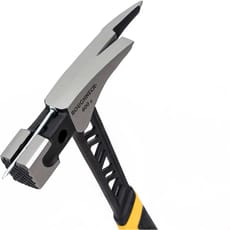
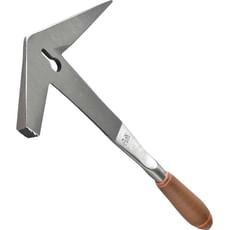
 Loading...
End of content
Error - No more pages to load
About Roofing Hammers
Roofing hammers, also known as slater's hammers or slating hammers, are specialised hand tools designed specifically for roofing professionals working with slate, tiles, and other roofing materials. Unlike standard claw hammers, roofing hammers feature unique design elements that make them indispensable for cutting, shaping, and fixing roofing materials at height. The distinctive head typically incorporates a striking face for driving nails, a sharp blade or pick for trimming slate and tiles, and often a nail puller or claw for removing fixings. Many traditional roofing hammers are hand-forged with carefully balanced heads, ensuring precision and control during delicate roofing work.
The design of roofing hammers has evolved over centuries to meet the specific demands of roof work. Features such as left and right bevels on the cutting edge allow roofers to score and split slate cleanly from either side, whilst the pointed pick end enables precise hole-punching for nail fixings. Professional roofing hammers often feature ergonomic handles made from leather, wood, or modern composite materials that provide secure grip even in wet conditions. The weight distribution is carefully calibrated, typically between 600g and 800g, to deliver sufficient striking force without causing fatigue during extended periods of overhead work.
Tooled-Up.com stocks quality roofing hammers from trusted manufacturers like Edma, providing tradespeople with the reliable tools needed for professional slate and tile installation. Whether you're working on heritage restoration projects requiring traditional techniques or modern residential roofing, a properly designed roofing hammer remains an essential tool that combines multiple functions in a single, well-balanced implement.
Jargon Buster
- Slater's Hammer: A specialised roofing hammer designed primarily for working with slate roofing materials, featuring a blade for cutting and a pick for punching nail holes.
- Left and Right Bevels: Angled cutting edges on both sides of the hammer head that allow the user to score and split slate from either direction, providing versatility when working in confined spaces on a roof.
- Nail Puller: A claw or notched feature integrated into the hammer head, designed for extracting roofing nails and fixings without damaging surrounding materials.
- Hand-Forged: A traditional manufacturing method where the hammer head is shaped by heating and hammering metal, resulting in a denser, more durable tool with superior balance compared to cast alternatives.
- Pick End: The pointed projection on the hammer head used for punching holes in slate and tiles for nail fixings, eliminating the need for separate drilling tools.
- Striking Face: The flat, hardened surface of the hammer head used for driving roofing nails and fixings into battens and substrates.
Who Uses Roofing Hammers?
- Professional Roofers: Specialists in slate and tile roofing who rely on roofing hammers for daily installation, repair, and maintenance work.
- Slaters: Tradespeople specifically trained in slate roofing techniques who require the precision cutting and hole-punching capabilities of traditional slater's hammers.
- Heritage and Restoration Specialists: Craftspeople working on listed buildings and conservation projects where traditional roofing methods and tools are essential.
- General Builders: Construction professionals who undertake roofing projects alongside other building work and need versatile tools for various roofing materials.
- Roofing Contractors: Business owners and teams specialising in all aspects of roof installation, repair, and maintenance across residential and commercial properties.
- Property Maintenance Teams: Professionals responsible for maintaining building portfolios who perform routine roof repairs and tile replacements.
- Experienced DIY Enthusiasts: Homeowners with the skills and confidence to undertake their own roofing repairs, particularly on smaller projects like shed or outbuilding roofs.
How to Choose the Right Roofing Hammers
Head Weight and Balance: Consider the weight of the hammer head, typically ranging from 600g to 800g. Lighter hammers reduce fatigue during extended use but may lack the momentum needed for driving larger fixings. The balance point should feel natural in your hand, with the weight distributed to allow controlled overhead work without excessive wrist strain.
Handle Material and Grip: Traditional leather handles offer excellent grip and shock absorption, whilst modern composite materials provide durability and weather resistance. Wooden handles are favoured by some traditionalists for their natural feel. The handle length should suit your working style and provide adequate clearance when working close to roof surfaces.
Cutting Edge Quality: Examine the sharpness and geometry of the blade edge used for scoring and cutting slate. Quality roofing hammers available from Tooled-Up feature properly hardened and bevelled edges that maintain sharpness through heavy use. Left and right bevels are essential for versatile cutting from any working angle.
Pick Design: The pointed pick end should be robust enough to punch clean holes through slate without bending or breaking. The angle and length of the pick affects its effectiveness in different roofing scenarios, with longer picks providing better reach into recessed areas.
Nail Puller Configuration: Consider the design of the nail extraction feature. Some hammers incorporate a traditional claw, whilst others feature notches or hooks specifically shaped for roofing nails. The design should allow efficient nail removal without damaging surrounding slates or tiles.
Manufacturing Quality: Hand-forged hammers generally offer superior durability and balance compared to cast alternatives. Check for a polished or protected finish that resists corrosion, particularly important given the exposed, often damp conditions of roofing work.
Popular Accessories
- Roofing Nails and Fixings: Galvanised or copper roofing nails in various lengths to suit different slate thicknesses and batten types.
- Nail Pouches and Tool Belts: Leather or canvas pouches that keep fixings readily accessible whilst working at height, often featuring hammer loops for safe tool storage.
- Slate Rippers: Specialist tools for removing damaged slates from beneath overlapping courses without disturbing surrounding materials.
- Roofing Squares and Gauges: Measuring tools for ensuring consistent slate positioning and alignment during installation.
- Tin Snips: For cutting lead flashing, soakers, and other metal roofing components that complement slate and tile work.
- Safety Harnesses and Lanyards: Essential fall protection equipment for working safely on pitched roofs, meeting HSE requirements for work at height.
- Knee Pads: Protective padding for comfort and safety when kneeling on roof surfaces during installation and repair work.
- Tool Rolls and Storage: Organised storage solutions for transporting roofing hammers and associated tools to site safely.
Safety Information
Work at Height Precautions: Roofing work presents significant fall risks. Always use appropriate scaffolding, roof ladders, and fall protection equipment in accordance with HSE guidance. Never compromise on safety equipment to save time or cost, as falls from height remain one of the leading causes of serious workplace injuries.
Tool Maintenance: Keep hammer heads secure on their handles by regularly checking for looseness. A detached hammer head falling from a roof poses serious danger to people and property below. Store hammers in dry conditions and inspect cutting edges for chips or cracks that could cause unpredictable tool behaviour.
Eye Protection: Always wear safety glasses when striking or cutting slate and tiles. Flying fragments can cause serious eye injuries, particularly when punching holes or splitting materials. Ensure other workers in the vicinity are also protected or maintain a safe exclusion zone.
Overhead Work Considerations: Be aware that overhead hammering creates unique ergonomic stresses. Take regular breaks to prevent repetitive strain injuries, and use proper technique to minimise shoulder and wrist strain. Position yourself securely before each strike to maintain balance on pitched surfaces.
Sharp Edge Handling: The cutting edges and pick points on roofing hammers are sharp enough to cause serious lacerations. Use tool rolls or sheaths when transporting hammers, and be conscious of the blade position when setting the tool down or passing it to colleagues.
Frequently Asked Questions
What's the difference between a roofing hammer and a standard claw hammer?
Roofing hammers feature specialised components not found on standard claw hammers, including a sharpened blade for cutting slate, a pointed pick for punching fixing holes, and often left and right bevels for scoring from multiple angles. The head weight and balance are specifically designed for overhead work and precision tasks required in roofing, whilst standard claw hammers are optimised for general carpentry and nail extraction.
Can I use a roofing hammer for other types of construction work?
Whilst roofing hammers excel at their specialised tasks, they can certainly be used for light general hammering work. However, the relatively light head weight and sharp edges make them less suitable for heavy framing or demolition work compared to dedicated hammers for those purposes. The sharp blade also requires care in applications where it might damage materials or pose safety risks.
How do I maintain the cutting edge on a slater's hammer?
The cutting edge should be periodically sharpened using a fine file or sharpening stone, maintaining the original bevel angles. Work from the handle side towards the edge in smooth, consistent strokes. Avoid over-sharpening, which can weaken the edge. After sharpening, remove any burrs from the reverse side. A properly maintained edge will score slate cleanly rather than crushing it.
What weight roofing hammer should I choose?
Most professional roofers prefer hammers in the 600g to 750g range, which provides sufficient striking force without causing excessive fatigue during prolonged overhead work. Beginners might start with a lighter hammer around 600g to build technique and stamina, whilst experienced tradespeople working with thicker slates or harder fixings may prefer weights up to 800g. The best weight is ultimately what feels balanced and controllable in your hand.
Are traditional hand-forged roofing hammers better than modern alternatives?
Hand-forged hammers typically offer superior balance, durability, and edge retention due to the manufacturing process that aligns the metal's grain structure. Many professional slaters prefer the feel and performance of traditional forged tools. However, quality modern hammers can also deliver excellent results, often at lower price points. The choice often comes down to personal preference, budget, and the type of roofing work undertaken. The Tooled-Up range includes quality options to suit different requirements and working styles.