

Roofing Squares
Pay in 3 interest-free payments on purchases from £30-2000 with  . Learn more.
 Loading...
End of content
Error - No more pages to load
About Roofing Squares
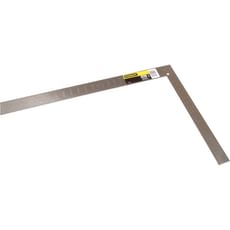
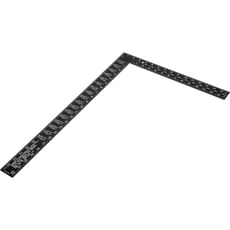
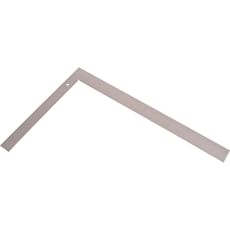
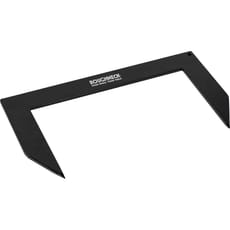
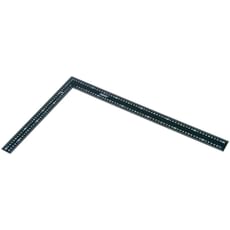
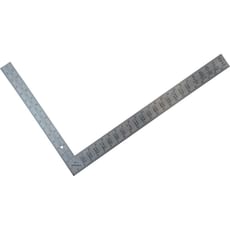
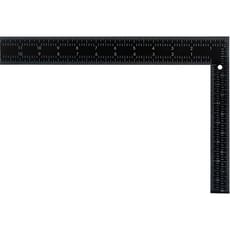
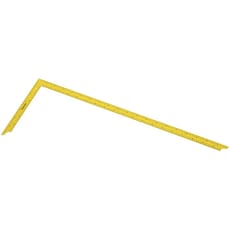
Roofing squares, often called framing squares or rafter squares, are fundamental layout tools for carpenters, roofers, and construction professionals working on timber framing and roofing projects. These L-shaped precision instruments consist of two perpendicular arms—a longer blade (typically 600mm) and a shorter tongue (usually 400mm)—both marked with accurate graduations and specialist angle tables. Unlike basic set squares, roofing squares feature dedicated scales and conversion tables that enable tradespeople to calculate roof pitches, mark rafter cuts, determine hip and valley angles, and lay out stair stringers with exceptional accuracy. This makes them indispensable for both structural carpentry and roofing work where precise angles are critical to project success.
Manufactured from durable materials including carbon steel, black steel, stainless steel, or aluminium, these versatile tools are built to withstand demanding site conditions. Quality roofing squares feature clearly etched or stamped graduations that remain legible even after years of professional use, with many models incorporating protective coatings to resist corrosion and wear. Whether you're cutting common rafters, marking out complex roof geometry, checking right angles during framework assembly, or laying out staircases, a reliable roofing square delivers the precision and repeatability that professional tradespeople require.
The selection at Tooled-Up.com includes trusted brands such as Stanley, Faithfull, Draper, Fisher, and BlueSpot, offering both traditional black steel squares and modern carbon steel options. From budget-friendly models suitable for occasional DIY projects to professional-grade squares built for daily site work, the range covers all requirements. All models feature metric graduations as standard for UK construction work, with many also providing imperial measurements for versatility across different project specifications.
Jargon Buster
- Blade: The longer arm of the roofing square, typically measuring 600mm in length and 50mm in width. The blade contains the primary measurement scales and often features rafter tables for calculating roof dimensions and cutting angles.
- Tongue: The shorter perpendicular arm of the square, usually 400mm long and 38mm wide. The tongue is used for marking cuts across timber and features measurement scales on both edges for versatility.
- Heel: The outer corner where the blade and tongue meet at a perfect 90-degree angle. This point serves as a reference when scribing lines or checking right angles in framework construction.
- Rafter Tables: Pre-calculated conversion tables stamped onto the blade that help carpenters determine rafter lengths, hip and valley measurements, and brace lengths based on roof pitch without complex manual calculations.
- Pitch: The angle or slope of a roof, typically expressed as a ratio of rise to run. Roofing squares help translate these ratios into practical cutting angles for rafters and other structural components.
- Scribed Graduations: Measurement markings that are etched or stamped into the metal surface rather than printed, ensuring they remain legible even after prolonged use in demanding site conditions and wet weather.
Who Uses Roofing Squares?
- Roofers: For calculating and marking rafter cuts, determining roof pitches, and laying out hip and valley rafters on new builds, extensions, and re-roofing projects.
- Carpenters and Joiners: Essential for framing work, stair construction, checking right angles in framework, and general layout tasks throughout carpentry and joinery projects.
- General Builders: Used during the structural phase of construction for ensuring accurate angles and measurements when erecting timber frames and roof structures.
- Shed and Outbuilding Constructors: Ideal for smaller-scale building projects where accurate roof pitch calculations and framework measurements are crucial for weathertight construction.
- Timber Frame Specialists: For precise layout work when constructing oak frames, garden rooms, and bespoke timber structures requiring traditional carpentry techniques.
- DIY Enthusiasts: Homeowners tackling ambitious projects such as building garden structures, constructing decking, or undertaking loft conversions benefit from the precision these tools provide.
- Renovation Professionals: Used when repairing or extending existing roof structures, ensuring new work matches original angles and dimensions accurately for seamless integration.
How to Choose the Right Roofing Squares
Material and Durability: Carbon steel and black steel squares offer excellent durability and rigidity for professional site use, with many featuring protective coatings to prevent rust. Stainless steel options provide superior corrosion resistance for work in damp conditions or coastal areas. Consider your working environment—if you frequently work outdoors or in wet conditions, invest in a corrosion-resistant finish that will maintain accuracy over time.
Accuracy and Graduations: Look for squares with clearly scribed or deeply stamped graduations that won't wear off with regular use. Professional-grade tools should feature metric measurements in millimetres, with some models also including imperial scales for versatility. Check that the 90-degree angle at the heel is precisely manufactured—even minor inaccuracies can compound into significant errors when marking out roof structures or stair stringers.
Size and Proportions: Standard roofing squares typically feature a 600mm blade and 400mm tongue, which provides sufficient reach for most carpentry and roofing tasks. This size strikes an ideal balance between functionality and portability, fitting comfortably in tool bags whilst providing adequate measuring capacity for marking standard timber dimensions up to 150mm x 50mm.
Rafter Tables and Markings: If you regularly calculate roof pitches and rafter lengths, choose a square with comprehensive rafter tables stamped onto the blade. These pre-calculated references save considerable time on site and reduce the risk of mathematical errors when determining cutting angles and material lengths for complex roof structures.
Brand Reputation: Established brands like Stanley, Faithfull, and Draper have proven track records for manufacturing accurate, durable measuring tools that maintain precision over years of use. Whilst budget options from brands such as BlueSpot and Fisher offer good value for occasional use and light trade work, professional tradespeople working daily should consider investing in premium options that guarantee long-term accuracy and reliability.
Price Point: Entry-level roofing squares suitable for DIY projects and light trade use typically cost between £10-£20, whilst professional-grade tools from established manufacturers range from £20-£40. For daily professional use, the additional investment in a quality square pays dividends through improved accuracy, durability, and the confidence that your measurements are consistently reliable across multiple projects.
Popular Accessories
- Carpenter's Pencils: Flat-profile pencils designed for marking timber and building materials, with thick leads that produce visible lines even on rough-sawn lumber and treated timber.
- Marking Knives: Create precise, fine lines for accurate cutting, particularly useful when marking shoulders and tenons in joinery work where pencil lines may be too thick for precision work.
- Speed Squares: Triangular layout tools ideal for quick angle marking and as a saw guide when cutting rafters and studs—an excellent complement to traditional roofing squares for diverse site tasks.
- Spirit Levels: Essential for checking that framework is plumb and level before final fixing, working alongside roofing squares to ensure both accurate angles and true horizontal/vertical alignment.
- Combination Squares: Versatile measuring tools for general carpentry work, featuring adjustable blades for marking parallel lines, checking depths, and transferring measurements efficiently.
- Tool Bags and Storage: Dedicated compartments for storing roofing squares prevent damage to the tool and protect the precision edges from impacts that could affect accuracy and longevity.
Safety Information
Whilst roofing squares themselves don't present significant safety hazards, safe working practices when using these tools are important. Always ensure the square is clean and free from debris before use, as dirt or sawdust trapped between the tool and workpiece can cause inaccurate markings leading to dangerous miscuts. When working at height during roofing projects, secure your tools properly to prevent them falling and potentially injuring people below—tool lanyards are advisable on scaffolding and roofs in accordance with HSE guidance.
The sharp corners and edges of metal roofing squares can cause cuts and abrasions, particularly when reaching into tool bags or working in confined spaces. Store squares carefully with protective edge guards where possible, and be mindful when handling them on busy sites. When marking timber for cutting, ensure workpieces are properly secured before applying pressure with the square to prevent slipping that could result in injury.
If working with treated timber or in environments where you're cutting pressure-treated materials, be aware that metal squares can transfer chemicals and preservatives. Wash hands thoroughly after work and consider wearing appropriate gloves as recommended by COSHH guidelines. For extensive roofing work, appropriate PPE including safety footwear, hard hats, and harnesses should be worn in accordance with HSE regulations and site-specific safety requirements.
Frequently Asked Questions
What's the difference between a roofing square and a framing square?
These terms are used interchangeably to describe the same tool—an L-shaped measuring square with a long blade and shorter tongue. The tool is called a "roofing square" due to its specialised rafter tables for calculating roof dimensions, whilst "framing square" refers to its broader application in timber frame construction. Both names describe the same versatile layout tool used by carpenters and roofers throughout the construction industry.
How do I check if my roofing square is still accurate?
To verify accuracy, place the square against a known straight edge (such as a quality spirit level or factory edge of sheet material) and draw a line along the tongue. Then flip the square over and align the same edge—the tongue should perfectly match the drawn line. Any gap indicates the square is out of true. For the 90-degree angle, mark a line along both blade and tongue from a corner point, then flip the square to see if it aligns exactly with both lines.
Can roofing squares be used with metric measurements in the UK?
Yes, all quality roofing squares available from Tooled-Up feature metric graduations in millimetres, which is the standard for UK construction work. Many models also include imperial measurements for versatility, but metric scales are the primary markings. When using the rafter tables stamped on some squares, you may need to convert calculations as these are sometimes based on imperial ratios, though modern UK-focused models increasingly provide metric equivalents.
Do I need a roofing square if I already have a speed square?
Whilst there's some overlap in functionality, roofing squares and speed squares serve different purposes. A traditional roofing square provides greater reach for marking long cuts and features comprehensive rafter tables for complex roof calculations. Speed squares excel at quick angle marking and work well as saw guides but have limited reach. Professional carpenters and roofers typically carry both tools, using each where it offers the greatest advantage for the specific task at hand.
How should I maintain my roofing square?
Keep your square clean and dry, wiping it down after use to remove sawdust, moisture, and debris. If working in wet conditions, dry the tool thoroughly before storage to prevent rust formation. Apply a light coating of tool oil or maintenance spray to steel squares if storing for extended periods. Never use the square as a prying tool or striking implement, as impacts can distort the perfect 90-degree angle and render the tool inaccurate. Store flat or hanging to prevent warping, and avoid placing heavy objects on top that could bend the blade or tongue.