

Rope

Pay in 3 interest-free payments on purchases from £20-£3000 with  . Learn more.

 Loading...
End of content
Error - No more pages to load
About Rope
Rope remains one of the most versatile and essential pieces of equipment for tradespeople, contractors, and DIY enthusiasts alike. Whether securing loads on site, creating temporary barriers, hoisting materials, or performing general rigging tasks, the right rope can make all the difference to safety and efficiency. Modern ropes combine traditional strength with advanced synthetic materials that resist weather, UV degradation, and chemical exposure, making them suitable for demanding outdoor and industrial environments.
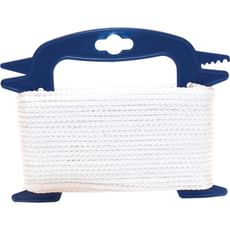
The selection at Tooled-Up.com includes polypropylene rope, multi-function rope, and static rope designed for various applications across construction, maintenance, landscaping, and general site work. Polypropylene rope is particularly popular for its excellent strength-to-weight ratio, water resistance, and affordability, making it ideal for securing tarpaulins, marking out areas, and general purpose use. These ropes are typically supplied in convenient coils or on handy hasps, ready for immediate deployment on site or at home.
Available from leading brands including Faithfull, Draper, Sealey, BlueSpot, and Portwest, these ropes are manufactured to withstand the rigours of professional use whilst remaining accessible for domestic applications. From lightweight poly rope for everyday tasks to heavy-duty options for load-bearing applications, having reliable rope in your toolkit or van is essential for countless situations where temporary securing, lifting, or pulling is required.
Jargon Buster
- Polypropylene Rope: A synthetic rope manufactured from polypropylene polymer fibres. This material is lightweight, floats on water, resists rot and mildew, and offers excellent resistance to most chemicals and UV degradation.
- Breaking Strength: The maximum load a rope can withstand before failure, typically measured in kilograms or kilonewtons (kN). The safe working load is usually a fraction of the breaking strength, often one-fifth to one-tenth depending on application and safety factors.
- Monofilament: Rope constructed from continuous single-strand fibres rather than twisted yarns. Monofilament polypropylene rope offers smooth handling characteristics and consistent strength throughout its length.
- Static Rope: Low-stretch rope designed for applications where minimal elongation under load is essential, such as hauling, rigging, and creating fixed lines. Unlike dynamic climbing rope, static rope does not absorb shock loads through stretch.
- UV Resistance: The ability of rope fibres to withstand degradation from prolonged exposure to ultraviolet light. Quality outdoor ropes incorporate UV stabilisers to maintain strength and integrity when used in sunny conditions.
- Shrink Wrapped Coils: Rope packaged in protective plastic shrink wrap to keep it clean, tangle-free, and ready for use. This packaging protects the rope during storage and transport whilst allowing easy inspection of the product.
Who Uses Rope?
- Builders and construction workers for securing loads, hoisting materials, and creating temporary barriers
- Landscapers and groundsworkers for plant support, demarcation, and moving heavy materials
- Roofers for securing tools, materials, and creating safety perimeters
- Scaffolders and riggers for general rigging tasks and load securing
- Farmers and agricultural workers for livestock management, securing gates, and general farm maintenance
- Marine and waterside workers for mooring, securing boats, and water-based applications
- Event organisers for marquee rigging, barrier creation, and temporary installations
- Warehouse and logistics personnel for load securing during transport
- Maintenance teams across facilities, councils, and property management
- DIY enthusiasts and homeowners for garden projects, vehicle recovery, and general household tasks
How to Choose the Right Rope
Material Type: Polypropylene rope offers excellent all-round performance for most applications, combining strength, weather resistance, and value. Consider whether you need a material that floats (polypropylene does), resists specific chemicals, or requires particular handling characteristics. Multi-function ropes may incorporate additional features like high visibility colours or enhanced grip.
Diameter and Breaking Strength: Thicker rope generally offers higher breaking strength but can be less flexible and harder to knot. Match the rope diameter to your intended load and application – typical diameters range from 6mm for light duties to 12mm or more for heavier applications. Always verify the breaking strength specification and apply appropriate safety factors.
Length Requirements: Tooled-Up stocks rope in various lengths, often supplied in convenient coils of 15m, 30m, or more. Consider your typical usage patterns – buying longer lengths can offer better value, though shorter lengths are easier to manage and store. Some products come on handy hasps for easy dispensing and tangle-free storage.
Indoor or Outdoor Use: For outdoor applications, ensure your rope features UV resistance and weather-resistant properties. Polypropylene excels in outdoor environments as it resists rot, mildew, and moisture absorption. Indoor applications may have different requirements depending on whether chemical resistance or specific handling characteristics are needed.
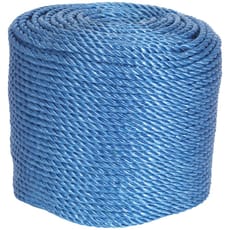
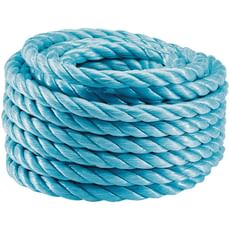
Colour and Visibility: Blue poly rope and other high-visibility colours help prevent trip hazards and make barriers more obvious on busy sites. This consideration is particularly important for safety applications or when rope will be used in areas with vehicle or pedestrian traffic.
Popular Accessories
- Rope hooks and carabiners for secure attachment points
- Cable ties and fixing bands for securing rope ends and preventing fraying
- Tensioners and ratchet straps for creating tight, secure fastenings
- Tarpaulins and covers often used in conjunction with rope for weather protection
- Work gloves to protect hands when handling rough or loaded rope
- Cutting tools including utility knives and hot cutting knives for clean rope ends
- Storage reels and organisers to keep rope tangle-free in the van or workshop
- Pulleys and blocks for mechanical advantage when lifting or hauling
Safety Information
Never exceed the safe working load of any rope, which is typically a fraction of the stated breaking strength. Apply appropriate safety factors based on the criticality of the application – HSE guidance suggests factors of at least 5:1 for general lifting applications. Always inspect rope before use for signs of damage, abrasion, chemical contamination, or UV degradation, and retire any rope showing significant wear.
Avoid shock loading, which can generate forces many times greater than the static load and potentially cause rope failure. Ensure knots are appropriate for the application, as knots can reduce rope strength by 40-50% depending on type. Wear appropriate PPE including work gloves when handling rope under tension or during hauling operations, as rope burn injuries can be serious.
When using rope overhead or in areas with pedestrian or vehicle traffic, ensure adequate barriers and warning signage are in place. Store rope in a cool, dry location away from direct sunlight, chemicals, and sharp edges. Never use general-purpose polypropylene rope for applications requiring certified lifting equipment or personal fall protection – these require specific rated and certified products meeting BS EN standards.
Frequently Asked Questions
What is the difference between static and dynamic rope?
Static rope has minimal stretch under load, making it ideal for hauling, rigging, and creating fixed lines where you need predictable length. Dynamic rope stretches significantly to absorb shock loads and is primarily used for climbing and fall protection. For general construction, securing, and rigging tasks, static or low-stretch rope like polypropylene is the appropriate choice.
How do I determine the safe working load for rope?
The safe working load is typically calculated by dividing the breaking strength by a safety factor, usually between 5:1 and 10:1 depending on the application criticality and working conditions. For example, rope with a 500kg breaking strength would have a safe working load of 50-100kg. Critical lifting applications require higher safety factors, and you should always consult HSE guidance for specific applications.
Can polypropylene rope be used outdoors permanently?
Quality polypropylene rope with UV stabilisers can withstand extended outdoor use, but it will gradually degrade with prolonged sun exposure. For semi-permanent outdoor applications, inspect the rope regularly for signs of UV damage including colour fading, surface chalking, or reduced flexibility. Replace rope showing significant degradation, typically after 1-2 years of constant outdoor exposure depending on conditions.
What causes rope to weaken over time?
UV exposure, abrasion from rough surfaces, chemical contamination, repeated loading cycles, and improper storage all contribute to rope degradation. Knots create stress concentration points that can reduce overall strength. Dirt and grit embedded in rope fibres act as abrasives, causing internal wear. Regular inspection and proper storage in cool, dry conditions away from direct sunlight extend rope lifespan significantly.
How should I cut synthetic rope without fraying?
For polypropylene and other synthetic ropes, wrapping the cut location tightly with tape before cutting helps prevent immediate fraying. After cutting with a sharp knife, briefly melting the cut ends with a heat source (taking appropriate fire safety precautions) fuses the fibres and prevents unravelling. Alternatively, whipping the ends with tape or thin cord provides a secure finish for ropes that will see regular handling.