
Rotary Brushes

Pay in 3 interest-free payments on purchases from £20-£3000 with  . Learn more.
Loading...
End of content
Error - No more pages to load
About Rotary Brushes
Rotary brushes are essential abrasive tools designed for use with power drills, die grinders, and bench grinders to clean, deburr, polish, and prepare metal surfaces. These versatile brushes feature wire bristles mounted on a mandrel or arbor, allowing them to spin at high speeds to remove rust, paint, scale, weld spatter, and corrosion from various materials. Whether you're preparing steel for welding, cleaning castings, or finishing metalwork, rotary brushes deliver efficient material removal and surface preparation across countless applications.
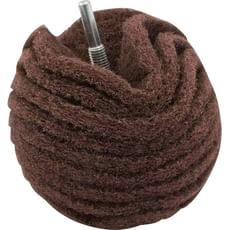
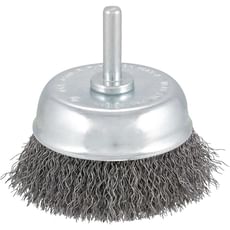
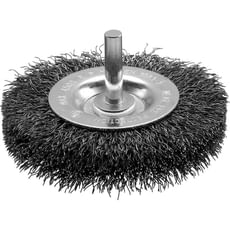
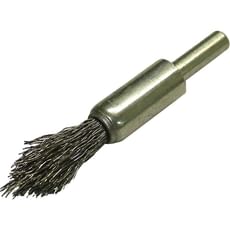
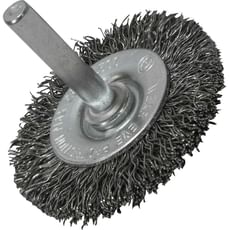
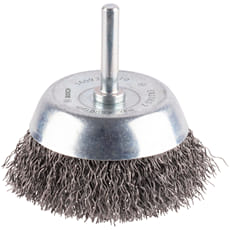
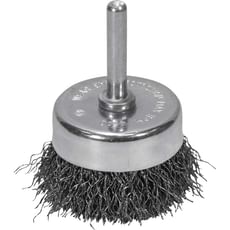
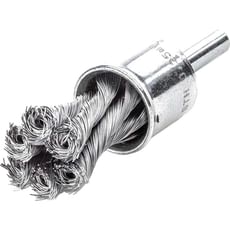
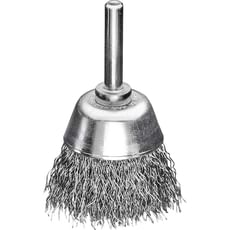
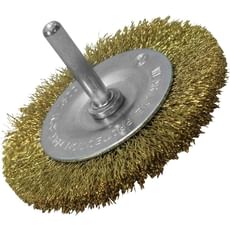
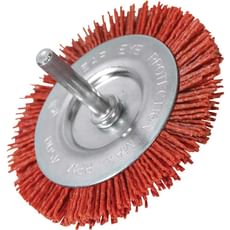
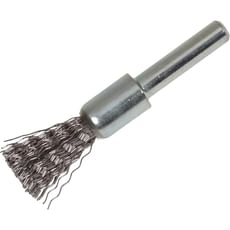
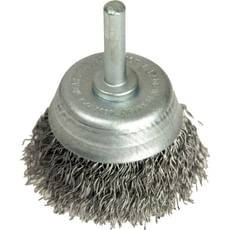
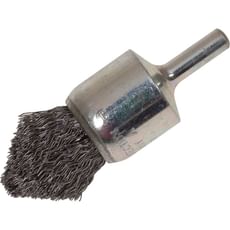
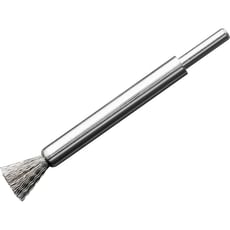
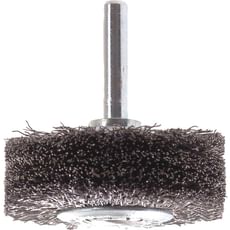
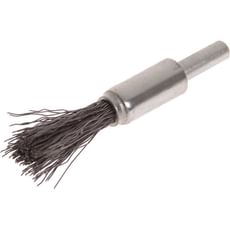
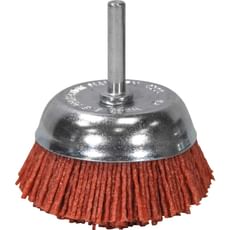
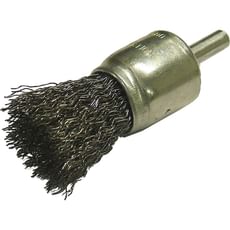
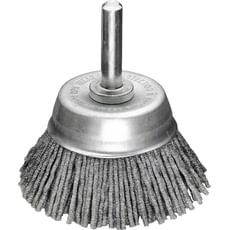
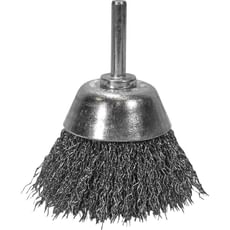
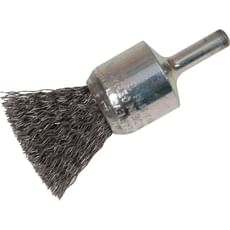
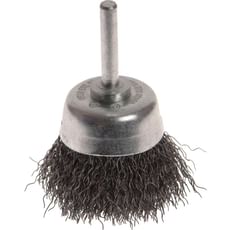
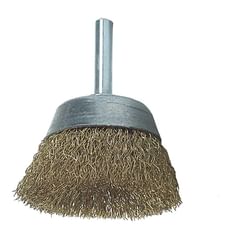
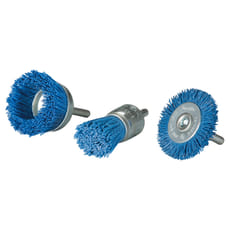
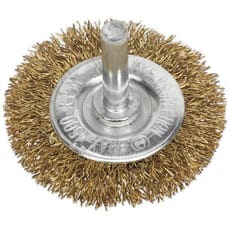
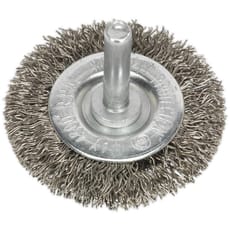
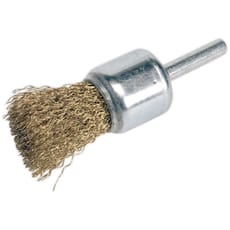
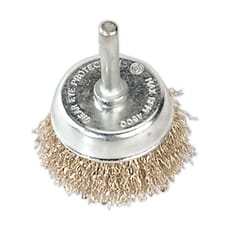
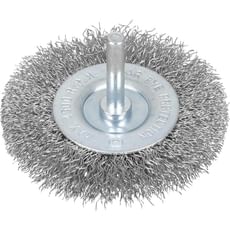
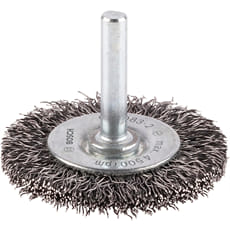
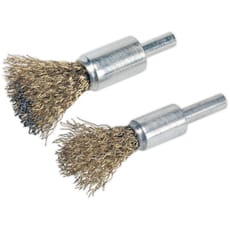
The selection at Tooled-Up.com includes two primary formats to suit different tasks and working conditions. Rotary cup brushes feature bristles arranged in a cup-shaped configuration, ideal for flat surface work and edge preparation, whilst rotary wheels (also called end brushes or pencil brushes) have bristles arranged radially around a central mandrel, making them perfect for reaching into corners, grooves, and tight spaces. Both formats are available in various wire types including steel, stainless steel, and brass, each offering different levels of aggression and suitability for specific materials.
Professional tradespeople and DIY enthusiasts rely on these tools for their ability to tackle demanding surface preparation tasks quickly and effectively. From heavy-duty industrial applications requiring aggressive rust removal to delicate finishing work on softer metals, rotary brushes provide controlled material removal that's difficult to achieve with other methods. When paired with appropriate power tools from brands like Makita, DeWalt, and Milwaukee, these brushes become indispensable for maintaining equipment, fabricating metalwork, and restoring corroded components.
Jargon Buster
- Mandrel: The cylindrical shaft or spindle that holds the brush and fits into your power tool's chuck. Most rotary brushes feature a 6mm mandrel suitable for standard drill chucks.
- Wire Gauge: The thickness of the individual wire bristles, typically measured in millimetres or standard wire gauge (SWG). Thicker wires provide more aggressive cutting action, whilst finer gauges offer gentler finishing.
- Crimped Wire: Bristles that have been given a wave or kink pattern rather than being straight. Crimped wire brushes are less aggressive than straight wire equivalents and provide better flexibility for contoured surfaces.
- Arbor Hole: The central mounting hole found in cup brushes and wheel brushes designed for bench grinders or angle grinders. Common sizes include 16mm and 22mm to match standard grinder spindles.
- Maximum RPM: The highest safe rotational speed at which a brush can operate, critical for preventing wire breakage and ensuring operator safety. Always match your tool's speed to the brush's rated maximum.
- Face Width: On cup brushes, this refers to the depth of the bristle area that contacts the workpiece, determining how aggressive the brush will cut and how quickly it reaches corners.
Who Uses Rotary Brushes?
- Welders and fabricators for preparing joints, removing slag, and cleaning welds
- Automotive mechanics and restorers for rust removal and paint stripping
- Maintenance engineers for cleaning machinery parts and removing corrosion
- Metalworkers and machinists for deburring and surface finishing
- Plumbers and pipefitters for preparing pipe ends and fittings
- Blacksmiths and metalworkers for scale removal and surface preparation
- Marine engineers for maintaining equipment in corrosive environments
- Construction workers for cleaning structural steel and metalwork
- DIY enthusiasts tackling restoration projects and metalwork tasks
- Industrial painters for surface preparation before coating application
How to Choose the Right Rotary Brushes
Brush Configuration: Select cup brushes for flat surfaces, edges, and general-purpose cleaning where you need broad surface contact. Choose wheel brushes for accessing tight spaces, internal corners, holes, and detailed work where precision matters more than coverage.
Wire Material: Steel wire brushes suit general-purpose work on ferrous metals and provide aggressive material removal. Stainless steel variants prevent contamination when working with stainless materials and resist corrosion in damp environments. Brass brushes offer gentler cleaning for softer metals like aluminium and copper without scratching.
Wire Type and Gauge: Crimped wire provides flexible action for contoured surfaces and general cleaning with reduced surface damage. Straight wire delivers more aggressive cutting for heavy rust and scale removal. Thicker gauge wires (0.30mm and above) tackle stubborn corrosion, whilst finer gauges (0.20mm) suit finishing and lighter cleaning.
Mounting Method: Brushes with integral mandrels offer convenience for portable power tools including 240v drills and cordless drivers. Arbor-mounted brushes suit bench grinders and angle grinders, requiring the correct arbor hole size for your specific tool.
Size and Diameter: Match brush diameter to your application – larger brushes (50-75mm) cover more surface area on big jobs, whilst smaller diameters (20-30mm) provide better control for detailed work and fit into restricted spaces.
Maximum Operating Speed: Always check the brush's maximum RPM rating against your tool's speed. Cordless and 240v power tools typically operate between 1,000-3,000 RPM for brushing applications, but bench grinders can exceed safe brush speeds, requiring speed reduction or specific high-speed rated brushes.
Popular Accessories
- Power drills (240v and cordless) from Bosch, Milwaukee, and Makita for driving rotary brushes
- Die grinders for precision work with smaller diameter brushes
- Bench grinders for stationary brushing operations
- Quick-change mandrels for rapid brush switching
- Wire wheel dressers for cleaning and maintaining brush bristles
- Safety goggles and face shields for essential eye protection
- Work gloves from Portwest and DeWalt for hand protection
- Rust treatment products to protect cleaned surfaces
- Degreasing solutions for pre-cleaning contaminated surfaces
Safety Information
Rotary brushes present several hazards requiring proper precautions. Always wear appropriate safety glasses or a face shield, as broken wire bristles can become airborne projectiles travelling at high velocity. The brushes available from Tooled-Up include maximum RPM ratings that must never be exceeded – operating beyond these limits risks catastrophic wire failure and potential injury.
Ensure your workpiece is securely clamped or held before starting work, as rotating brushes can catch and pull loose items. Wear protective gloves compliant with EN388 standards, but ensure they fit snugly without loose material that could catch in rotating components. Working with wire brushes generates metal particles and dust – use appropriate respiratory protection in confined spaces and ensure adequate ventilation, particularly when cleaning coated or painted surfaces that may release harmful particles.
Inspect brushes before each use for damage, excessive wear, or loose wires. Replace worn brushes before bristles wear down to the hub, as exposed mounting components pose additional hazards. Allow brushes to reach full operating speed before contacting the workpiece, and never apply excessive pressure – let the brush do the work. Always disconnect power tools from the mains or remove batteries before changing brushes.
Frequently Asked Questions
Can I use steel wire brushes on stainless steel?
This isn't recommended, as steel bristles can embed ferrous particles in stainless steel surfaces, leading to contamination and future corrosion. Always use stainless steel wire brushes when working with stainless materials to maintain their corrosion-resistant properties.
What's the difference between crimped and straight wire brushes?
Crimped wire brushes have wavy bristles that provide more flexible, less aggressive action suitable for general cleaning and contoured surfaces. Straight wire brushes offer more rigid, aggressive cutting for heavy-duty rust and scale removal but can mark softer surfaces more easily.
How do I know when to replace my rotary brush?
Replace brushes when bristles have worn down to within 3-4mm of the mounting hub, when significant numbers of wires have broken off, or when the brush no longer performs effectively. Using excessively worn brushes risks exposing the metal hub, which can damage workpieces and poses safety hazards.
Can I use rotary cup brushes in a standard hand drill?
Yes, provided the brush features a mandrel suitable for your drill chuck (typically 6mm) and your drill's speed doesn't exceed the brush's maximum RPM rating. Cordless drills and 240v models typically operate within safe speed ranges for most rotary brushes, but always verify specifications before use.
What speed should I run my rotary brush at?
Always operate below the maximum RPM marked on the brush. For most applications, moderate speeds (1,500-2,500 RPM) provide optimal results with better control and longer brush life. Higher speeds increase material removal but also accelerate wear and generate more heat and sparks.