

Rotary Burrs & Grinding
Pay in 3 interest-free payments on purchases from £30-2000 with  . Learn more.

 Loading...
End of content
Error - No more pages to load
About Rotary Burrs & Grinding
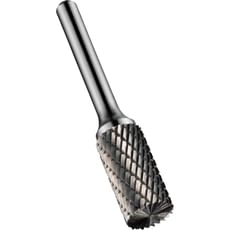
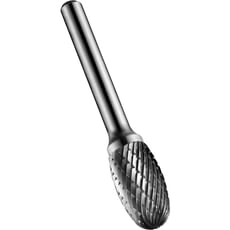
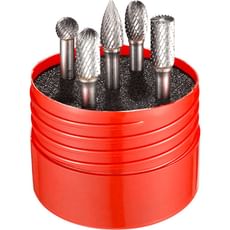
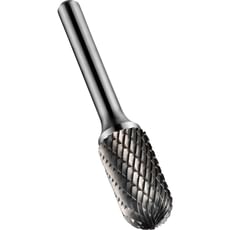
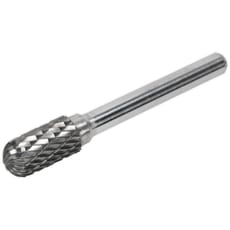
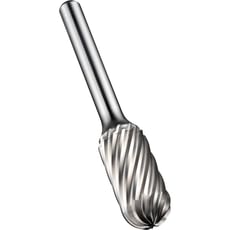
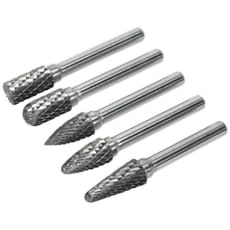
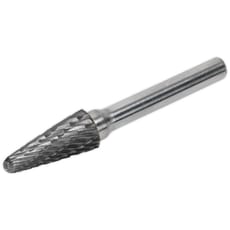
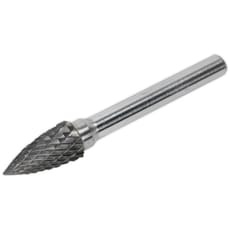
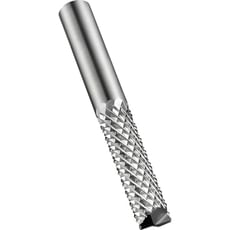
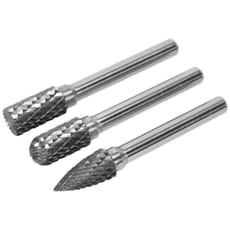
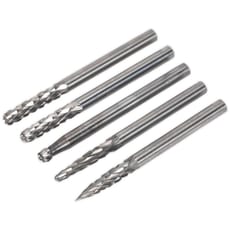
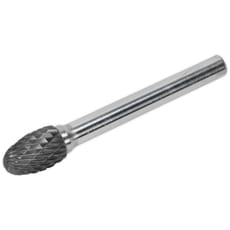
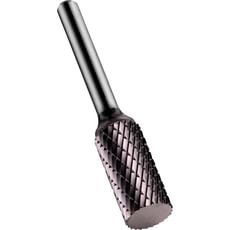
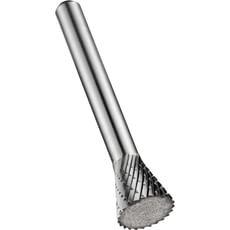
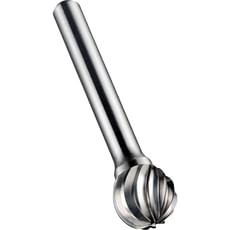
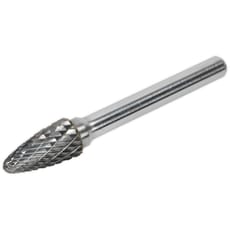
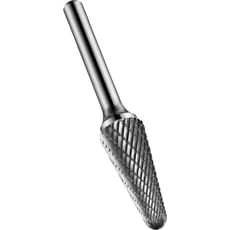
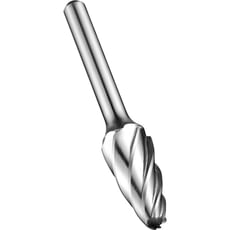
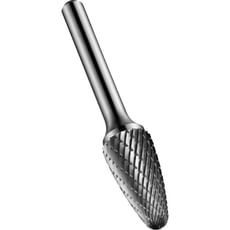
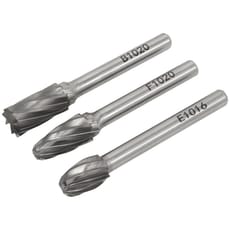
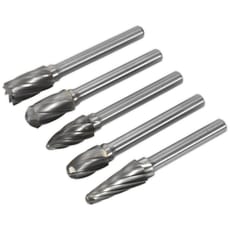
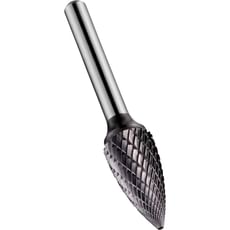
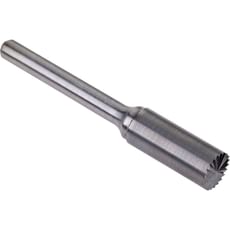
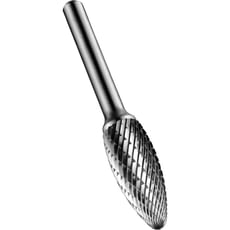
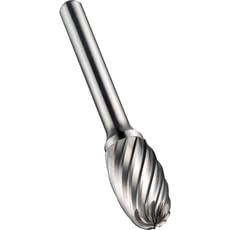
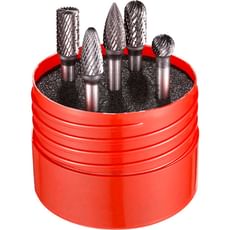
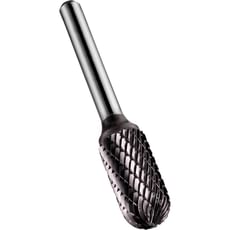
Rotary burrs are precision cutting and shaping tools designed to be used with die grinders, rotary tools, and air-powered equipment. These carbide-tipped accessories excel at material removal, deburring, surface preparation, and detailed shaping work across metal, plastic, wood, and composite materials. The comprehensive range at Tooled-Up.com features professional-grade carbide burrs in numerous profiles including cylinder, ball, cone, flame, tree, and oval shapes, each engineered for specific applications and material types.
The effectiveness of rotary burrs lies in their carbide construction and carefully designed flute patterns. Single-cut burrs with medium-spaced edges provide smooth, controlled material removal ideal for finishing work and surface grinding, whilst double-cut variations offer more aggressive stock removal for heavy-duty applications. The toughened steel shanks ensure secure fitment in standard collets whilst maintaining concentricity during high-speed rotation, preventing vibration and delivering consistent results across extended use.
Professional carbide burrs are indispensable for weld preparation, port and manifold work, mould making, die repair, and general metalworking tasks. From grinding broken bolts flush to sculpting intricate patterns in various materials, these versatile tools enable tradespeople and fabricators to achieve results that would be impossible with conventional grinding wheels or files alone.
Jargon Buster
- Carbide Burr: A rotary cutting tool with tungsten carbide cutting edges bonded to a steel shank, offering exceptional hardness and heat resistance for grinding hard materials including steel, cast iron, and hardened alloys.
- Single-Cut vs Double-Cut: Single-cut burrs feature flutes running in one direction, providing smooth finishes with less aggressive cutting action. Double-cut burrs have a crosshatch pattern delivering faster material removal but a slightly rougher finish.
- End Cut: Refers to cutting edges on the tip of the burr, allowing cutting action on both the sides and end face. Burrs "without end cut" only remove material from their sides, ideal for surface grinding without accidentally cutting too deep.
- Shank Diameter: The diameter of the cylindrical shaft that fits into the collet or chuck, with 6mm being the most common size for professional rotary tools in the UK market.
- Profile Shape: The geometry of the burr head, such as cylinder, ball, cone, flame, or tree, each optimised for different cutting angles, access requirements, and material removal patterns.
- Flute Pattern: The arrangement and spacing of cutting edges on the burr surface, determining chip clearance, surface finish quality, and cutting aggression.
Who Uses Rotary Burrs & Grinding?
- Welders and Fabricators: For weld preparation, spatter removal, and blending weld seams flush with base material
- Motor Vehicle Technicians: Porting cylinder heads, removing seized fasteners, bodywork preparation, and exhaust system modifications
- Tool and Die Makers: Precision shaping of moulds, dies, and jigs requiring intricate profiles and tight tolerances
- General Metalworkers: Deburring machined parts, edge chamfering, and surface finishing on steel and aluminium components
- Maintenance Engineers: Removing damaged threads, grinding flush broken bolts, and preparing surfaces for repair work
- Stone Masons and Sculptors: Shaping and detailing stone, concrete, and composite materials
- Jewellery Makers and Engravers: Detailed work on precious metals requiring precision control and fine finishes
- Aerospace and Engineering Workshops: High-precision metalwork on specialist alloys and materials
- DIY Enthusiasts: Home workshop projects requiring professional-quality material removal and shaping
How to Choose the Right Rotary Burrs & Grinding
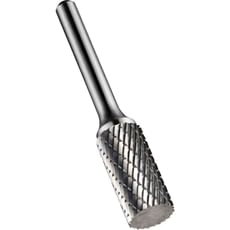
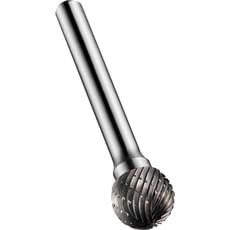
Profile Shape Selection: Match the burr profile to your application. Cylinder burrs excel at flat surface work and internal corners, ball shapes reach into concave surfaces and create radiused profiles, whilst cone and tree shapes access acute angles and V-shaped channels. Flame burrs suit contoured work, and oval profiles provide versatile general-purpose shaping.
Material Compatibility: Ensure your chosen burr suits your workpiece material. Carbide burrs available from Tooled-Up.com handle ferrous metals, stainless steel, cast iron, and hardened materials where high-speed steel alternatives would fail. Consider the material hardness when selecting cut patterns and operating speeds.
Cut Type and Finish Requirements: Single-cut burrs deliver finer finishes suitable for final surface preparation and visible areas, whilst double-cut patterns remove material more quickly for rough shaping and heavy stock removal. Medium-spaced flutes offer an excellent balance between cutting speed and finish quality for most applications.
Shank Size and Tool Compatibility: Verify your die grinder, rotary tool, or flexible shaft machine accepts the burr shank diameter. Most professional tools accommodate 6mm shanks, the UK standard for heavy-duty work, whilst smaller hobby tools may require 3mm shanks.
Size and Access Considerations: Burr head dimensions determine access to confined spaces and the speed of material removal. Larger burrs remove material faster but require more clearance, whilst smaller profiles access restricted areas and provide greater control for detailed work.
Popular Accessories
- Die Grinders: Air-powered or electric rotary tools providing the high speeds required for effective burr operation
- Flexible Shaft Attachments: Enable precise control and access to awkward angles whilst maintaining power tool positioning
- Collet Sets: Precision collets ensure secure burr retention and concentric rotation for vibration-free operation
- Safety Glasses and Face Shields: Essential eye protection against flying debris and metal particles
- Respirators and Dust Masks: Protect against metal dust and particles generated during grinding operations
- Work Holding Equipment: Vices and clamps secure workpieces for safe, controlled material removal
- Lubricants and Cutting Fluids: Extend burr life and improve cutting performance in demanding applications
- Wire Brushes: Clean material buildup from burr flutes, maintaining cutting efficiency
Safety Information
Always wear appropriate eye protection when operating rotary burrs, as high-speed grinding generates flying debris that poses serious injury risks. Safety glasses meeting EN166 standards provide minimum protection, whilst full face shields offer enhanced coverage for extended grinding sessions or particularly aggressive material removal.
Respiratory protection is essential when grinding materials that produce fine dust particles, particularly when working with metals, composites, or materials containing hazardous substances. Consult COSHH guidelines for your specific materials and ensure adequate workshop ventilation.
Never exceed the maximum rated speed marked on the burr or recommended by the manufacturer. Over-speed operation can cause carbide fracture and catastrophic tool failure. Ensure your die grinder operates within safe parameters and maintain firm, controlled grip throughout operation.
Secure workpieces properly before grinding to prevent movement that could cause tool grabbing or loss of control. Inspect burrs before each use for damage, wear, or loose carbide, replacing any compromised tools immediately. Allow rotating tools to reach full stop before setting down, and keep fingers and loose clothing well clear of rotating components.
Frequently Asked Questions
What's the difference between carbide burrs and grinding stones?
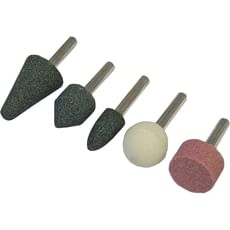
Carbide burrs feature cutting teeth that shear material away, providing faster stock removal, better control, and cleaner finishes than abrasive grinding stones. Burrs don't wear down like stones, maintaining their profile throughout their service life, making them more economical for precision work and heavy-duty applications.
What speed should I run rotary burrs at?
Operating speeds vary by burr size and material being cut. Generally, larger burrs require slower speeds (10,000-15,000 RPM) whilst smaller burrs can run faster (20,000-30,000 RPM). For steel and harder materials, use moderate speeds to prevent overheating. Always start conservatively and increase speed as needed whilst monitoring cutting performance and heat generation.
How do I extend the life of my carbide burrs?
Avoid excessive pressure—let the burr's cutting edges do the work rather than forcing the tool. Use appropriate speeds for your material, and periodically clean accumulated material from the flutes using a wire brush. For harder materials, consider using cutting fluid to reduce heat and friction. Store burrs properly to prevent damage to the cutting edges.
Can I use carbide burrs on aluminium and softer metals?
Yes, carbide burrs work excellently on aluminium, brass, copper, and other non-ferrous metals. However, these softer materials can load the flutes with swarf more quickly than steel. Use higher speeds, lighter pressure, and clean the burr frequently to maintain cutting efficiency. Some operators prefer single-cut burrs for softer materials to reduce loading.
Are rotary burrs suitable for removing rust and paint?
Whilst carbide burrs can remove rust and paint, they're generally too aggressive and expensive for this purpose. Dedicated wire wheels, abrasive wheels, or stripping discs prove more economical for coating removal. Reserve your carbide burrs for precision metal removal, shaping, and finishing tasks where their cutting performance justifies the investment.