

Rotary Drills
Pay in 3 interest-free payments on purchases from £30-2000 with  . Learn more.
 Loading...
End of content
Error - No more pages to load
About Rotary Drills
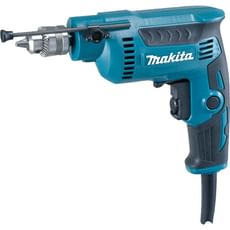
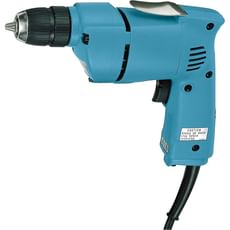
Rotary drills are specialist corded power tools engineered exclusively for rotary drilling operations in wood, metal and plastic materials. Unlike their hammer drill counterparts, these machines focus solely on rotation without any percussive action, making them unsuitable for masonry or concrete work but exceptionally precise for materials that require clean, accurate drilling. This focused approach delivers superior results in non-masonry applications, with many models offering higher rotational speeds and finer control than combination tools attempting to serve multiple purposes.
The selection at Tooled-Up.com features professional-grade rotary drills from leading manufacturers including Makita and Bosch Professional, engineered to deliver consistent performance in demanding workshop and site environments. Many rotary drills are compact, high-speed machines optimised for use with smaller drill bits, making them ideal for precision work and applications requiring finer control. Before purchasing, it's crucial to check the chuck capacity as some compact models are limited to accessories with shanks of up to 6.5mm, whilst larger professional rotary drills can accommodate standard 10mm and 13mm drill bits.
These corded tools provide continuous, reliable 240v power without the limitations of battery life, making them perfectly suited for extended drilling sessions and high-volume production work. Whether you're drilling pilot holes for fixings, boring precise openings in sheet metal, or carrying out repetitive drilling operations in a workshop setting, rotary drills offer the power, precision and durability that professional applications demand across UK trade sectors.
Jargon Buster
- Chuck Capacity
- The maximum diameter of drill bit shank that the chuck can grip, typically ranging from 6.5mm on compact models to 13mm on full-sized professional rotary drills. Always verify this specification matches your intended applications before purchasing.
- Keyless Chuck
- A chuck system that allows tool-free bit changes by hand-tightening, offering faster bit swaps compared to traditional keyed chucks that require a separate tightening key. Particularly valuable for tradespeople changing bits frequently throughout the workday.
- No-Load Speed (RPM)
- The rotational speed of the drill measured in revolutions per minute when running without load. Rotary drills often feature higher RPM ratings than hammer drills, with some models exceeding 4,000 RPM for precision work in metals and fine materials.
- Input Power (Wattage)
- The electrical power consumption of the motor, typically ranging from 450W for compact models to 850W for heavy-duty rotary drills. Higher wattage generally indicates greater drilling capacity and sustained performance under load in tougher materials.
- Electronic Speed Control
- A variable speed trigger that allows precise control of drilling speed for different materials and bit sizes, essential for preventing damage to workpieces and drill bits whilst maximising efficiency and accuracy.
- Depth Stop
- An adjustable rod or gauge that limits drilling depth for consistent, repeatable hole depths – particularly useful for production work, joinery applications and any task requiring multiple holes to identical specifications.
Who Uses Rotary Drills?
Rotary drills are essential tools for a wide range of trades and industries across the UK:
- Cabinet Makers and Joiners – for precise drilling in timber, manufactured boards and furniture assembly operations
- Metal Fabricators and Sheet Metal Workers – drilling accurate holes in steel, aluminium and other metals without hammer action damage
- Electricians (Sparkies) – creating cable entry points in enclosures and drilling fixings holes in non-masonry surfaces
- Shopfitters and Exhibition Builders – assembly work requiring clean, precise drilling for professional finishes
- Production and Manufacturing Facilities – high-volume drilling operations where continuous corded 240v power is essential
- Model Makers and Precision Engineers – detailed work requiring high-speed, accurate drilling with smaller bits
- Maintenance Engineers – general drilling tasks in industrial and commercial settings across various materials
- Serious DIY Enthusiasts – hobbyists undertaking woodworking, metalworking or model-making projects requiring professional-quality results
How to Choose the Right Rotary Drills
Chuck Capacity: Determine the maximum bit size you'll need. Compact models with 6.5mm capacity suit precision work and smaller bits, whilst 10mm or 13mm chucks offer greater versatility for standard drilling applications. If you regularly use bits above 6mm diameter, avoid the smaller capacity models to prevent limitations in your work.
Power Rating: Consider the materials and drilling frequency. Light-duty workshop use may only require 450-600W, whilst professional tradespeople working with tougher materials or larger bits should opt for 700-850W models from Makita or Bosch Professional for sustained performance throughout demanding workdays.
Speed Range: Variable speed control is essential for different materials – slower speeds for metals prevent overheating and extend bit life, whilst higher speeds suit timber and plastics. Look for electronic speed control via trigger sensitivity for the finest control across applications.
Build Quality and Ergonomics: Professional-grade tools available from Tooled-Up feature robust metal gearboxes, quality bearings and ergonomic designs that reduce fatigue during extended use. Consider weight and balance if you'll be working overhead or in confined spaces regularly.
Cable Length: UK site work often demands longer cables (typically 4-5 metres) for freedom of movement. Check the cable specification, particularly if you work in larger premises where extension leads become cumbersome and present additional trip hazards.
Brand and Warranty: Established brands like Makita and Bosch Professional offer comprehensive UK warranties, readily available service centres and proven reliability that justifies the investment for professional users requiring consistent performance.
Popular Accessories
- HSS Drill Bit Sets – high-speed steel bits for drilling metal, suitable for use at the elevated speeds rotary drills provide
- Brad Point Wood Bits – precision woodworking bits that benefit from the smooth, hammer-free rotation for clean entry and exit holes
- Step Drills – ideal for sheet metal work, creating clean holes in various diameters without bit changes
- Drill Bit Sharpeners – maintain bit performance and extend tool life, reducing consumable costs in professional environments
- Drill Stands and Guides – convert your rotary drill into a bench-mounted precision drilling station for repetitive work
- Safety Glasses and Face Shields – essential PPE from brands like Portwest for comprehensive eye protection
- Hearing Protection – ear defenders or plugs for extended drilling sessions in accordance with workplace noise regulations
- Cable Extension Reels – UK-standard 240v reels with thermal cutouts and RCD protection for safe site work
- Tool Cases and Storage – protect your investment with dedicated carrying cases from Makita MakPac or similar systems
Safety Information
Rotary drills are powerful tools that demand respect and proper safety practices in line with HSE guidelines:
Eye Protection: Always wear safety glasses or goggles meeting BS EN 166 standards. Metal swarf, wood chips and plastic fragments pose serious eye injury risks, particularly when drilling overhead or at high speeds where debris can be ejected forcefully.
Workpiece Security: Never hold small workpieces by hand whilst drilling. Use clamps, vices or a drill press to secure materials, preventing sudden rotation that can cause hand injuries. This is particularly critical when breakthrough occurs at the exit point of holes.
Electrical Safety: Inspect cables and plugs before each use. Rotary drills operate on UK mains voltage (240v) and must be earthed correctly. Consider RCD protection, particularly on building sites where cables may be damaged or moisture is present.
Chuck Key Removal: For keyed chucks, always remove the key immediately after changing bits. A chuck key left in place becomes a dangerous projectile when the drill starts, potentially causing serious injury.
Appropriate Speed Selection: Use lower speeds for metals and larger bits to prevent overheating and bit breakage. High speeds are suitable for wood and smaller diameter bits only – consult manufacturer guidelines for optimal speeds.
Loose Clothing and Jewellery: Remove watches, rings and jewellery, and secure loose clothing or long hair before operation to prevent entanglement in rotating components which can cause severe injuries.
Frequently Asked Questions
What's the difference between a rotary drill and a hammer drill?
Rotary drills provide rotation only, making them suitable for wood, metal and plastic but not masonry or concrete. Hammer drills combine rotation with a percussive hammering action, allowing them to drill into brick, concrete and stone. If you only work with non-masonry materials, a rotary drill offers precision, often higher speeds and better control at a lower cost than combination tools.
Can I use a rotary drill for concrete or masonry?
No, rotary drills lack the hammer function essential for drilling masonry materials effectively. Attempting to drill concrete or brick with a rotary drill will damage the tool, produce poor results and void warranties. For masonry work, you need either a hammer drill or an SDS rotary hammer drill designed specifically for those materials.
Why are some rotary drills limited to 6.5mm chuck capacity?
Compact rotary drills are designed for high-speed precision work with smaller bits, commonly used in electronics, model making and fine metalwork. The smaller chuck capacity keeps the tool lightweight and allows higher RPM ratings for delicate operations. For general-purpose drilling with standard bits, choose a model with 10mm or 13mm capacity available in the Tooled-Up range.
Do I need a corded drill if I already own cordless tools?
Corded rotary drills offer distinct advantages for certain applications: unlimited runtime for production work, consistent power output regardless of battery charge, lower cost per unit, and often higher maximum speeds for precision drilling. Professional workshops and tradespeople undertaking high-volume drilling frequently prefer corded tools for these proven benefits.
Which brands offer the best reliability for professional use?
Makita and Bosch Professional dominate the professional rotary drill market in the UK, both offering robust construction, comprehensive warranties and nationwide service networks. The selection focuses on these trusted manufacturers, ensuring you receive tools capable of withstanding the demands of daily professional use on UK building sites and workshops with full manufacturer support.