

Rotary Wheels

Pay in 3 interest-free payments on purchases from £20-£3000 with  . Learn more.
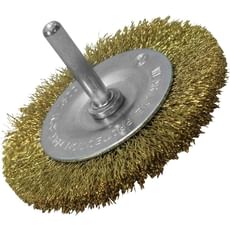
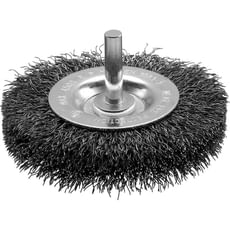
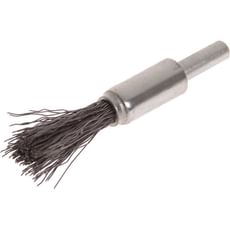
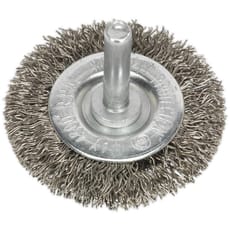
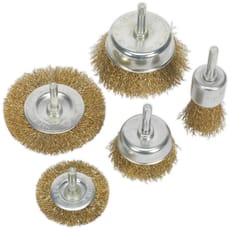
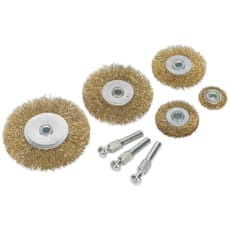
 Loading...
End of content
Error - No more pages to load
About Rotary Wheels
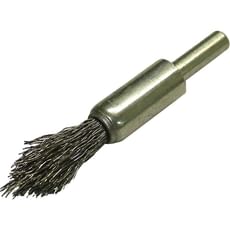
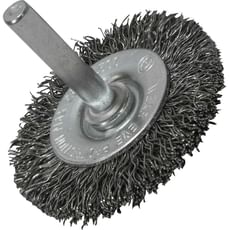
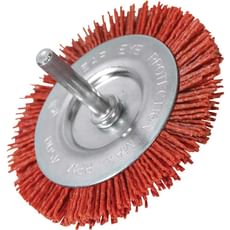
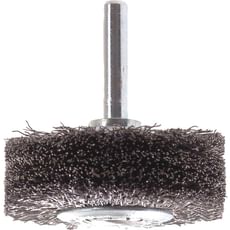
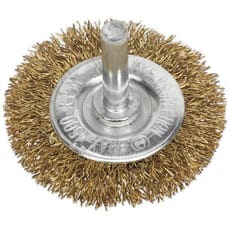
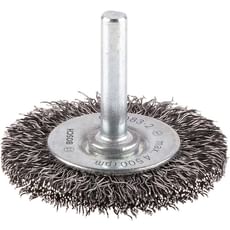
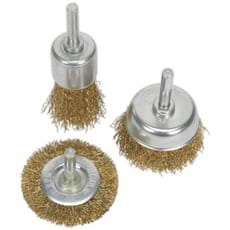
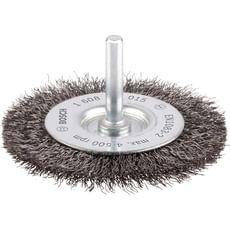
Rotary wheels are essential finishing and surface preparation attachments designed to fit rotary tools, die grinders, and drill attachments. These versatile accessories are used for cleaning, polishing, deburring, and surface conditioning across a wide range of materials including metal, wood, and plastic. Available in various constructions such as wire wheels and nylon wheels, rotary wheels deliver controlled abrasive action for both aggressive material removal and delicate finishing work.
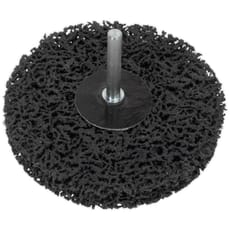
The range at Tooled-Up.com includes both wire wheels for heavy-duty cleaning and rust removal, and nylon wheels for gentler surface conditioning and polishing applications. Wire wheels feature steel, brass, or stainless steel bristles arranged in either crimped or knotted configurations, whilst nylon wheels incorporate abrasive materials bonded into synthetic fibres for consistent finishing results. Both types are available in various diameters and arbor sizes to suit different rotary tools and specific applications.
Professional tradespeople and serious DIY enthusiasts rely on rotary wheels for tasks ranging from paint and corrosion removal to weld cleaning and surface preparation before coating. When paired with appropriate rotary tools running at the correct RPM, these wheels provide efficient material removal whilst maintaining control and precision. Tooled-Up stocks rotary wheels compatible with popular brands including Makita, DeWalt, Milwaukee, Bosch, and Fein rotary tools and die grinders.
Jargon Buster
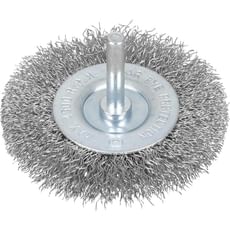
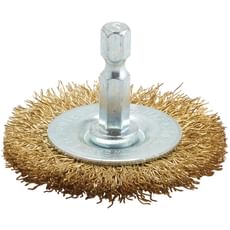
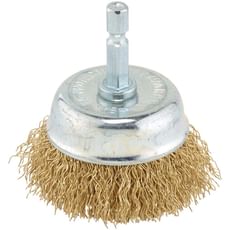
- Crimped Wire - Wire bristles that are bent or waved to provide a softer, more flexible brushing action compared to knotted wire. Ideal for lighter cleaning and surface preparation without aggressive gouging.
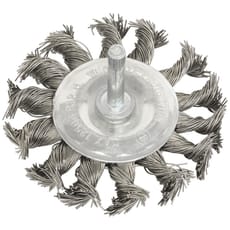
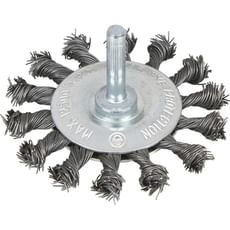
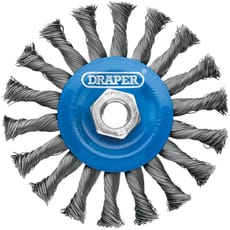
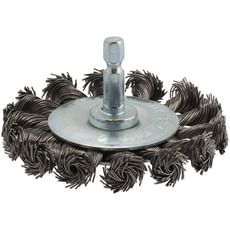
- Knotted Wire - Wire filaments twisted together in bundles to create a more aggressive cutting action. Suitable for heavy-duty rust removal, weld cleaning, and removing thick coatings.
- Arbor Size - The diameter of the centre hole or shaft that mounts the wheel to the rotary tool. Common sizes include 6mm, 1/4 inch, and 3mm mandrels for different tool types.
- Maximum RPM - The highest safe rotational speed at which a rotary wheel can operate. Exceeding this rating can cause wheel failure and presents serious safety hazards.
- Abrasive Grit - In nylon wheels, the grit number indicates the coarseness of embedded abrasive particles. Lower numbers (coarser) remove material faster, whilst higher numbers (finer) provide smoother finishing.
- Mandrel Mount - A shaft attachment that holds the rotary wheel and fits into the chuck of a rotary tool or drill. Some wheels come with integrated mandrels whilst others require separate mounting hardware.
Who Uses Rotary Wheels?
Rotary wheels are essential tools for numerous trades and applications:
- Fabricators and Welders - For cleaning welds, removing slag, and preparing metal surfaces before welding or coating
- Metal Workers - For deburring sharp edges, rust removal, and finishing metal components
- Automotive Technicians - For removing corrosion, cleaning brake components, and preparing surfaces for painting
- Maintenance Engineers - For equipment restoration, removing old coatings, and general cleaning tasks
- Woodworkers - For distressing finishes, removing paint from detailed areas, and surface texturing
- Restoration Specialists - For carefully removing corrosion and old finishes from delicate or antique items
- General Construction Workers - For site preparation, cleaning tools and equipment, and removing excess materials
- DIY Enthusiasts - For home restoration projects, tool maintenance, and general workshop tasks
How to Choose the Right Rotary Wheels
Material and Construction: Wire wheels with steel bristles suit heavy rust removal and weld cleaning, whilst brass wire wheels are ideal for softer metals where steel might cause damage. Nylon wheels impregnated with abrasive provide consistent, controlled finishing without the aggressive cutting action of wire.
Wire Configuration: Crimped wire wheels offer flexibility and lighter cleaning action, making them suitable for removing loose paint and light corrosion. Knotted wire wheels deliver aggressive material removal for heavy rust, scale, and stubborn coatings, though they're more likely to gouge softer materials.
Wheel Diameter: Smaller wheels (12-25mm) provide precision for detailed work and tight spaces, whilst larger wheels (50-75mm) cover more surface area for faster cleaning on open surfaces. Ensure your rotary tool has adequate power for larger diameter wheels.
Arbor Compatibility: Match the wheel's arbor size to your rotary tool's chuck capacity or ensure you have the correct mandrel adapter. Common sizes include 6mm shafts for standard die grinders and 1/4 inch for many rotary multi-tools.
Speed Rating: Always check the maximum RPM rating matches or exceeds your tool's operating speed. Most rotary tools and die grinders operate between 15,000-30,000 RPM, so ensure wheels are rated accordingly to prevent dangerous failures.
Application Requirements: For removing paint and coatings, coarser wire wheels work efficiently. For finishing and polishing, finer nylon wheels with appropriate grit ratings deliver better results. Consider the material being worked – aluminium and stainless steel often require stainless steel wire to prevent contamination.
Popular Accessories
- Rotary Tools and Die Grinders - 240v mains-powered or cordless battery models from Makita, DeWalt, and Milwaukee for driving rotary wheels
- Mandrels and Arbors - Replacement mounting shafts in various sizes for fitting different wheel types
- Flap Wheels - Alternative abrasive finishing wheels for smoother surface preparation
- Mounted Points - Small grinding and shaping stones for detailed work alongside rotary wheels
- Safety Glasses and Face Shields - Essential eye protection against flying debris and wire bristles
- Work Gloves - Protective gloves from DeWalt or Portwest to shield hands from sharp wires and metal fragments
- Dust Extraction Equipment - Vacuum systems to capture metal particles and debris during cleaning operations
- Rust Removers and Degreasers - Chemical treatments to complement mechanical cleaning with rotary wheels
Safety Information
Personal Protective Equipment: Always wear safety glasses or a full face shield when operating rotary wheels, as wire bristles and debris can break free at high speeds. Wear appropriate gloves to protect hands from sharp wire ends and rotating components, though ensure gloves fit snugly to prevent snagging.
Speed Limitations: Never exceed the maximum RPM rating marked on the wheel or packaging. Operating rotary wheels above their rated speed can cause catastrophic failure, resulting in flying debris and serious injury. If the wheel shows any damage or deformation, discard it immediately.
Work Environment: Ensure adequate ventilation when using rotary wheels on painted surfaces or coated materials, as grinding and cleaning can release harmful dust and particles. Remove flammable materials from the work area, as wire wheels on metal can produce sparks that may ignite combustibles.
Tool Operation: Allow the rotary tool to reach full operating speed before bringing the wheel into contact with the workpiece. Apply light to moderate pressure – excessive force can cause wire breakage, reduce effectiveness, and overload the motor. Keep the tool moving to prevent gouging and maintain control at all times.
HSE Guidelines: Follow Health and Safety Executive guidance for abrasive wheel operations and ensure compliance with COSHH regulations when working with materials that may release hazardous dust. Inspect rotary wheels before each use for damage, and always mount wheels securely according to manufacturer instructions.
Frequently Asked Questions
What's the difference between crimped and knotted wire wheels?
Crimped wire wheels feature individual wires that are bent or waved, providing a more flexible brushing action suitable for lighter cleaning, paint removal, and general surface preparation. Knotted wire wheels have wires twisted together in bundles, creating a much more aggressive cutting action ideal for heavy rust removal, weld cleaning, and removing thick coatings. Crimped wheels are less likely to gouge soft materials, whilst knotted wheels remove stubborn deposits more quickly.
Can I use rotary wheels on aluminium or stainless steel?
Yes, but it's important to use the correct wire material to prevent contamination. For aluminium and stainless steel, use stainless steel wire wheels rather than carbon steel versions. Carbon steel bristles can embed particles into softer metals, causing corrosion problems later. For aluminium, nylon abrasive wheels often provide better results without the risk of wire embedding or surface damage.
How do I know what RPM my rotary wheel can handle?
The maximum safe operating speed is marked on the wheel itself, on the packaging, or on the mandrel. This is typically expressed as maximum RPM (revolutions per minute). Check your rotary tool or die grinder's specifications to ensure its operating speed doesn't exceed the wheel's rating. Most wheels designed for handheld rotary tools are rated for speeds between 15,000-30,000 RPM.
Why do wire bristles break off during use?
Some wire breakage is normal as bristles wear during use, particularly with knotted wire wheels under heavy loads. However, excessive breakage usually indicates applying too much pressure, exceeding the maximum RPM rating, or using the wheel at an incorrect angle. Using light to moderate pressure and allowing the wheel to do the work reduces breakage and extends wheel life.
Are nylon wheels better than wire wheels for certain applications?
Nylon abrasive wheels excel at finishing operations where wire wheels would be too aggressive. They provide consistent, controlled abrasion without the risk of wire embedding or surface gouging, making them ideal for deburring, blending, and polishing operations. Wire wheels remain superior for heavy rust removal, weld cleaning, and stripping thick coatings where aggressive material removal is required. Many professionals keep both types on hand for different tasks.