

Round Files
Pay in 3 interest-free payments on purchases from £30-2000 with  . Learn more.

 Loading...
End of content
Error - No more pages to load
About Round Files
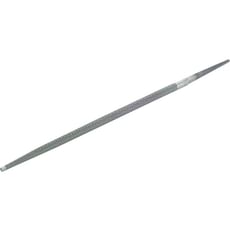
Round files are essential hand tools designed specifically for enlarging circular holes, filing curved surfaces, and shaping concave contours in metal, wood, and other materials. Featuring a cylindrical profile that tapers towards the point, these versatile files allow tradespeople and craftsmen to achieve precision results in applications where flat or half-round files simply cannot reach. The teeth on round files are arranged in either single cut or double cut patterns, with double cut providing faster material removal for general engineering work, whilst single cut delivers a finer finish for detailed tasks.
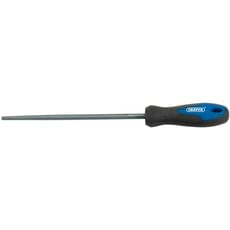
The round files available from Tooled-Up.com range from compact 4-inch models perfect for intricate work through to longer 8-inch and 10-inch variants suited to more substantial filing tasks. Professional-grade files from trusted brands including Bahco, Nicholson, and Draper feature hardened steel construction with precisely cut teeth that maintain their sharpness through extended use. Many models come supplied with ergonomic handles for improved comfort and control, though handles can also be purchased separately to fit tanged files.
Understanding the different cut grades is crucial when selecting round files for specific applications. Smooth cut files (approximately 62 teeth per 25mm) deliver fine finishes on softer metals and are ideal for final smoothing operations. Second cut files (around 36 teeth per 25mm) offer medium material removal rates and represent the most versatile choice for general engineering work. Bastard cut files provide the coarsest teeth for rapid stock removal on harder materials, making them invaluable for initial shaping work before progressing to finer grades.
Jargon Buster
- Double Cut: A tooth pattern where two sets of diagonal cuts intersect to create a crosshatch pattern, providing aggressive material removal and preventing clogging when filing softer metals.
- Single Cut: Parallel rows of teeth running diagonally across the file face, producing a smoother finish with less aggressive cutting action than double cut patterns.
- Tang: The pointed, uncut portion of the file that inserts into a separate handle. Tanged files offer flexibility to replace worn handles whilst keeping the file body in service.
- Bastard Cut: The coarsest grade of file teeth, designed for rapid material removal during initial shaping operations before switching to finer cuts for finishing work.
- Taper: The gradual reduction in diameter from the file's shoulder towards its point, allowing access into progressively smaller holes and enabling work on various curved radii with a single tool.
- Pinning: The accumulation of material particles between file teeth that reduces cutting efficiency. Regular cleaning with a file card prevents pinning and maintains optimal performance.
Who Uses Round Files?
- Mechanical Engineers - for deburring drilled holes and enlarging circular openings in metal components
- Toolmakers and Die Makers - achieving precise dimensions and smooth finishes on curved surfaces in jigs and fixtures
- Automotive Technicians - modifying brackets, enlarging mounting holes, and general metalwork repairs
- Plumbers and Heating Engineers - filing pipe ends and adjusting circular openings in sheet metal
- Jewellers and Silversmiths - shaping precious metals and creating smooth internal curves in decorative pieces
- Maintenance Fitters - general workshop filing tasks on machinery and equipment
- Fabricators and Sheet Metal Workers - finishing circular cutouts and removing sharp edges
- Model Makers - detailed shaping work on miniature components and intricate curved surfaces
- General DIY Enthusiasts - home workshop projects requiring precise filing of curved surfaces
How to Choose the Right Round Files
Selecting the appropriate round file begins with considering the diameter of the workpiece. The file diameter should be slightly smaller than the hole or curve being worked, allowing the cutting teeth to make proper contact without binding. Tooled-Up stocks round files ranging from slim 4-inch models for delicate work through to robust 10-inch files for larger applications, ensuring you can match the tool precisely to your requirements.
Cut grade selection depends on the material being filed and the desired finish. For aluminium and other soft non-ferrous metals, a second cut or smooth cut prevents excessive material removal and clogging. When working with hardened steel or cast iron, a bastard cut provides the aggressive tooth pattern needed to cut efficiently through tough materials. Consider purchasing multiple grades to cover rough shaping through to final finishing in a single project.
Handle configuration affects both comfort and control during extended filing sessions. Files with moulded ergonomic handles like the Bahco ERGO range reduce hand fatigue and provide superior grip compared to traditional wooden handles. However, tanged files without handles offer flexibility for professional tradespeople who prefer fitting their own handles or need to replace worn grips whilst retaining the file body.
Brand selection matters when considering longevity and performance. Professional-grade files from manufacturers such as Bahco, Nicholson, and Sealey feature superior steel quality and precise tooth geometry that maintains cutting efficiency far longer than economy alternatives. For tradespeople using files daily, investing in quality tools from established brands delivers better value through extended service life and consistent results.
Popular Accessories
- File Handles - ergonomic wooden or composite handles for tanged files, available in various sizes to fit different tang dimensions
- File Cards - wire brush tools specifically designed for cleaning file teeth and preventing pinning during use
- File Storage Racks - wall-mounted or drawer organisers that protect file teeth from damage and keep your workshop tidy
- Chalk or File Powder - applied to teeth before filing soft metals like aluminium to prevent clogging and extend cutting life
- Engineers' Vices - secure workholding essential for safe and accurate filing operations on metal components
- Safety Glasses - eye protection against metal particles dislodged during filing work
- File Cleaning Brushes - complementary to file cards for maintaining clean, efficient cutting teeth
Safety Information
Always ensure round files are fitted with securely attached handles before use. Filing without a proper handle risks the tang penetrating your palm if the file catches or slips, potentially causing serious injury. Inspect handles regularly for cracks or looseness, replacing them immediately if any deterioration is evident.
Secure workpieces firmly in a vice or clamp before filing. Never hold small components by hand whilst filing, as slippage can result in cuts from sharp edges or file teeth. Position your work at a comfortable height to maintain proper posture and control throughout the filing operation.
Wear appropriate PPE including safety glasses to protect against metal particles, and consider gloves when handling sharp workpieces. However, avoid wearing loose gloves that might catch on rotating machinery if working near lathes or mills. Keep your work area well-lit and maintain a stable stance with both feet planted firmly on the floor.
Never use files as pry bars, hammers, or for any purpose other than their intended function. The hardened steel can shatter under impact or excessive bending forces, creating dangerous flying fragments. Store files separately to prevent teeth damage from contact with other tools, which also reduces cutting efficiency and creates safety hazards from dulled, slipping tools.
Frequently Asked Questions
What's the difference between fully pointed and semi-pointed round files?
Fully pointed round files (typically 4-inch and 6-inch lengths) taper to a fine point, making them ideal for working in tight spaces and filing small-diameter holes. Semi-pointed files (usually 8-inch and longer) have a more gradual taper with a blunter tip, providing greater strength for heavier filing work whilst still accessing moderately sized openings. Choose fully pointed files for delicate work and semi-pointed for general engineering tasks.
Can I use round files on wood as well as metal?
Whilst round files are primarily designed for metalworking, they can be used on hardwoods for shaping curved surfaces. However, wood fibres tend to clog the teeth more quickly than metal swarf. For predominantly woodworking applications, dedicated wood rasps with coarser, more widely spaced teeth deliver better results and resist clogging more effectively. If using metal files on wood, clean the teeth frequently with a file card.
How do I prevent my round files from clogging when filing aluminium?
Aluminium's softness makes it prone to clogging file teeth. Apply chalk or specialist file powder to the teeth before starting work to reduce adhesion. Use a second cut or smooth cut file rather than coarse grades, as finer teeth are less susceptible to clogging. File in a consistent forward motion with moderate pressure, cleaning the teeth regularly with a file card. Some professionals also apply a light coating of paraffin or WD-40 to particularly problematic aluminium alloys.
Should I apply pressure on both the forward and backward stroke?
Apply firm, even pressure only on the forward stroke when the file teeth are cutting into the material. Lift the file slightly or apply minimal pressure on the return stroke to prevent dulling the teeth prematurely. This technique extends file life significantly and produces better surface finishes. Maintain a steady rhythm with deliberate, controlled strokes rather than rapid, forceful movements.
How do I know when a round file needs replacing?
A file requires replacement when it stops cutting efficiently despite being clean and properly used. Signs include glazing (shiny, worn teeth), visible tooth damage, or the file skating across the surface rather than biting. Professional tradespeople often replace files before complete wear to maintain productivity, whilst DIY users can continue using slightly worn files for less critical work. Deep scratches or chips in the file body also indicate replacement is necessary to avoid poor surface finishes.