

Routing Accessories

Pay in 3 interest-free payments on purchases from £20-£3000 with  . Learn more.
 Loading...
End of content
Error - No more pages to load
About Routing Accessories
Routing accessories are essential components that expand the capabilities of rotary tools and routers, enabling precise shaping, decorative detailing, and joinery work in wood and soft materials. These specialised bits and attachments transform standard rotary tools into versatile routing systems, allowing tradespeople and DIY enthusiasts to achieve professional-quality results across a wide range of applications. From creating decorative edges and rounded corners to cutting grooves and keyhole slots, routing accessories provide the precision control needed for detailed woodworking projects.
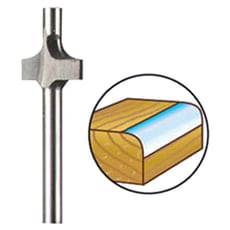
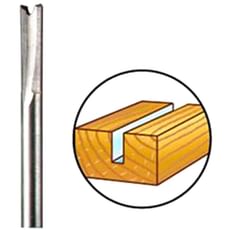
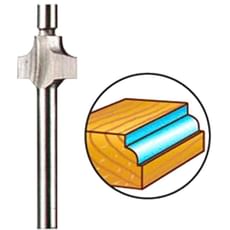
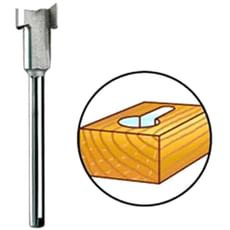
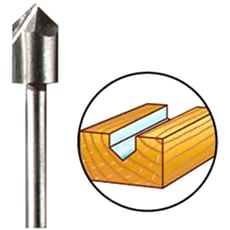
The range available at Tooled-Up.com includes various router bit profiles designed for specific routing tasks. Piloted beading bits create elegant decorative edges, whilst corner rounding bits soften sharp edges for a refined finish. V-groove bits are ideal for engraving and sign-making, straight bits excel at mortising and dado work, and keyhole bits enable secure wall-mounting solutions. These accessories are designed to work seamlessly with rotary tool router attachments and shaper/router tables, providing the stability and control required for accurate routing operations.
Quality routing accessories feature precision-ground cutting edges and durable construction to withstand repeated use. The standard 3.2mm shank diameter ensures compatibility with popular rotary tool systems, whilst the variety of working diameters and cutting profiles available means there's a suitable bit for virtually any routing application. Whether you're working on furniture restoration, creating custom joinery, or adding decorative details to woodworking projects, the right routing accessories make all the difference to the finished result.
Jargon Buster
- Piloted Bit: A router bit featuring a ball-bearing guide that runs along the edge of the workpiece, controlling the depth of cut and ensuring consistent results without the need for a fence or template.
- Shank Diameter: The diameter of the smooth cylindrical portion of the bit that fits into the collet or chuck of the rotary tool. Common sizes include 3.2mm for compact rotary tools and 6mm or 8mm for larger routers.
- Working Diameter: The maximum width of the cutting profile on a router bit, which determines the size of the cut, groove, or decorative detail produced during routing operations.
- Plunge Routing: A technique where the router bit is lowered vertically into the workpiece whilst the tool is running, used for creating mortises, grooves, and decorative inlays that don't start from an edge.
- Profile Bit: A router bit designed to cut a specific decorative or functional shape, such as beading, cove, chamfer, or ogee profiles, typically used for edge detailing and trim work.
- Mortising: The process of cutting a rectangular cavity in wood, commonly used for creating joints that receive tenons, hinges, or lock mechanisms.
Who Uses Routing Accessories?
- Carpenters and Joiners: For creating joints, grooves, and decorative edges on furniture, doors, and fitted cabinetry
- Cabinet Makers: Producing precise edge profiles, inlays, and decorative details on bespoke furniture and kitchen units
- Shop Fitters: Installing keyhole slots for secure wall mounting of displays and creating custom trim details
- Restoration Specialists: Replicating period mouldings and decorative features on heritage woodwork and antique furniture
- Furniture Makers: Crafting professional-quality edge treatments, rounded corners, and decorative detailing on custom pieces
- Signmakers: Engraving V-grooves for lettering and creating routed graphics in wood and composite materials
- DIY Enthusiasts: Enhancing home improvement projects with professional-looking decorative edges and custom routing work
- Model Makers: Creating intricate details and precise grooves in scale models and architectural mock-ups
How to Choose the Right Routing Accessories
Selecting appropriate routing accessories begins with identifying the specific task you need to accomplish. Consider whether you require decorative edge treatments, which call for profile bits like beading or corner rounding bits, or functional cuts such as grooves and mortises that need straight or V-groove bits. The material you'll be working with also influences your choice – accessories designed for wood and soft materials have different cutting geometries to those intended for harder substrates.
Compatibility with your existing rotary tool system is crucial. Check the shank diameter required by your router attachment or shaper table – most compact systems use 3.2mm shanks, whilst larger routers typically accommodate 6mm or 8mm shanks. Verify that the working diameter of the bit is suitable for your intended application, as oversized bits can overload smaller rotary tools and may require multiple passes or a more powerful tool.
For piloted bits, consider whether a bearing guide is necessary for your application. Piloted bits excel at edge work where the bearing can follow the workpiece contour, maintaining consistent depth without additional guidance. Non-piloted bits offer more versatility for template work and internal routing but require a fence or guide system for accurate results. The extensive selection at Tooled-Up includes both types to suit different routing scenarios.
Build quality and material composition directly affect performance and longevity. Look for bits with precision-ground cutting edges that maintain sharpness through extended use. Set options provide excellent value for money if you regularly undertake varied routing tasks, offering multiple profiles in a single package. Consider purchasing complementary bits that cover the range of profiles you're likely to need rather than buying individual bits as requirements arise.
Popular Accessories
- Router Attachments: Dedicated router bases that convert rotary tools into precision routing systems with depth adjustment and stable support
- Shaper/Router Tables: Bench-mounted platforms providing enhanced control and stability for routing operations, particularly useful for edge work
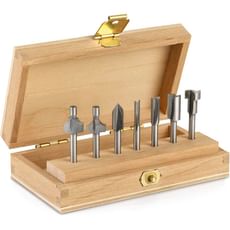
- Router Bit Sets: Comprehensive collections of multiple bit profiles covering common routing applications in a single convenient package
- Collet Sets: Additional collets enabling different shank diameter bits to be used with the same tool
- Edge Guides: Adjustable guides that run along the workpiece edge, ensuring straight cuts parallel to the edge
- Template Guides: Bushings that follow template patterns for reproducing identical shapes and inlays
- Dust Extraction Adaptors: Connecting rotary tools to workshop vacuum systems for cleaner, healthier working conditions
- Bit Storage Cases: Organised storage solutions protecting router bits from damage and keeping profiles readily identifiable
Safety Information
Routing operations generate significant forces and high rotational speeds, making proper safety precautions essential. Always wear approved safety glasses or a full face shield to protect against flying debris and wood chips. Hearing protection is strongly recommended, as rotary tools operating at high speeds produce noise levels that can cause hearing damage during prolonged use. Dust masks or respirators should be worn when routing creates fine wood dust, which poses respiratory hazards – particularly when working with MDF or treated timber.
Ensure router bits are securely tightened in the collet before starting work, and check that accessories are rated for the maximum speed of your rotary tool. Never exceed the manufacturer's recommended speed ratings, as this can cause bit failure with potentially serious consequences. Always allow bits to reach full operating speed before contacting the workpiece, and feed the tool in the correct direction – generally moving against the rotation of the bit to maintain control.
Keep hands well clear of rotating bits, and always position workpieces securely using clamps or a vice rather than attempting to hold material by hand. Disconnect the tool from the 240v mains supply before changing bits or making adjustments. Inspect router bits before each use for signs of damage, wear, or loose components, and replace any accessories showing deterioration. Following HSE guidelines for power tool use and maintaining a tidy workspace free from trip hazards ensures safer routing operations.
Frequently Asked Questions
Can I use router bits designed for full-size routers in my rotary tool?
No – rotary tool router bits have smaller shank diameters (typically 3.2mm) and are designed for the higher speeds of compact rotary tools. Full-size router bits have larger shanks (6mm, 8mm, or 1/4" and 1/2" imperial sizes) and are designed for lower RPM ranges. Always use accessories specifically designed for your tool type to ensure safe operation and optimal results.
Do I need a router attachment to use router bits with my rotary tool?
Yes – a dedicated router attachment or shaper/router table is essential for safe, accurate routing work. These accessories provide the depth adjustment, stability, and control necessary for precision routing operations. Attempting to use router bits without proper support compromises both safety and result quality.
How do I know which direction to feed the workpiece when routing?
Feed direction depends on whether you're using a handheld tool or router table. With handheld routing, move the tool from left to right when facing the edge (against the bit rotation). On a router table, feed the workpiece from right to left (also against bit rotation). This "climb cutting" prevention ensures the tool doesn't grab and pull the workpiece, maintaining control throughout the operation.
How long do router bits typically last before needing replacement?
Lifespan varies depending on usage frequency, materials routed, and maintenance practices. With proper care – including regular cleaning, appropriate feed rates, and working within speed specifications – quality router bits can last through numerous projects. Signs that replacement is needed include burning, rough cut quality, increased effort required, or visible damage to cutting edges.
Can routing accessories be used on materials other than wood?
Router bits designed for wood and soft materials can also work on certain plastics, composites, and laminate materials. However, they're not suitable for metals, ceramics, glass, or masonry, which require specially designed cutting accessories. Always verify material compatibility before routing to avoid damaging both the bit and workpiece.