

Rust Remover

Pay in 3 interest-free payments on purchases from £20-£3000 with  . Learn more.
 Loading...
End of content
Error - No more pages to load
About Rust Remover
Rust remover products are essential chemical treatments designed to eliminate corrosion from metal surfaces, restoring them to a sound, workable condition. Whether dealing with surface rust on tools, structural metalwork, automotive components, or garden equipment, the right rust remover can transform damaged, oxidised metal into a clean surface ready for further treatment or protection. These products work through various chemical processes, with some converting rust into a stable compound whilst others dissolve and remove it entirely.
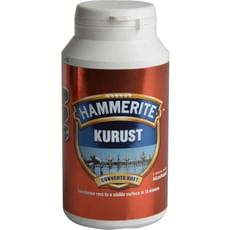
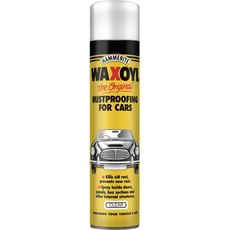
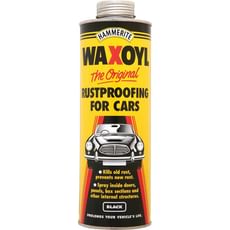
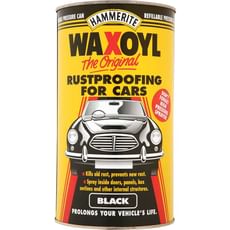
The range available at Tooled-Up.com includes specialist rust converters like Hammerite Kurust, which chemically transforms iron oxide into stable iron complexes, and traditional rust removers that strip corrosion away completely. Some products combine rust removal with protective properties, such as Hammerite Waxoyl formulations that not only tackle existing rust but also provide a protective barrier against future corrosion. Available in various formats including aerosols, concentrated liquids, and ready-to-use solutions, these treatments cater to different application methods and project scales.
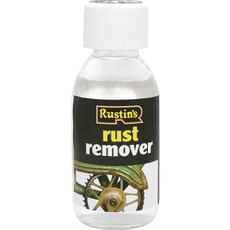
Professional-grade rust removers from brands like Hammerite, Rustins, and Sealey offer reliable performance for both trade professionals and serious DIY enthusiasts. Many modern formulations are water-based for improved safety and environmental considerations, whilst still delivering powerful rust-removing action. Application methods vary from simple brush-on treatments for small areas to spray applications for larger surfaces, with some products requiring no rinsing and allowing top coats to be applied within hours of treatment.
Jargon Buster
- Rust Converter: A chemical treatment that transforms rust (iron oxide) into a stable, inert compound rather than removing it. The converted rust typically forms a protective layer that can be painted over, often turning blue-black during the conversion process.
- Iron Oxide: The chemical compound formed when iron reacts with oxygen and moisture, commonly known as rust. This reddish-brown corrosion weakens metal and spreads if left untreated.
- Chelating Agent: A chemical compound used in rust removers that binds to metal ions, effectively dissolving rust without damaging the underlying sound metal. Often found in gel-based removers.
- Phosphoric Acid: A common active ingredient in rust treatments that both dissolves rust and provides a degree of corrosion protection through phosphate coating formation on treated surfaces.
- Flash Rust: The rapid re-rusting that can occur on freshly cleaned metal surfaces when exposed to moisture before protective coatings are applied. Quality rust removers help prevent this phenomenon.
- Waxoyl Treatment: A combined rust removal and protection system using waxy compounds that penetrate existing rust whilst providing long-lasting moisture barriers to prevent future corrosion.
Who Uses Rust Remover?
- Automotive mechanics and restorers treating body panels, chassis components, and underseals
- Agricultural engineers and farmers maintaining machinery, gates, and farm equipment exposed to harsh outdoor conditions
- Marine engineers and boat owners combating salt-water corrosion on vessels and marine equipment
- Fabricators and welders preparing metalwork and removing surface corrosion before welding or finishing
- Maintenance engineers in industrial settings treating plant machinery, pipework, and structural steelwork
- Builders and construction workers addressing rust on scaffolding, reinforcement bars, and metal fixtures
- Landscape gardeners and groundskeepers maintaining metal gates, railings, and garden equipment
- Property maintenance professionals treating exterior metalwork, guttering, and drainage systems
- DIY enthusiasts and homeowners restoring tools, garden furniture, and household metal items
- Classic car enthusiasts and hobbyists undertaking restoration projects and preventative maintenance
How to Choose the Right Rust Remover
Extent of Rust Damage: For light surface rust and small areas such as stone chips and scratches, fast-acting converters like Hammerite Kurust offer quick results in approximately 15 minutes. Heavy, flaking rust typically requires more aggressive removers or mechanical preparation before chemical treatment.
Application Method: Consider how you'll apply the product. Aerosol formulations provide excellent coverage for awkward areas and cavities, brush-on liquids suit controlled application on flat surfaces, whilst concentrated products offer economy for large-scale projects when diluted according to manufacturer specifications.
Substrate Type: Ensure the rust remover is suitable for your specific metal type. Most products work effectively on ferrous metals (iron and steel), but some may not be appropriate for aluminium, galvanised surfaces, or other non-ferrous metals.
Preparation Requirements: Some rust removers require thorough rinsing after application, whilst others like certain converter products need no rinsing at all. Consider your access to water and the practicality of washing down the treated area when making your selection.
Overcoating Time: If you need to apply primer, paint, or protective coatings afterwards, check the overcoating time. Products available from Tooled-Up.com range from those accepting top coats after just three hours to others requiring longer curing periods.
Additional Protection: Some rust removers incorporate protective properties, combining treatment with prevention. Waxoyl-type products provide ongoing moisture barriers, making them ideal for automotive underseals and areas prone to continued exposure to corrosive conditions.
Environmental and Safety Considerations: Water-based formulations generally offer improved safety profiles with lower VOC emissions compared to solvent-based alternatives, an important consideration for indoor use or confined spaces subject to COSHH regulations.
Popular Accessories
- Wire brushes and abrasive pads for removing loose rust and preparing surfaces before treatment
- Chemical-resistant gloves providing hand protection during application and handling
- Paintbrushes and applicators in various sizes for controlled product application
- Spray guns and pressure applicators for large-scale rust treatment projects
- Masking tape and sheeting protecting surrounding areas from overspray or splashes
- Metal primers and undercoats for application over treated surfaces before final finishing
- Protective topcoats and paints including Hammerite direct-to-rust finishes
- Safety goggles and face shields protecting eyes from chemical splashes
- Degreasing agents and cleaners preparing contaminated surfaces before rust treatment
- Sandpaper and abrasive sheets for final surface preparation and keying between coats
Safety Information
Rust removers contain active chemicals that require careful handling and appropriate personal protective equipment. Always wear chemical-resistant gloves and safety goggles when applying these products to prevent skin contact and eye exposure. Work in well-ventilated areas, particularly when using aerosol formulations or solvent-based products, to avoid inhaling fumes or vapours.
Consult product safety data sheets and adhere to COSHH guidelines when using rust removers in professional or workplace settings. Many rust treatments contain acids or chelating agents that can cause skin irritation or burns with prolonged contact. If skin contact occurs, wash immediately with plenty of water. In case of eye contact, rinse continuously with water and seek medical attention.
Store rust remover products in their original containers in cool, dry locations away from heat sources and incompatible materials. Keep containers tightly sealed when not in use and ensure they're stored out of reach of children and pets. Dispose of empty containers and unused products according to local authority regulations for chemical waste – never pour rust removers down drains or into watercourses.
When working on automotive components or enclosed structures, ensure adequate ventilation and consider respiratory protection if working in confined spaces. Allow treated surfaces to fully cure before handling, and avoid smoking or eating whilst working with these products to prevent accidental ingestion.
Frequently Asked Questions
Do I need to remove all rust before applying rust remover?
Loose, flaking rust should be removed with a wire brush or abrasive, but rust converters work directly on remaining surface rust. Complete removal isn't always necessary – products like Hammerite Kurust are designed to convert rust in situ, transforming it into a stable surface without requiring perfect bare metal preparation.
How long does rust remover take to work?
Treatment times vary by product and rust severity. Fast-acting converters can transform rust in as little as 15 minutes, whilst deeper corrosion may require longer contact times or multiple applications. Most products indicate when treatment is complete through colour changes, typically turning blue-black as the conversion process occurs.
Can I paint directly over treated rust?
This depends on the product type. Rust converters like Kurust create a paintable surface that accepts topcoats after the specified curing time, often just three hours. Traditional rust removers that strip corrosion away typically require separate priming before painting. Always check manufacturer recommendations for the specific product you're using.
Will rust remover damage surrounding paintwork?
Quality rust removers are formulated to work on corroded metal without aggressively attacking sound paint, but accidental overspray or splashes should be wiped away promptly. For precision work around painted areas, use masking tape and consider brush-on applications rather than aerosols to maintain control.
How can I prevent rust returning after treatment?
After removing or converting rust, apply appropriate protective coatings to prevent moisture and oxygen reaching the metal surface. Options include primers followed by topcoats, direct-to-metal paints, or specialist products like Waxoyl that combine rust treatment with long-lasting moisture barriers. Regular inspection and maintenance of treated areas helps catch any new corrosion early before it becomes problematic.