

Sabre & Reciprocating Saw Blades
Pay in 3 interest-free payments on purchases from £30-2000 with  . Learn more.
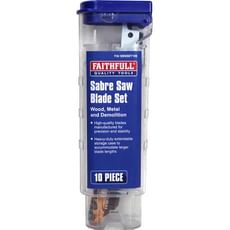
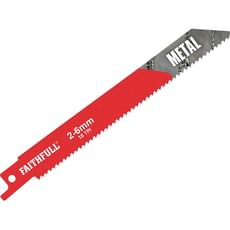
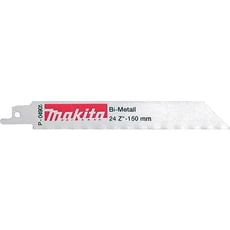
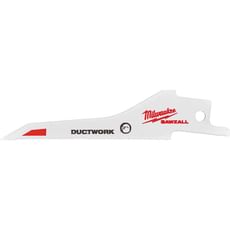
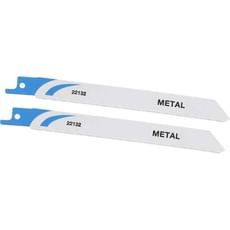
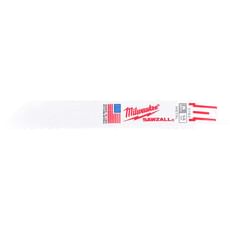
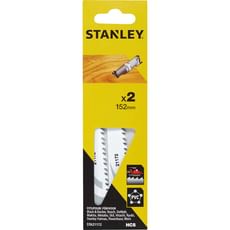
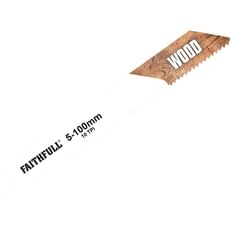
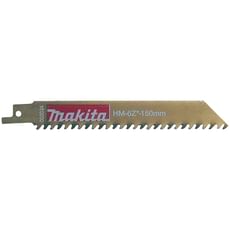
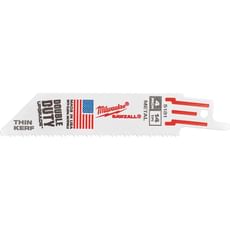
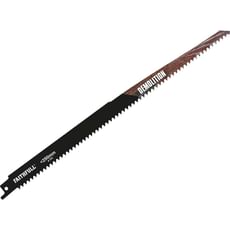
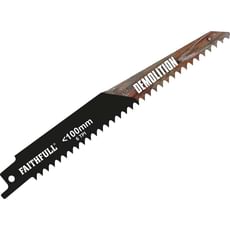
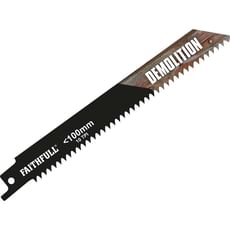
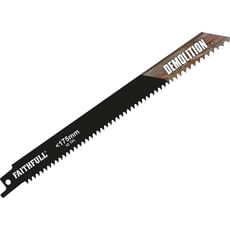
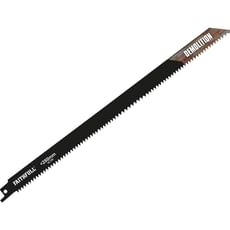

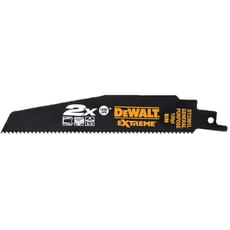
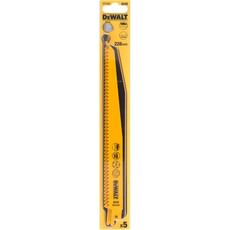
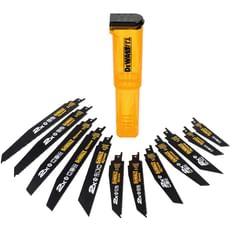
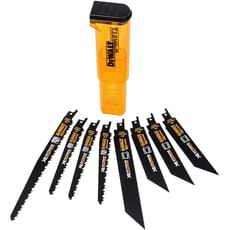
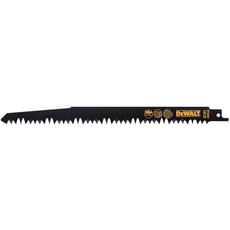
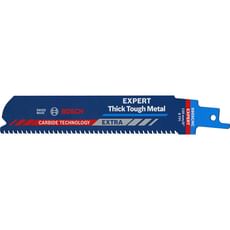
Bosch Expert S955CHC Thick Tough Metal Cutting Reciprocating Sabre Saw Blades
available
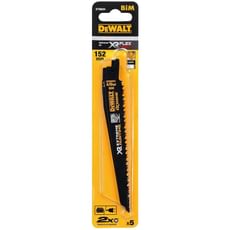
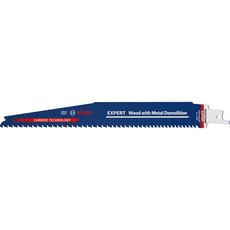
Bosch Expert S1167XHM Tough Metal Embedded Wood Reciprocating Sabre Saw Blades
available
 Loading...
End of content
Error - No more pages to load
About Sabre & Reciprocating Saw Blades
Sabre and reciprocating saw blades are essential consumables for any tradesperson or DIY enthusiast working with power saws. These versatile cutting accessories use a push-and-pull motion to cut through a wide range of materials including wood, metal, plastics, and composite materials. Available in various lengths, tooth configurations, and blade materials, reciprocating saw blades are designed for specific applications from demolition work and pipe cutting to precise pruning and flush cutting.
The selection at Tooled-Up.com includes premium bi-metal blades that combine flexibility with cutting durability, high-carbon steel (HCS) blades for wood applications, and carbide-tipped variants for the most demanding cutting tasks. Leading manufacturers such as Bosch Professional, Bahco, and other trusted brands engineer their blades with specialised tooth geometries and coatings to maximise cutting performance and blade longevity. Whether you're working on site demolition, plumbing installations, or general construction tasks, choosing the correct blade specification ensures efficient cutting, reduced vibration, and extended tool life.
Professional-grade reciprocating saw blades feature universal shank designs that fit most major reciprocating and sabre saw models. Multi-material blade sets provide excellent value for tradespeople who regularly switch between different cutting applications, whilst specialist blades tackle specific challenges such as cutting through nail-embedded wood, aerated concrete blocks, or thick metal sections up to 10mm.
Jargon Buster
- TPI (Teeth Per Inch): The number of teeth along one inch of the blade. Lower TPI (4-8) provides faster, rougher cuts ideal for wood and demolition work, whilst higher TPI (14-24) delivers smoother, more precise cuts suited to metal and plastic.
- Bi-Metal Blades: Constructed from two different metals—typically a high-speed steel (HSS) cutting edge welded to a flexible spring steel body. This combination provides excellent durability and resistance to breakage, making bi-metal blades suitable for cutting both wood and metal.
- HCS (High Carbon Steel): Flexible blade material ideal for cutting wood, chipboard, and plastic. HCS blades are cost-effective but not suitable for cutting metal or abrasive materials.
- Carbide-Tipped Blades: Feature carbide teeth brazed onto the blade body, offering exceptional durability when cutting highly abrasive materials such as cast iron, fibreglass, brick, and nail-embedded timber.
- Set Angle: The degree to which teeth are bent outwards from the blade body. Greater set angles create wider kerfs (cutting channels) that reduce binding and heat build-up during cutting.
- Stroke Length Compatibility: Reciprocating saw blades must be long enough to extend beyond the material being cut whilst accommodating the saw's stroke length (typically 28-32mm). Blade lengths commonly range from 100mm for precise work up to 300mm for deep cutting applications.
Who Uses Sabre & Reciprocating Saw Blades?
- Demolition Contractors: For stripping out fixtures, cutting through mixed materials, and general teardown work
- Plumbers and Heating Engineers: Cutting copper, plastic, and steel pipes in confined spaces
- Electricians: Creating access holes, cutting cable tray, and trimming materials during installation work
- Carpenters and Joiners: Rough cutting timber, flush cutting door frames, and trimming components
- Scaffolders: Cutting scaffold tubes, adjusting metalwork, and modification work on site
- Maintenance Engineers: Repair work, cutting fixings, and accessing hard-to-reach components
- Landscapers and Tree Surgeons: Pruning branches, cutting roots, and general garden construction tasks
- Automotive and Metal Fabricators: Cutting exhaust systems, bodywork panels, and metal sections
- DIY Enthusiasts: Home renovation projects, garden maintenance, and general cutting tasks
How to Choose the Right Sabre & Reciprocating Saw Blades
Material Being Cut: This is the primary consideration. Wood-cutting blades typically feature HCS construction with 4-8 TPI for fast cutting. Metal-cutting applications require bi-metal blades with 14-24 TPI for smoother cuts and extended blade life. For mixed materials or demolition work where you might encounter nails, screws, or various substrates, choose bi-metal or carbide-tipped blades designed for multi-material cutting.
Blade Length: Select blade length based on the maximum depth of cut required. Common lengths include 100-150mm for general work, 200-230mm for standard construction tasks, and 300mm for deep cuts through thick timbers or large diameter pipes. Ensure the blade extends at least 75mm beyond the material depth to maintain cutting efficiency.
Tooth Configuration: Coarse teeth (4-8 TPI) remove material quickly but leave rougher edges—ideal for demolition and rough carpentry. Medium teeth (8-14 TPI) balance speed with finish quality for general-purpose cutting. Fine teeth (14-24 TPI) produce smooth cuts in metal, plastic, and thin materials but cut more slowly.
Blade Material Quality: Professional tradespeople should invest in premium bi-metal or carbide-tipped blades from manufacturers like Bosch Professional or Bahco, available from Tooled-Up. These offer significantly longer working life and maintain cutting performance throughout demanding applications. Budget HCS blades suit occasional DIY use in softwoods and non-abrasive materials.
Special Features: Consider blades with progressive tooth spacing for reduced vibration, plunge-tip designs for starting cuts without pre-drilling, or extra-thick bodies (1.25-1.8mm) for straighter cuts in demanding applications. Coating technologies such as PTFE reduce friction and heat build-up during extended cutting sessions.
Set or Multi-Packs: Multi-blade sets provide excellent value and ensure you have appropriate blades for different materials. Tooled-Up.com stocks comprehensive sets from leading brands containing assorted lengths and tooth configurations for versatile cutting capability.
Popular Accessories
- Reciprocating Saw Blade Storage Cases: Keep blades organised, protected, and readily accessible on site
- Cutting Lubricants and Coolants: Extend blade life and improve cut quality when working with metals
- Safety Glasses and Face Shields: Essential PPE protection from flying debris during cutting operations
- Work Gloves: Cut-resistant gloves protect hands when handling materials and changing hot blades
- Reciprocating Saw Accessories: Depth stops, guide attachments, and anti-vibration handles for improved control
- Blade Easy-Fit Systems: Quick-change handles and adaptors for faster blade changes without tools
- Marking and Measuring Tools: Ensure accurate cut placement and reduce material waste
- Extraction Attachments: Dust and debris collection systems for cleaner working environments
Safety Information
Always disconnect reciprocating saws from 240v mains power or remove batteries before changing blades. Inspect blades before use for cracks, missing teeth, or damage—never use compromised blades as they may shatter during operation. Wear appropriate PPE including safety glasses, hearing protection, sturdy gloves, and dust masks when cutting materials that generate fine particles.
Ensure materials are properly secured before cutting and maintain firm control of the saw throughout operation. Be aware that blades become extremely hot during use—allow adequate cooling time before handling or storing. When cutting metal, check for hidden electrical cables, gas pipes, or water lines using appropriate detection equipment. Follow HSE guidelines for working at height, in confined spaces, or with hazardous materials.
Select blade length appropriate to the application—excessively long blades increase vibration and reduce control. Never force the saw or apply excessive pressure; allow the blade to cut at its designed rate. Store blades in protective cases away from moisture to prevent corrosion, and dispose of worn or damaged blades safely by wrapping in protective material before discarding.
Frequently Asked Questions
What's the difference between sabre saw blades and reciprocating saw blades?
The terms are often used interchangeably in the UK market. Both refer to blades designed for saws with a push-pull reciprocating action. Some manufacturers use "sabre saw" whilst others prefer "reciprocating saw," but the blades feature universal shank designs compatible with most major brands including Bosch, DeWalt, Makita, and Milwaukee tools.
How many cuts should I expect from a reciprocating saw blade?
Blade life varies significantly based on material hardness, blade quality, and cutting technique. Premium bi-metal blades might deliver 50-100 cuts through standard construction timber, whilst carbide-tipped blades can last five times longer in abrasive materials. Cutting through nail-embedded wood or thick metals significantly reduces blade life compared to clean softwood cutting.
Can I use wood-cutting blades on metal or vice versa?
No—using wood blades on metal will quickly destroy the teeth, whilst metal-cutting blades are inefficient for wood applications. Wood blades typically use HCS construction with coarse teeth that cannot withstand metal's hardness. Metal-cutting blades have fine teeth and harder materials that cut wood slowly and may cause binding. For mixed materials, choose bi-metal blades specifically rated for multi-material applications.
Why do my blades keep breaking during use?
Common causes include forcing the saw through material, using excessive pressure, cutting materials thicker than the blade specification, or the blade binding due to insufficient set angle. Ensure materials are properly supported to prevent pinching, select appropriate blade length for the cut depth, and allow the blade's tooth design to remove material at its intended rate without forcing.
Do I need different blades for battery-powered versus corded reciprocating saws?
No—blade selection depends on the material being cut rather than the power source. However, when using battery-powered tools, efficient blade selection becomes more important to maximise runtime. Choose sharp, appropriate blades and replace them promptly when performance decreases to avoid unnecessarily draining battery charge through inefficient cutting.