

Safety Glasses
Pay in 3 interest-free payments on purchases from £30-2000 with  . Learn more.
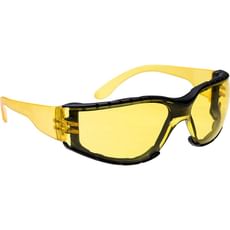
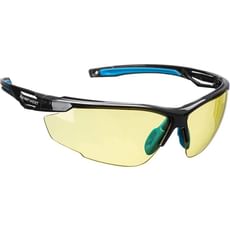
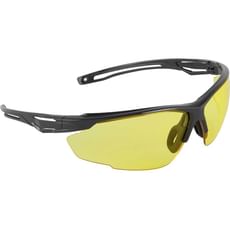
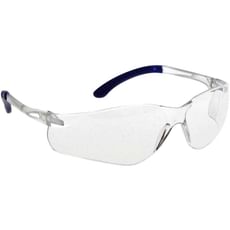
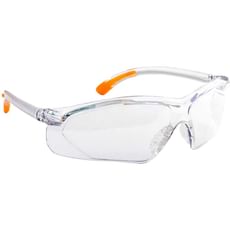
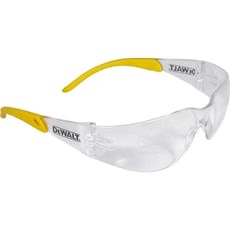
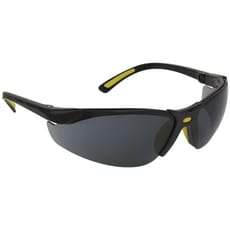
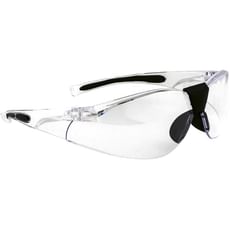
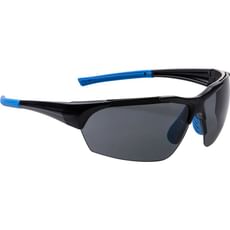
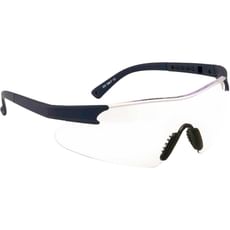
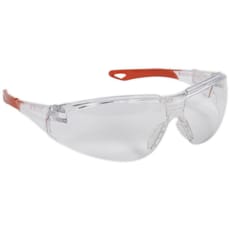
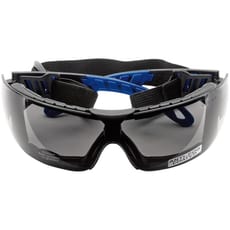
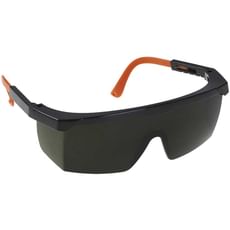
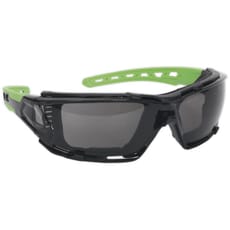
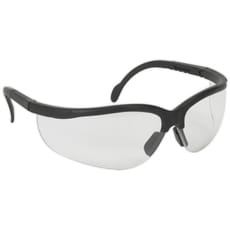
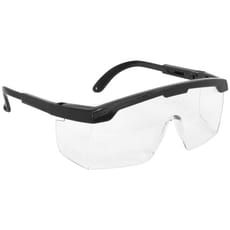
 Loading...
End of content
Error - No more pages to load
About Safety Glasses
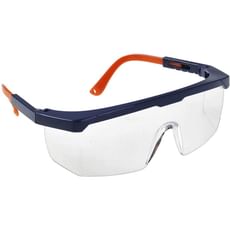
Safety glasses are an essential piece of personal protective equipment (PPE) designed to shield the eyes from a wide range of workplace hazards including flying debris, dust, chemical splashes, and harmful radiation. Unlike regular eyewear, safety glasses are manufactured to rigorous standards using impact-resistant polycarbonate lenses and robust frames that can withstand the demanding conditions found on construction sites, in workshops, and during outdoor projects. Modern safety glasses combine protection with comfort, featuring anti-fog coatings, adjustable temples, and ventilation systems that allow tradespeople to wear them throughout extended working periods.
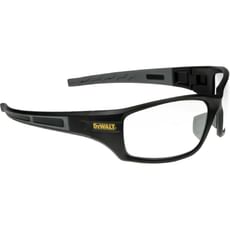
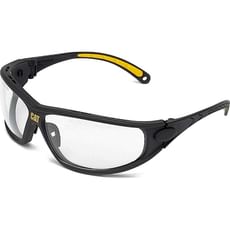
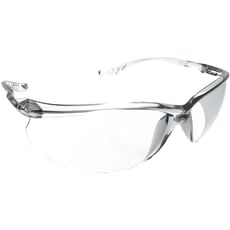
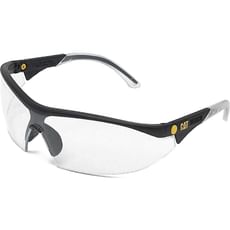
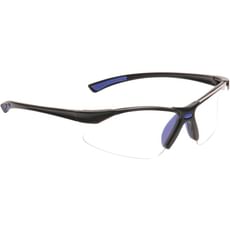
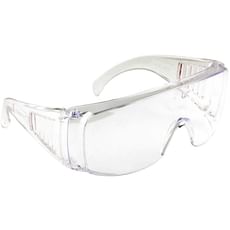
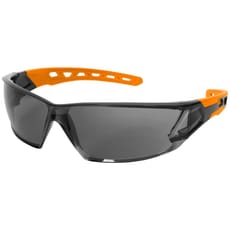
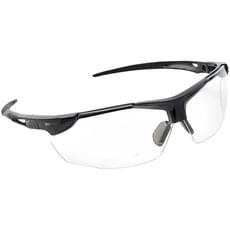
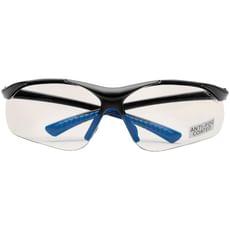
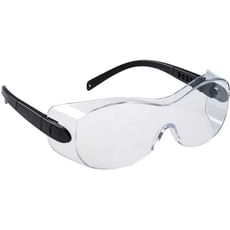
The selection at Tooled-Up.com includes clear lens safety glasses for general workshop use, tinted and smoke lens variants for outdoor work in bright conditions, and specialist options such as over-prescription designs that fit comfortably over regular spectacles. Professional brands including Portwest, DeWalt, Bolle, and Caterpillar offer models engineered to meet EN166 certification standards, ensuring compliance with UK and European safety regulations. From basic site-grade protection to premium anti-scratch options with platinum coatings, safety glasses cater to everyone from DIY enthusiasts tackling weekend projects to professional tradespeople requiring daily eye protection.
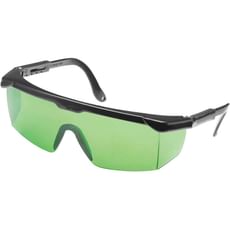
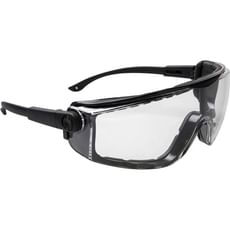
Beyond standard clear lens models, specialist safety glasses address specific working environments and hazards. Laser safety glasses filter particular wavelengths to protect against laser equipment, whilst welding variants shield eyes from arc flash and UV radiation. Many contemporary designs incorporate wraparound coverage for superior peripheral protection, whilst ultra-lightweight frames and flexible temples reduce fatigue during prolonged wear. Upper side shields, non-slip nose bridges, and co-injected temple designs enhance both security and comfort, making modern safety eyewear far removed from the uncomfortable options of previous generations.
Jargon Buster
- EN166 Certification: The European standard that safety glasses must meet to provide adequate eye protection. This certification tests impact resistance, optical quality, and robustness, with different markings indicating the level of protection provided.
- Polycarbonate Lenses: A lightweight, shatter-resistant plastic material used in safety glasses that offers excellent impact protection whilst remaining optically clear. Polycarbonate blocks 99.9% of UV radiation without requiring additional coatings.
- Anti-Fog Coating: A chemical treatment applied to lenses that prevents condensation forming when moving between different temperatures or during physically demanding work, maintaining clear vision throughout the day.
- Platinum Coating: A premium dual-sided lens treatment that combines anti-scratch properties on the outer surface with anti-fog protection on the inner surface, significantly extending the working life of safety glasses.
- Impact Rating: Denotes the level of protection against high-speed particles, with markings such as 'F' (low energy impact at 45 m/s) and 'B' (medium energy impact at 120 m/s) indicating tested performance levels.
- Optical Class: Numbered 1 to 3, this rating indicates lens clarity and distortion levels, with Class 1 providing the highest optical quality suitable for continuous wear and Class 3 intended only for occasional use.
Who Uses Safety Glasses?
Safety glasses are worn by a diverse range of tradespeople and professionals across numerous industries:
- Construction Workers: Site labourers, groundworkers, and builders requiring protection from dust, debris, and flying particles during demolition, cutting, and drilling operations
- Carpenters and Joiners: Chippies working with power saws, routers, and sanders that generate wood chips, sawdust, and airborne splinters
- Electricians: Sparkies protecting against arc flash, debris from chasing out walls, and particles when drilling through masonry for cable runs
- Plumbers: Tradespeople cutting pipes, soldering joints, and working beneath sinks where debris can fall into the eyes
- Mechanics and Engineers: Workshop professionals exposed to metal filings, grinding sparks, and chemical splashes during maintenance and fabrication work
- Groundskeepers and Landscapers: Outdoor workers using strimmers, hedge trimmers, and chainsaws that propel vegetation fragments at high velocity
- Decorators: Professionals sanding surfaces, scraping ceilings, and working overhead where paint chips and plaster dust can fall into eyes
- Laboratory Technicians: Scientists and researchers requiring protection from chemical splashes and biological hazards
- DIY Enthusiasts: Home improvers undertaking projects involving power tools, garden machinery, and potentially hazardous materials
How to Choose the Right Safety Glasses
Assess Your Working Environment: Consider the primary hazards you'll encounter. Clear lenses suit indoor workshop environments, whilst smoke or tinted lenses reduce glare for outdoor construction work. If you work across varied conditions, consider purchasing multiple pairs or photochromic lenses that adjust to light levels.
Verify Certification Standards: Ensure glasses meet EN166 standards as a minimum, with the appropriate impact rating for your trade. Higher-risk environments involving grinding or high-velocity particles require 'B' rated impact protection, whilst general workshop use may only need 'F' rated glasses.
Consider Lens Coatings: Anti-fog coatings prove essential in humid conditions or when moving between temperature zones. Anti-scratch coatings, such as platinum treatments, significantly extend lens life when working in abrasive environments. UV protection is crucial for outdoor tradespeople exposed to sunlight throughout the day.
Ensure Comfortable Fit: Poorly fitting safety glasses will be removed or adjusted frequently, reducing protection. Look for adjustable nose bridges, flexible temples, and appropriate sizing. Those who wear prescription glasses should select over-spectacle designs rather than compromising vision or protection.
Evaluate Additional Features: Wraparound designs offer superior peripheral protection, whilst upper side shields prevent debris entering from above. Ventilated frames reduce fogging, and rubber temple tips prevent slippage. For extended wear, lightweight frames reduce fatigue and pressure points.
Match Specifications to Tasks: Welders need shade-rated lenses, laser equipment operators require wavelength-specific filters, and chemical handlers benefit from sealed goggle-style frames. Browse the range at Tooled-Up to find task-specific options from specialist manufacturers.
Popular Accessories
- Lens Cleaning Solutions: Specialist sprays and wipes that clean without damaging anti-fog or anti-scratch coatings
- Microfibre Cleaning Cloths: Soft, non-abrasive cloths for maintaining optical clarity without scratching polycarbonate lenses
- Safety Glasses Cases: Protective storage preventing damage during transport and keeping lenses clean when not in use
- Neck Cords and Retainers: Prevent glasses being misplaced on busy sites and allow them to hang safely when temporarily removed
- Anti-Fog Treatments: Supplementary sprays and gels that refresh factory-applied coatings or add fog resistance to untreated lenses
- Replacement Lenses: Available for certain premium models, allowing frame reuse whilst maintaining optical clarity
- Foam Seals: Retrofit accessories that convert standard safety glasses into dust-sealed goggles for particularly dusty environments
- Hard Hats with Integrated Visors: Combined head and eye protection for high-risk construction environments
Safety Information
HSE Requirements: The Health and Safety Executive (HSE) mandates that employers must provide appropriate eye protection where risk assessments identify eye hazards. Safety glasses must meet British and European standards (BS EN 166), with certification markings clearly visible on frames and lenses.
Inspection and Replacement: Regularly inspect safety glasses for scratches, cracks, or damaged coatings that compromise protection or visibility. Even minor scratches can distort vision and cause eye strain, whilst cracks significantly reduce impact resistance. Replace damaged eyewear immediately rather than risking injury through continued use of compromised protection.
Proper Fit is Essential: Incorrectly fitted safety glasses leave gaps where debris can enter, negating their protective purpose. Glasses should sit comfortably without pressure points, remain secure during head movement, and provide coverage across the entire eye area including peripheral vision zones.
Not a Substitute for Goggles: Whilst safety glasses protect against impact and general debris, they don't provide sealed protection against fine dust, liquid splashes, or chemical vapours. Tasks involving these hazards require safety goggles or full-face shields as specified in COSHH assessments.
Maintenance Matters: Clean lenses regularly using appropriate solutions to maintain visibility. Dirty or smeared glasses reduce vision quality, increasing accident risk. Store glasses in protective cases when not in use to prevent scratching and contamination from workshop debris.
Frequently Asked Questions
Can I wear safety glasses over my prescription glasses?
Yes, Tooled-Up.com stocks over-spectacle safety glasses specifically designed to fit comfortably over regular prescription eyewear. These feature larger frames with extended temples and increased depth to accommodate spectacles underneath whilst maintaining impact protection. Alternatively, consider prescription safety glasses with your optical prescription incorporated into impact-resistant lenses.
What's the difference between clear, smoke, and tinted safety glasses?
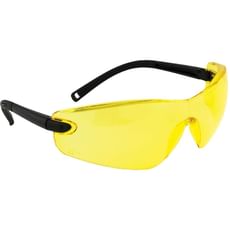
Clear lenses provide maximum light transmission for indoor workshop environments and overcast conditions. Smoke lenses reduce glare and eye strain when working outdoors in bright sunlight, typically blocking 50-70% of visible light. Tinted variants include amber lenses that enhance contrast in low-light conditions and mirror coatings that reflect intense glare during outdoor construction work.
How often should I replace safety glasses?
Replace safety glasses immediately if lenses become scratched, cracked, or clouded, as damage compromises both protection and visibility. Even without visible damage, manufacturers typically recommend replacement every two years for regularly used glasses, as UV exposure and repeated cleaning gradually degrade polycarbonate lenses and coatings. Workplace safety policies may mandate more frequent replacement schedules.
Are safety glasses suitable for angle grinder use?
Standard safety glasses provide basic protection but may not offer adequate coverage for high-risk grinding operations. Check the impact rating - look for 'B' rated glasses (medium energy impact) rather than 'F' rated (low energy) for grinder work. Many professionals prefer full grinding visors or face shields that protect the entire face from high-velocity sparks and larger grinding debris.
Do all safety glasses block UV radiation?
Quality polycarbonate safety glasses inherently block 99.9% of UV radiation without additional coatings, providing excellent protection for outdoor workers. However, verify specifications before purchase, particularly with budget models. Premium brands including DeWalt, Bolle, and Portwest clearly state UV protection levels in product specifications, ensuring compliance with outdoor working requirements.