

Safety Packs

Pay in 3 interest-free payments on purchases from £20-£3000 with  . Learn more.
 Loading...
End of content
Error - No more pages to load
About Safety Packs
Safety packs provide a convenient, cost-effective solution for tradespeople and DIY enthusiasts who need comprehensive personal protective equipment (PPE) for specific tasks. Rather than purchasing individual safety items separately, these curated kits bundle together the essential protection required for particular jobs—from chainsaw operation and hedge trimming to electrical work on hybrid and electric vehicles. Each pack is carefully assembled to meet relevant safety standards, ensuring users have everything they need to work safely and compliantly from the moment they open the box.
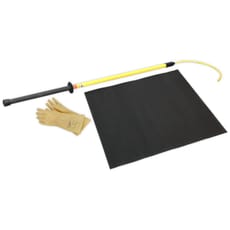
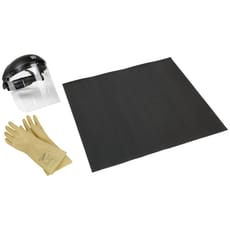
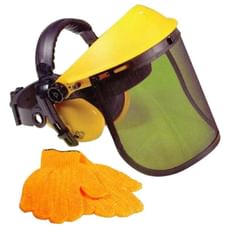
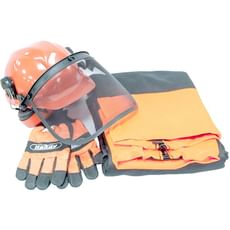
The safety packs available from Tooled-Up.com cater to a wide range of activities and risk levels. Chainsaw safety kits typically include helmets with integrated ear defenders and mesh visors, protective gloves, and chainsaw chaps to guard against cutting injuries. Garden maintenance packs combine hearing protection with face shields and safety gloves for trimmer and hedge cutter use. For electrical professionals, specialised high-voltage PPE kits and EV/hybrid vehicle safety packs provide the insulated gloves, safety glasses, and respiratory protection essential when working with 240v systems and battery technology.
Trusted brands like Sealey and Handy dominate this category, offering safety packs that comply with British and European standards including EN352 for hearing protection and EN1731 for face shields. By purchasing a complete safety pack rather than assembling protection piecemeal, tradespeople ensure compatibility between components whilst often making significant savings compared to buying items individually. These kits are particularly valuable for those starting out in a trade, contractors equipping new team members, or experienced professionals replacing worn PPE across multiple categories simultaneously.
Jargon Buster
- PPE (Personal Protective Equipment) – Clothing and equipment designed to protect the wearer from workplace hazards including impacts, cuts, noise, chemical exposure, and electrical risks.
- EN Standards – European Norms are safety specifications that PPE must meet to be legally sold and used within the UK and EU. Examples include EN352-1 for ear defenders and EN1731 for face protection.
- FFP Ratings (FFP1, FFP2, FFP3) – Filtering Facepiece classifications for respiratory masks. FFP1 filters at least 80% of airborne particles, FFP2 filters 94%, and FFP3 filters 99%, with higher ratings providing greater protection against dust, fumes, and fine particles.
- Chainsaw Chaps – Protective leg coverings containing layers of cut-resistant material that jam a chainsaw chain if contact occurs, preventing serious injury to the legs and thighs.
- High-Voltage PPE – Specialised personal protective equipment including insulated gloves, face shields, and protective clothing designed for safe work on electrical systems, particularly important when working with 240v mains supplies, three-phase systems, and EV battery packs.
- Mesh Visor – A face shield constructed from fine metal mesh rather than plastic, providing impact protection and excellent visibility whilst allowing airflow—particularly popular for forestry and garden maintenance work.
Who Uses Safety Packs?
- Tree Surgeons and Arborists – Regular chainsaw users requiring helmet systems, cut-resistant clothing, and hearing protection
- Landscape Gardeners and Groundskeepers – Professionals operating strimmers, hedge trimmers, and brush cutters who need face, hand, and hearing protection
- Electricians and Electrical Contractors – Sparkies working on domestic, commercial, and automotive electrical systems requiring voltage-rated PPE
- Automotive Technicians – Mechanics servicing hybrid and electric vehicles who must comply with high-voltage safety regulations
- Facility Maintenance Teams – Site workers performing varied tasks requiring adaptable PPE solutions
- Construction Workers – Tradespeople on building sites needing compliant protection for multiple activities
- DIY Enthusiasts and Homeowners – Individuals undertaking garden maintenance, woodworking, or home improvement projects safely
- Agricultural Workers – Farm hands and estate workers using powered equipment for land management
How to Choose the Right Safety Packs
Match the Pack to Your Task: Safety packs are task-specific, so identify your primary activity first. Chainsaw packs provide cut protection and forestry-grade PPE, whilst trimmer kits focus on hearing and facial protection. Electrical packs offer voltage-rated insulation and arc flash protection. Don't assume a general-purpose kit will suffice for high-risk activities.
Check Compliance Standards: Verify that components meet relevant British and European standards. Look for EN markings on helmets, gloves, respiratory masks, and face protection. For electrical work, ensure gloves are voltage-rated appropriately for the systems you'll encounter—domestic 240v work requires different protection than three-phase industrial or EV battery systems.
Consider Sizing and Adjustability: Glove sizes vary between manufacturers, and helmets must fit securely to be effective. Tooled-Up stocks packs from brands like Sealey and Handy that offer adjustable components, but check product specifications for size options before purchasing, especially for gloves and protective clothing.
Evaluate Component Quality: Not all safety packs offer the same level of protection or durability. Flexi-grip gloves provide better dexterity than basic protective gloves, whilst helmet-integrated ear defenders and visors offer superior convenience compared to separate items. Consider how frequently you'll use the equipment—professional tradespeople benefit from higher-specification packs.
Respiratory Protection Level: If your pack includes a dust mask, understand the FFP rating. FFP1 masks suit low-toxicity dust, FFP2 offers moderate protection for wood dust and general construction debris, whilst FFP3 provides maximum filtration for fine particles and hazardous substances. Match the rating to your working environment.
Replacement and Maintenance: Check whether individual components can be replaced when worn. Chainsaw chaps, gloves, and respirator filters have limited lifespans. Some safety packs at Tooled-Up.com use standardised components that can be replaced individually, extending the useful life of the complete kit.
Popular Accessories
- Replacement Respirator Filters – FFP1, FFP2, and FFP3 filters to maintain respiratory protection effectiveness
- Spare Safety Gloves – Additional pairs in various sizes and protection levels for different tasks
- Helmet Replacement Visors – Clear polycarbonate and mesh visors when originals become scratched or damaged
- Hearing Protection Hygiene Kits – Replacement cushions and foam inserts for ear defenders
- Hi-Visibility Vests and Jackets – Complementary visibility clothing for roadside or site work
- Safety Glasses and Goggles – Additional eye protection for tasks not requiring full face shields
- First Aid Kits – Essential backup for any work involving cutting tools or machinery
- Tool Lanyards and Tethers – Prevent dropped tools when working at height
- Voltage Testing Equipment – Essential for electricians to verify systems are isolated before work begins
- Storage Cases and Bags – Keep PPE organised, clean, and protected during transport
Safety Information
Regular Inspection: Examine all PPE components before each use. Check helmets for cracks, gloves for tears or degradation, visors for scratches that impair visibility, and ear defenders for damaged seals. Compromised equipment cannot provide adequate protection and must be replaced immediately.
Replacement Schedules: Even well-maintained PPE has a limited service life. Chainsaw chaps lose effectiveness after exposure to cutting incidents, respiratory masks become less efficient with use, and gloves degrade through exposure to oils and UV light. Follow manufacturers' guidance on replacement intervals—typically every 1-2 years for regularly used items.
Proper Storage: Store safety equipment in clean, dry conditions away from direct sunlight and chemicals. UV exposure degrades plastics and fabrics, reducing protection levels. Keep respiratory masks in sealed bags to prevent contamination when not in use.
Training Requirements: Possessing safety equipment doesn't guarantee safe working. For activities like chainsaw operation or electrical work on hybrid vehicles, proper training is essential and often legally required. The HSE provides guidance on training obligations for various trades and equipment types.
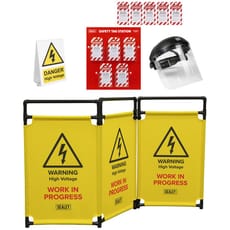
Limitation of Protection: Safety packs provide personal protection but don't eliminate hazards. Always follow proper working procedures, maintain equipment correctly, and implement additional controls like barrier systems and warning signage where appropriate. PPE is the last line of defence, not a substitute for safe working practices.
Frequently Asked Questions
Can I mix and match components from different safety packs?
Whilst individual items like gloves or goggles can generally be used independently, integrated systems like helmet-mounted ear defenders and visors work best as designed sets. Mixing components may compromise fit, compatibility, and overall protection. If you need specific items, consider whether purchasing them separately might better suit your requirements than buying multiple packs.
How often should safety pack components be replaced?
Replacement frequency depends on usage intensity and component type. Respiratory masks should be replaced after 8-40 hours depending on dust exposure, gloves when showing wear or after 6-12 months of regular use, and helmets after any significant impact or every 3-5 years. Chainsaw chaps must be replaced immediately after any contact with a moving chain, even if damage isn't visible. Always follow manufacturer guidance for specific items.
Are these safety packs suitable for commercial use?
Yes, safety packs from established brands like Sealey and Handy meet British and European standards required for commercial applications. However, employers must ensure PPE is appropriate for specific workplace risks through proper risk assessment. Some professional applications may require higher specifications than entry-level packs provide, particularly for electrical work or intensive forestry operations.
Do safety packs include storage cases?
This varies by product. Some comprehensive kits include carrying cases or bags, whilst others supply components without storage. Check individual product specifications before purchasing. Proper storage is important for maintaining PPE in good condition, so consider investing in a separate storage solution if your chosen pack doesn't include one.
Can I use a standard safety pack for electrical work on 240v systems?
Only if the pack is specifically designed and rated for electrical work. General-purpose safety packs don't provide adequate protection against electrical hazards. For work on 240v domestic supplies, EV batteries, or industrial electrical systems, choose packs explicitly rated for high-voltage work with appropriately insulated gloves, voltage-rated face shields, and arc-flash protection. Using inadequate PPE for electrical work is extremely dangerous and potentially illegal under current regulations.