

Safety Shields
Pay in 3 interest-free payments on purchases from £30-2000 with  . Learn more.

 Loading...
End of content
Error - No more pages to load
About Safety Shields
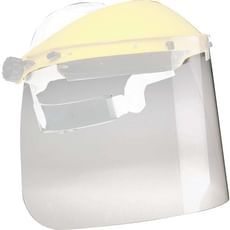
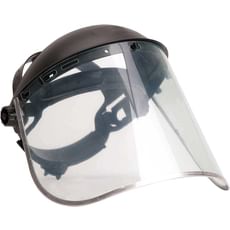
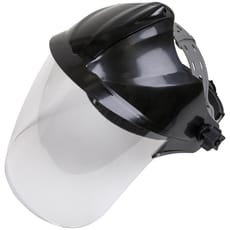
Safety shields, commonly referred to as face shields or safety visors, provide essential full-face protection for workers across numerous industries and trades. Unlike standard safety glasses that protect only the eyes, safety shields offer a transparent or mesh barrier that guards the entire face from flying debris, splashes, sparks, and other workplace hazards. They represent a critical component of personal protective equipment (PPE) and are often worn in conjunction with safety glasses, respirators, and ear defenders for comprehensive protection.
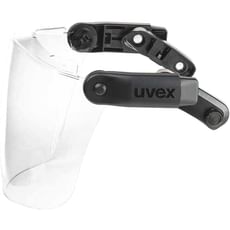
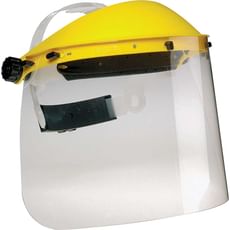
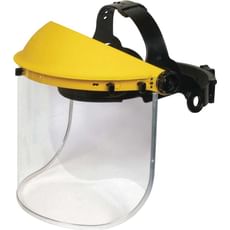
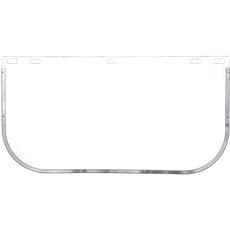
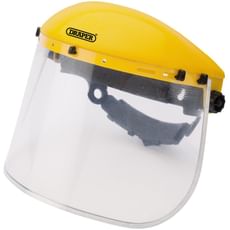
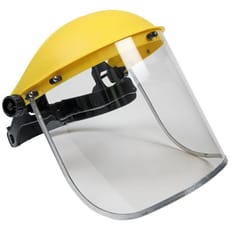
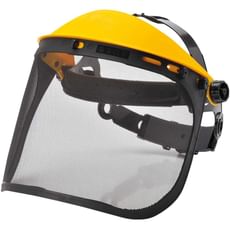
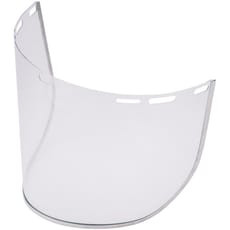
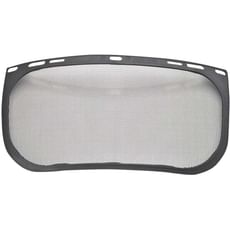
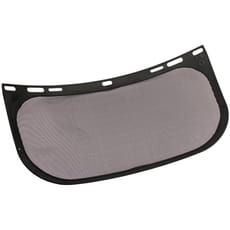
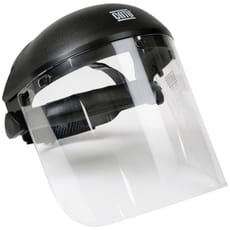
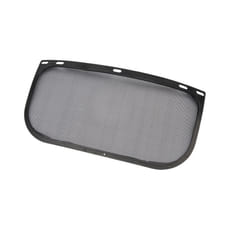
The range available at Tooled-Up.com includes two primary construction types: clear polycarbonate shields and mesh visors. Clear plastic safety shields offer superior protection against fine particles, chemical splashes, and molten metal fragments, making them ideal for metalworking, grinding, and industrial applications. Mesh safety shields, whilst offering less protection against fine debris, excel in forestry work and outdoor environments where ventilation and fog-free operation are priorities. Many models feature interchangeable browguards or attach directly to safety helmets for hands-free convenience.
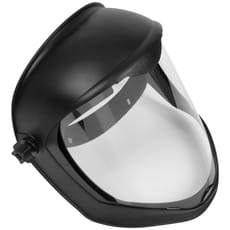
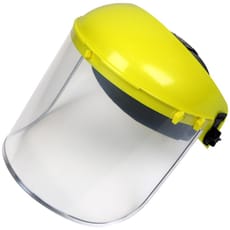
Modern safety shields incorporate various mounting systems including adjustable ratchet headbands, flip-up mechanisms, and helmet-compatible brackets. Tooled-Up stocks trusted brands such as Portwest, Bolle, Uvex, Draper, and Sealey, offering both reusable professional-grade face shields and disposable options suitable for first responders and healthcare applications. Replacement visors are readily available to extend the service life of quality headgear components.
Jargon Buster
- Browguard: The adjustable headband or frame that sits across the forehead, holding the visor in position. Often features a ratchet mechanism for secure fitting and can include padding for comfort during extended wear.
- Polycarbonate Visor: A clear plastic face shield manufactured from polycarbonate material, offering excellent impact resistance and optical clarity. Protects against fine particles, liquid splashes, and UV radiation whilst maintaining visibility.
- Mesh Visor: A face shield constructed from metal or polymer mesh rather than solid plastic, providing protection from larger debris whilst maintaining maximum airflow and preventing fogging in hot or humid conditions.
- Flip-Up Mechanism: A hinge system that allows the visor to be raised when full facial protection isn't required, providing convenience without removing the entire assembly from the head or helmet.
- Optical Class 1: The highest optical quality rating for protective visors, indicating minimal distortion and suitable for prolonged wearing without eye strain. Essential for detailed work requiring clear vision.
- Anti-Fog Coating: A chemical treatment applied to clear visors that reduces condensation build-up during use, particularly important in warm environments or when combined with respirators that direct exhaled air upwards.
Who Uses Safety Shields?
Safety shields are essential protective equipment for numerous trades and professions:
- Metalworkers and Fabricators: Protection from grinding sparks, welding splatter, and hot metal fragments during cutting, grinding, and finishing operations
- Forestry Workers and Arborists: Face protection when operating chainsaws, with mesh visors preventing wood chips and sawdust from causing facial injuries
- Laboratory Technicians: Chemical splash protection during mixing, pouring, and handling of hazardous substances in compliance with COSHH regulations
- Woodworkers and Carpenters: Defence against flying wood chips, dust, and debris during routing, sanding, and machine operations
- Engineering and Manufacturing Operatives: Protection during machining, milling, and lathe work where metal swarf and coolant can be ejected at high velocity
- Maintenance Engineers: Face protection when working with power tools, grinding, or dealing with overhead hazards on site
- Healthcare and Emergency Services: Disposable face shields provide barrier protection against droplets and splashes in medical and first responder situations
- DIY Enthusiasts: Home workshop users requiring facial protection during grinding, cutting, or working with chemicals
How to Choose the Right Safety Shields
Selecting appropriate facial protection depends on several key factors:
Hazard Type: Clear polycarbonate visors suit applications involving fine particles, liquid splashes, chemical handling, and metalworking where complete facial coverage is essential. Mesh visors are preferable for forestry work and outdoor environments where larger debris is the primary concern and ventilation prevents fogging.
Mounting System: Browguard models with adjustable ratchet headbands offer versatility and can be worn independently or over safety glasses. Helmet-mounted options integrate with forestry helmets or industrial hard hats for comprehensive head and face protection. Consider whether flip-up functionality would benefit your workflow.
Optical Quality: For prolonged use or detailed work, invest in Optical Class 1 visors that minimise distortion and eye strain. Budget options may suffice for occasional DIY use, but professional tradespeople benefit from superior optical clarity.
Anti-Fog Features: Working in warm environments or wearing respirators simultaneously necessitates anti-fog coating or adequate ventilation. Mesh visors naturally resist fogging but offer less protection against fine particles.
Compliance Standards: Verify that face shields meet relevant EN166 standards for mechanical strength, optical quality, and coverage. HSE guidance recommends ensuring PPE is CE marked and appropriate for identified workplace hazards.
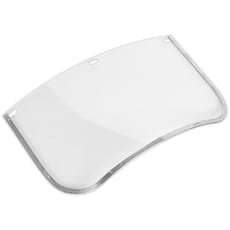
Replacement Availability: Consider long-term costs by choosing systems with readily available replacement visors. The Tooled-Up range includes numerous replacement options for popular Portwest, Draper, and Scan models, making it economical to refresh scratched or damaged visors rather than replacing entire assemblies.
Popular Accessories
- Replacement Visors: Clear polycarbonate and mesh replacement visors for extending the service life of browguards and helmet attachments
- Safety Glasses: Worn underneath face shields for dual-layer eye protection, particularly important with mesh visors that don't stop fine particles
- Safety Helmets: Forestry helmets and industrial hard hats designed to accept face shield attachments for integrated head and face protection
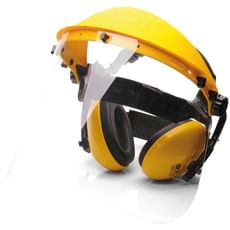
- Ear Defenders: Combined kits offering simultaneous hearing and facial protection, ideal for chainsaw operation and noisy industrial environments
- Respirators and Dust Masks: Respiratory protection that can be worn alongside face shields for comprehensive PPE in dusty or fume-laden environments
- Anti-Fog Spray: Chemical treatments for maintaining clear vision on polycarbonate visors in humid conditions
- Cleaning Solutions: Specialised cleaners for maintaining optical clarity and removing residues without scratching delicate visor surfaces
- Storage Cases: Protective cases prevent scratching and damage when transporting face shields between job sites
Safety Information
Face shields must be selected according to the specific hazards present in your working environment. The HSE recommends conducting thorough risk assessments to identify facial hazards including flying particles, chemical splashes, molten metal, and biological droplets. Safety shields should always comply with EN166 standards, which specify requirements for optical quality, mechanical strength, and coverage area.
Important safety considerations include ensuring face shields are regularly inspected for cracks, scratches, or damage that could compromise protection or visibility. Scratched visors should be replaced immediately as they reduce optical clarity and can cause eye strain. When worn with other PPE such as respirators or safety glasses, verify compatibility to ensure secure fitting without gaps in protection.
Face shields alone do not provide adequate eye protection against fine particles or high-impact hazards—always wear safety glasses or goggles underneath, particularly when using mesh visors. Ensure browguards are properly adjusted for a secure, comfortable fit that prevents the shield from shifting during work activities. Clean visors regularly with appropriate solutions to maintain visibility, and store face shields properly to prevent scratching and deformation.
Frequently Asked Questions
Can I wear a face shield instead of safety glasses?
No, face shields should be worn in addition to safety glasses, not as a replacement. Whilst face shields protect the entire face from direct impact and splashes, they don't provide adequate protection against particles that can ricochet underneath or around the visor. HSE guidance recommends wearing safety glasses or goggles beneath face shields for comprehensive eye protection, particularly when using mesh visors that allow fine particles through.
What's the difference between clear plastic and mesh safety shields?
Clear polycarbonate visors offer complete facial coverage and protect against fine particles, liquid splashes, chemical sprays, and molten metal fragments. They're ideal for metalworking, grinding, and laboratory applications but can fog up during use. Mesh visors provide excellent ventilation and never fog, making them perfect for forestry work and outdoor use, but they allow fine particles through and require safety glasses to be worn underneath for adequate eye protection.
How often should I replace my face shield visor?
Replace visors immediately if they become cracked, deeply scratched, or discoloured, as damage compromises both protection and visibility. Even without obvious damage, polycarbonate visors develop fine scratches over time that reduce optical clarity. Heavy users in demanding environments like metalworking may need replacements every few months, whilst occasional DIY use might extend visor life considerably. Regular inspection before each use is essential for maintaining adequate protection.
Do face shields protect against UV radiation from welding?
Standard face shields do not provide adequate protection against the intense UV and infrared radiation produced during welding operations. Welding requires specialised auto-darkening welding helmets or fixed-shade welding masks rated for the specific welding process being used. Some face shields offer UV protection for outdoor work or low-level UV exposure, but never use a standard safety shield for welding applications.
Can face shields be worn with other PPE like respirators and ear defenders?
Yes, face shields are designed to be compatible with other PPE including respirators, ear defenders, and hard hats. Many models feature adjustable browguards that accommodate various head sizes and underlying safety equipment. Combined kits are available that integrate face shields with ear defenders for simultaneous hearing and facial protection. When wearing multiple PPE items, ensure proper fitting without gaps and verify that exhaled air from respirators doesn't cause excessive fogging on clear visors.