
Safety & Warning Signs

Pay in 3 interest-free payments on purchases from £20-£3000 with  . Learn more.



Loading...
End of content
Error - No more pages to load
About Safety & Warning Signs
Safety and warning signs are essential components of any workplace, construction site, or commercial premises, providing clear visual communication to protect people from hazards and ensure compliance with UK health and safety regulations. These critical safety products help fulfil legal obligations under the Health and Safety at Work Act and guidance from the HSE, whilst reducing the risk of accidents and injuries. From fire exit signage and first aid markers to electrical hazard warnings and forklift operating zones, the comprehensive selection at Tooled-Up.com covers every aspect of workplace safety communication.
Modern safety signage must meet stringent British and European standards (BS EN ISO 7010) to ensure universal recognition and understanding across diverse workforces. Quality signs feature durable materials designed to withstand demanding environments, whether that's exposure to weather on construction sites, chemical splashes in industrial settings, or the daily wear and tear of busy commercial premises. Tooled-Up stocks safety signs from trusted manufacturers including Draper, Scan, Faithfull and Armorgard, offering both self-adhesive and rigid mounting options in various sizes to suit any application.
Beyond static signage, safety communication extends to physical barriers and expandable warning systems that create visible exclusion zones around hazardous work areas. These temporary safety solutions are invaluable for tradespeople working on sites with moving vehicles, electrical installations, or areas where overhead work creates falling object risks. Investment in proper safety signage demonstrates professional responsibility, protects workers and visitors, and helps businesses avoid costly HSE enforcement action or insurance claims following preventable incidents.
Jargon Buster
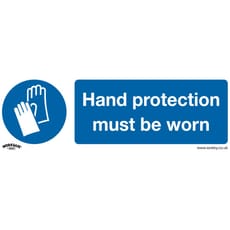
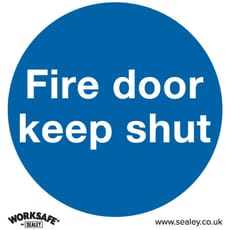
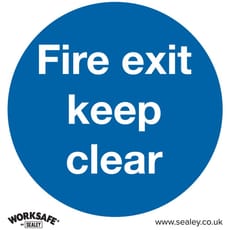
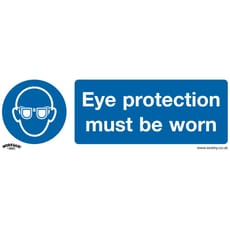
- Mandatory Signs: Blue circular signs with white pictograms indicating actions that must be taken, such as wearing PPE (eye protection, hard hats, or high-visibility clothing) in designated areas.
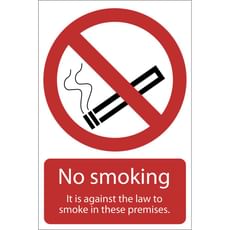
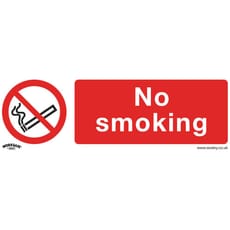
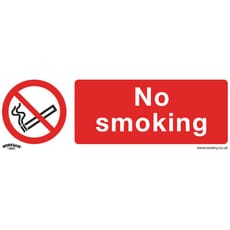
- Prohibition Signs: Red circular signs with diagonal bars communicating actions that are forbidden, such as no smoking, no unauthorised access, or no mobile phones in certain zones.
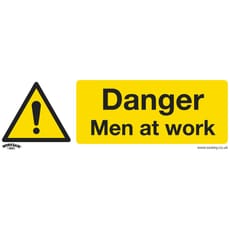
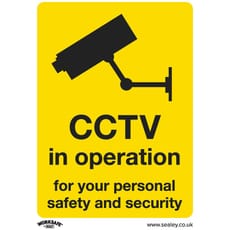
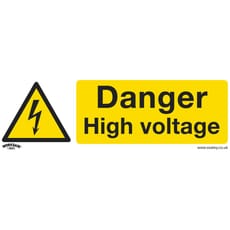
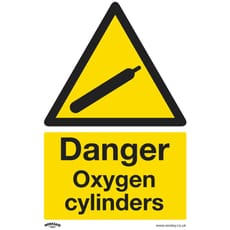
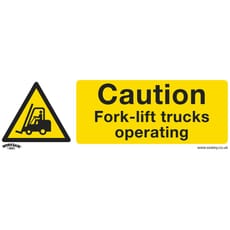
- Warning Signs: Yellow triangular signs with black borders alerting people to potential hazards including electricity, chemicals, moving vehicles, or overhead loads.
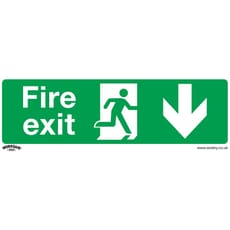
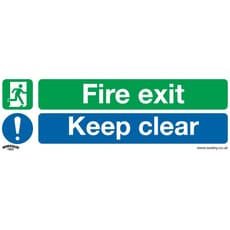
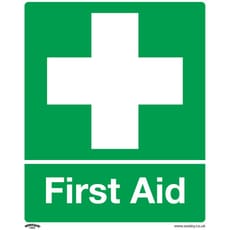
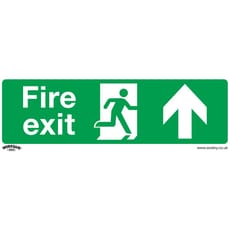
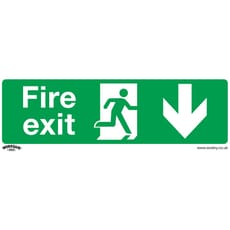
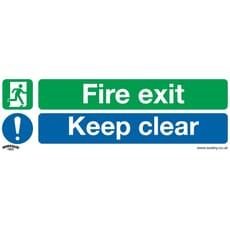
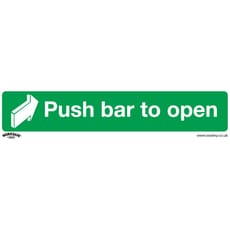
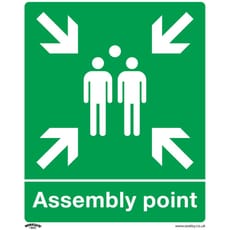
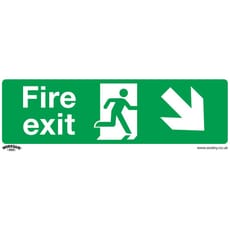
- Safe Condition Signs: Green rectangular signs indicating emergency equipment locations, escape routes, first aid stations, and assembly points for evacuation procedures.
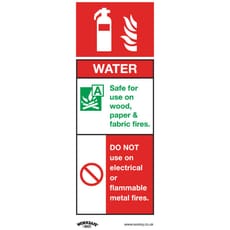
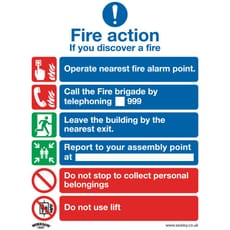
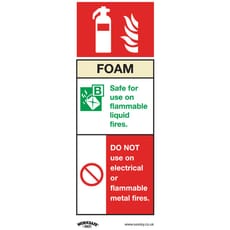
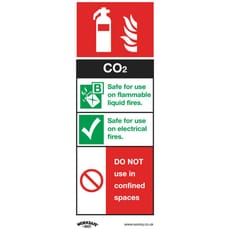
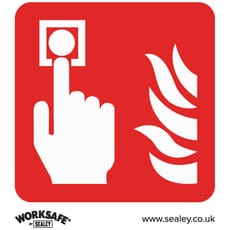
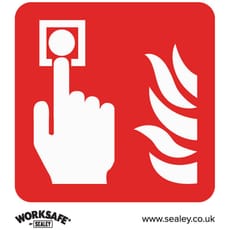
- Fire Equipment Signs: Red rectangular signs marking the location of fire extinguishers, fire blankets, alarm call points, and hose reels for emergency response.
- Photoluminescent Signage: Glow-in-the-dark signs containing phosphorescent materials that remain visible during power failures or in smoke-filled conditions, essential for emergency exit routes.
Who Uses Safety & Warning Signs?
Safety and warning signs are required across virtually every commercial and industrial sector:
- Construction contractors and site managers marking hazardous zones, vehicle routes, and mandatory PPE areas
- Electricians (sparkies) installing danger signs for 240v electrical installations, substations, and high voltage equipment
- Facilities managers maintaining compliance across office buildings, warehouses, and industrial premises
- Factory and warehouse supervisors managing forklift operating zones, loading bays, and machinery hazards
- Landlords and property managers ensuring rental properties and commercial units meet fire safety requirements
- Health and safety officers implementing comprehensive safety programmes across organisations
- Scaffolders and roofing contractors warning of overhead work, fragile roof surfaces, and falling object risks
- Maintenance engineers isolating equipment during servicing and marking confined spaces
- Shop and restaurant owners displaying mandatory hygiene notices, emergency exits, and customer safety information
- Cleaning contractors using wet floor warnings and temporary hazard notifications
How to Choose the Right Safety & Warning Signs
Selecting appropriate safety signage requires consideration of several key factors to ensure effectiveness and compliance:
Regulatory Compliance: Verify that signs conform to current British Standards (BS EN ISO 7010) which standardise pictograms for international recognition. This is particularly important in workplaces with non-English speaking employees or international visitors.
Material Durability: Choose materials appropriate to the installation environment. Self-adhesive vinyl signs suit protected indoor locations, whilst rigid plastic or aluminium signs withstand outdoor conditions, chemical exposure, or high-traffic areas. Photoluminescent options are essential for fire exit routes where visibility during power failures is critical.
Size and Visibility: Select sign dimensions based on viewing distance and ambient lighting conditions. Larger signs (300mm or 400mm) are necessary for warehouse environments or outdoor sites, whilst smaller formats (150mm or 200mm) suffice for close-proximity applications like machinery controls or electrical panels.
Mounting Method: Consider installation requirements – self-adhesive signs offer quick deployment on smooth surfaces, whilst drilled and screwed rigid signs provide permanent solutions for rough walls or outdoor posts. Hanging signs work well for suspended ceiling grids or temporary applications.
Comprehensive Coverage: Conduct a thorough risk assessment to identify all hazards requiring signage. The range at Tooled-Up.com includes complete sign packs covering fire safety essentials, helping ensure nothing is overlooked during installation.
Temporary Barriers: For dynamic work environments, expandable safety barriers provide flexible hazard communication that can be quickly deployed and repositioned as work progresses, ideal for maintenance work or event management.
Popular Accessories
- Sign fixings and mounting hardware – screws, wall plugs, and adhesive pads for permanent installation
- Sign frames and holders – protective cases and snap frames for changeable notices
- Traffic cones and barriers – temporary hazard marking for mobile work zones
- High-visibility tape and marking paint – floor marking for permanent hazard delineation
- Lockout/tagout equipment – isolation locks and tags for equipment during maintenance
- Fire safety equipment – extinguishers and blankets to accompany fire point signage
- First aid kits – comprehensive medical supplies to position beneath first aid signs
- PPE storage solutions – wall-mounted dispensers for mandatory protective equipment
- Document holders – weather-resistant cases for displaying safety method statements and risk assessments
Safety Information
Whilst safety signs themselves present minimal risk, their proper specification, installation and maintenance are critical to their protective function:
Legal Obligations: The Health and Safety (Safety Signs and Signals) Regulations 1996 require employers to provide safety signs where risks cannot be adequately controlled through other means. Signs must be maintained in clean, visible condition and replaced when damaged or faded. Regular audits should verify that signage remains appropriate as workplace hazards change.
Installation Height: Position signs at consistent eye-level heights (typically 1.5 to 2 metres) for optimal visibility. Fire exit signs must be clearly visible along entire escape routes, with additional low-level signage beneficial in smoke conditions. Electrical hazard warnings should be placed directly on or immediately adjacent to the danger source.
Training Requirements: Remember that signage supplements rather than replaces proper safety training. All employees must receive induction covering the meaning of different sign types and appropriate responses to safety warnings encountered in their workplace.
Periodic Review: Conduct regular inspections to ensure signs remain legible, securely mounted, and relevant to current site operations. Photoluminescent signs require occasional exposure to light sources to maintain their glow properties – verify they're not obscured or painted over.
Frequently Asked Questions
What's the difference between self-adhesive and rigid safety signs?
Self-adhesive vinyl signs are thinner, lightweight, and stick directly to smooth, clean surfaces like painted walls, glass, or metal panels. They're economical and quick to install but less durable in harsh conditions. Rigid signs made from plastic or aluminium are more robust, weather-resistant, and suitable for rough surfaces or outdoor use where they can be screwed or bolted in place for permanent installation.
Do safety signs need to meet specific British Standards?
Yes, workplace safety signs in the UK should comply with BS EN ISO 7010, which standardises safety sign design across Europe. This ensures pictograms are universally recognised regardless of language barriers. Signs meeting this standard feature consistent colours, shapes, and symbols – yellow triangles for warnings, red circles for prohibitions, blue circles for mandatory actions, and green rectangles for safe conditions.
How often should safety signage be replaced?
Replace safety signs whenever they become damaged, faded, illegible, or no longer accurately reflect workplace hazards. Outdoor signs typically require replacement every 3-5 years due to UV degradation, whilst protected indoor signage may last considerably longer. Conduct quarterly inspections to identify signs requiring maintenance or replacement, as illegible or missing safety signs create liability issues and compromise workplace safety.
Are photoluminescent fire exit signs a legal requirement?
Whilst not universally mandatory, photoluminescent (glow-in-the-dark) fire exit signs are strongly recommended and often required in buildings without emergency lighting backup systems. They remain visible during power failures or in smoke-filled conditions, providing critical guidance during evacuations. Many modern building regulations and insurance policies effectively require their installation in commercial premises, particularly along designated escape routes and at final exits.
Can I create my own custom safety signs?
For standard hazards covered by BS EN ISO 7010, you must use compliant signs with standardised pictograms rather than creating custom designs. However, supplementary text signs providing site-specific instructions (such as speed limits, site rules, or equipment operating procedures) can be custom-made provided they don't conflict with or dilute standard safety signage. Always prioritise recognised symbol-based signs for universal hazard communication before adding supplementary text-based notices.