

Sanding Belts
Pay in 3 interest-free payments on purchases from £30-2000 with  . Learn more.
 Loading...
End of content
Error - No more pages to load
About Sanding Belts
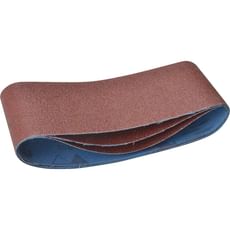
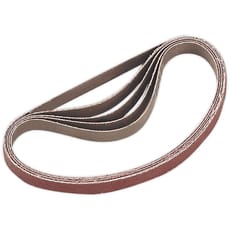
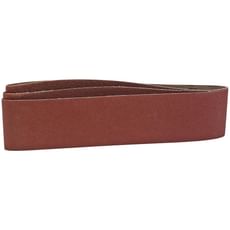
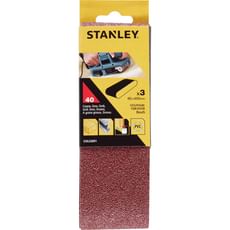
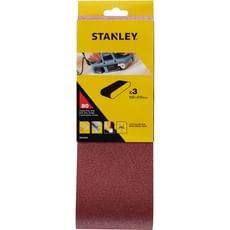
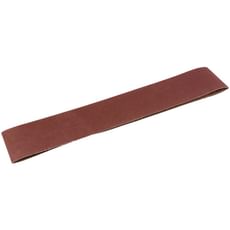
Sanding belts are continuous loops of abrasive material designed for use with belt sanders, bench-mounted sanding machines, and sanding files. These versatile abrasives are essential for stock removal, surface preparation, finishing, and polishing across a wide range of materials including wood, metal, paint, and composite surfaces. Available in numerous dimensions and grit ratings, sanding belts provide efficient material removal and consistent results for both professional tradespeople and serious DIY enthusiasts.
The selection at Tooled-Up.com includes sanding belts from leading manufacturers such as Bosch Professional, DeWalt, Makita, Faithfull, Flexovit, Draper, and Festool. Belt sizes range from compact 13mm x 455mm options for detail work through to larger 100mm x 620mm belts for heavy-duty applications. Each belt is manufactured with specific backing materials and abrasive grains suited to different tasks, whether you're removing old paint, smoothing timber joints, deburring metal edges, or achieving a fine finish on furniture.
Choosing the correct sanding belt depends on three key factors: the precise dimensions required by your sander or machine, the grit rating appropriate for your task, and the backing material suited to your workpiece. Modern sanding belts feature reinforced joints and tear-resistant backings that extend working life and maintain consistent performance even under demanding site conditions.
Jargon Buster
- Grit Rating: The number that indicates abrasive particle size and coarseness. Lower numbers (40-60 grit) represent coarse abrasives for aggressive material removal, whilst higher numbers (180-320 grit) denote fine abrasives for finishing work.
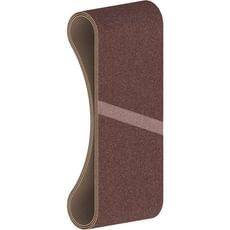
- Belt Joint: The seam where the abrasive strip is joined to form a continuous loop. Reinforced joints prevent splitting and ensure smooth operation without bumps or inconsistent sanding.
- Backing Material: The flexible base that supports the abrasive grains. Common types include cloth (X-weight or J-weight), paper, or polyester, each offering different flexibility, durability, and tear resistance characteristics.
- Abrasive Grain: The cutting material bonded to the backing. Aluminium oxide suits wood and metal, silicon carbide works well on stone and glass, whilst ceramic and zirconia grains offer exceptional durability for demanding applications.
- Belt Tracking: The alignment of the belt on the sander's rollers. Proper tracking ensures even wear and prevents the belt running off the machine during operation.
- Open Coat vs Closed Coat: Open coat belts have abrasive grains covering 50-70% of the backing, reducing clogging when sanding soft materials or paint. Closed coat belts feature complete coverage for maximum cutting efficiency on harder surfaces.
Who Uses Sanding Belts?
- Carpenters and Joiners: Surface preparation, timber smoothing, and fine finishing of joinery work
- Cabinet Makers and Furniture Makers: Detail sanding, edge finishing, and achieving smooth surfaces on bespoke furniture
- Metalworkers and Fabricators: Deburring, rust removal, weld cleaning, and metal surface preparation
- Builders and General Contractors: Site preparation work, paint removal, and surface levelling
- Decorators: Preparing surfaces before painting, removing old finishes, and smoothing filler
- Workshop Technicians: Bench-mounted sanding operations and precision finishing tasks
- Vehicle Restorers: Bodywork preparation, paint removal, and metal finishing
- DIY Enthusiasts: Home improvement projects, furniture restoration, and general workshop tasks
How to Choose the Right Sanding Belts
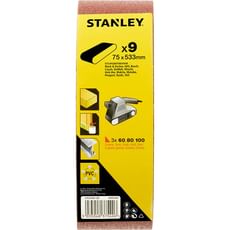
Correct Dimensions: Measure your belt sander or machine carefully, noting both width and length in millimetres. Sanding belts must match your machine's specifications exactly – a belt that's too long won't track properly, whilst one that's too short won't fit. Common sizes include 75mm x 533mm, 100mm x 610mm, and 40mm x 305mm, though dozens of variations exist.
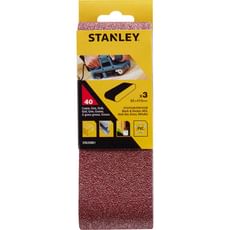
Appropriate Grit Selection: Match the grit rating to your task. Use 40-60 grit for heavy stock removal, paint stripping, or initial shaping. Choose 80-120 grit for general smoothing and surface preparation. Select 150-240 grit for fine finishing before painting or varnishing. For best results, work progressively through grit grades rather than jumping from coarse to fine.
Backing Material Quality: Cloth-backed belts (particularly X-weight cloth) offer superior durability and flexibility for power sanding applications. Paper-backed options suit lighter duties and hand-operated sanding files. Professional-grade belts from manufacturers like Bosch Professional and Festool feature reinforced joints and tear-resistant backings that significantly extend working life.
Material Compatibility: Different abrasive grains perform best on specific materials. Aluminium oxide provides excellent all-round performance on wood and metal. Silicon carbide suits non-ferrous metals and painted surfaces. Ceramic and zirconia grains, found in premium ranges available from Tooled-Up, deliver exceptional longevity when working with hardwoods or stainless steel.
Quantity Considerations: Many manufacturers offer multi-pack options that provide better value for regular users. Consider your project scope – large-scale site work or workshop production runs benefit from bulk purchasing, whilst occasional users might prefer smaller quantities with varied grit ratings.
Popular Accessories
- Belt Sanders: Portable and benchtop models from Makita, DeWalt, and Bosch to power your sanding belts
- Sanding Frames and Files: Hand-operated tools that accept narrow sanding belts for detail work
- Dust Extraction Equipment: Vacuum systems and dust bags to maintain clean working conditions
- Replacement Tracking Rollers: Maintenance parts to keep belt sanders running smoothly
- Sanding Belt Cleaners: Rubber cleaning sticks that remove embedded dust and extend belt life
- Work Clamps and Benches: Secure workpiece holding for safer sanding operations
- Additional Abrasives: Sanding discs, sheets, and sponges for complementary finishing tasks
- Safety Equipment: Dust masks, safety glasses, and hearing protection
Safety Information
Personal Protective Equipment: Always wear appropriate safety glasses or goggles to protect against flying debris. Use dust masks or respirators compliant with HSE guidelines, particularly when sanding materials that produce fine dust or potentially harmful particles. Hearing protection is advisable during extended belt sander operation.
Dust Control: Sanding operations generate significant airborne dust. Connect belt sanders to suitable dust extraction equipment whenever possible. Ensure adequate workshop ventilation and be aware of COSHH regulations regarding wood dust exposure, particularly hardwood dusts which are classified as carcinogens.
Machine Operation: Inspect sanding belts before fitting – damaged or worn belts should be replaced immediately. Ensure belts are correctly tracked and tensioned according to manufacturer specifications. Never operate belt sanders with guards removed. Disconnect power tools from 240v mains supply before changing belts. Allow machines to reach full operating speed before contacting the workpiece.
Material Considerations: Some materials require special handling. Avoid sanding lead-based paints or treated timber without appropriate respiratory protection. Metal sanding can generate sparks – work away from flammable materials and have fire extinguishing equipment nearby.
Frequently Asked Questions
How do I know which size sanding belt I need?
Check your belt sander's specification plate or user manual for the exact dimensions required. The belt size is typically expressed as width x length in millimetres (for example, 75mm x 533mm). You can also measure an existing belt when laid flat, though be aware that used belts may have stretched slightly. Tooled-Up.com provides detailed size specifications for all products to help ensure you select the correct dimensions.
What grit rating should I start with for my project?
For bare wood requiring significant levelling or shaping, start with 60-80 grit. If you're preparing previously finished surfaces or removing old paint, begin with 40-60 grit. For light smoothing of already prepared surfaces, commence with 100-120 grit. Always progress through successive grit grades – skipping grades rarely saves time and typically produces inferior results. Finish with 180-240 grit before applying stains or clear finishes.
Why do my sanding belts keep breaking or tearing?
Belt failure usually results from incorrect tension (too tight or too loose), poor tracking alignment, worn or damaged sander rollers, excessive pressure during use, or sanding materials with sharp edges or protrusions. Inspect your machine's tracking and tension mechanisms, and ensure you're not forcing the sander. Quality belts with reinforced joints and tear-resistant backings, such as those from Bosch Professional and Festool ranges, offer significantly improved durability.
Can I use the same sanding belt for wood and metal?
Whilst aluminium oxide belts work adequately on both materials, it's better practice to dedicate belts to specific materials. Wood dust and resins will clog a belt and reduce its effectiveness on metal, whilst metal particles embedded in a belt can scratch and damage timber. If you regularly work with both materials, maintain separate belt stocks or at minimum use fresh belts when switching between material types.
How long should a sanding belt last?
Belt life varies enormously depending on material hardness, pressure applied, grit rating, and belt quality. Coarse grits wear faster than fine grits. Premium belts with ceramic or zirconia grains last considerably longer than standard aluminium oxide versions, particularly on demanding applications. Replace belts when they no longer cut efficiently, show visible damage, or produce inconsistent results. Using worn belts wastes time and produces poor surface quality.