

Sanding Blocks

Pay in 3 interest-free payments on purchases from £20-£3000 with  . Learn more.
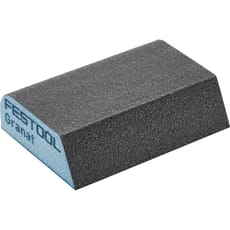
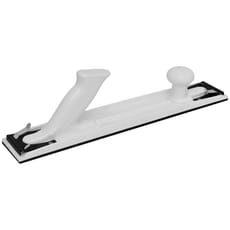
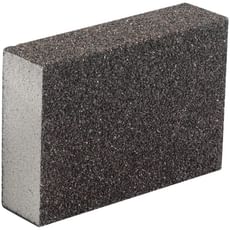
 Loading...
End of content
Error - No more pages to load
About Sanding Blocks
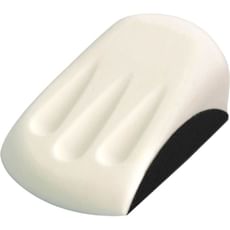
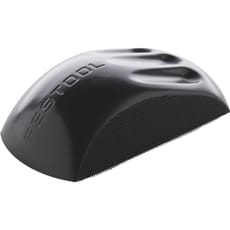
Sanding blocks are essential hand tools designed to hold abrasive paper or sponge material securely while providing a flat, ergonomic surface for manual sanding operations. Unlike power sanders, these versatile tools offer precise control for smoothing wood, metal, painted surfaces, filler, and decorative finishes. Available in various materials including cork, rubber, foam, and rigid plastic, sanding blocks suit different applications from aggressive material removal to ultra-fine finishing work. Tooled-Up.com stocks a comprehensive range from trusted manufacturers including Bosch Professional, Festool, Faithfull, and Draper, catering to both professional tradespeople and serious DIY enthusiasts.
The category encompasses several distinct types: traditional cork blocks for general purpose sanding, flexible foam blocks that contour to curved surfaces, specialist shaped blocks for detailed work, and modern sanding sponges with integrated abrasive coatings. Professional-grade options feature quick-change systems, dust extraction compatibility, and ergonomic grips for extended use. Whether preparing surfaces for painting, smoothing between coats, removing rust and corrosion, or achieving glass-smooth finishes on fine woodwork, selecting the appropriate sanding block significantly improves results whilst reducing hand fatigue during prolonged sanding tasks.
Many professional kits available at Tooled-Up combine multiple block profiles with assorted grit abrasives, providing complete solutions for varied sanding requirements. These sets typically include coarse grits (40-80) for rapid stock removal, medium grits (100-150) for general smoothing, and fine grits (180-320) for finishing work, alongside fleece pads for ultra-fine buffing and polishing applications.
Jargon Buster
- Grit Size: The numerical rating indicating abrasive particle size, with lower numbers (40-80) representing coarse, aggressive cutting action, and higher numbers (180-400+) denoting fine abrasives for smooth finishing. This standardised measurement helps match the correct abrasive to specific tasks.
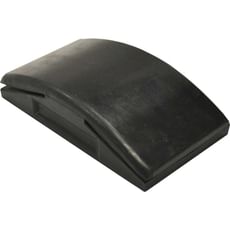
- Cork Block: Traditional sanding block constructed from compressed cork material, offering slight flexibility whilst maintaining relatively flat surfaces. Cork naturally cushions hand pressure and resists heat buildup during sanding operations.
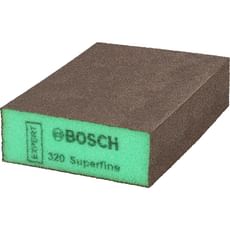
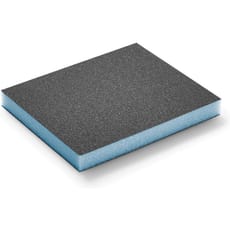
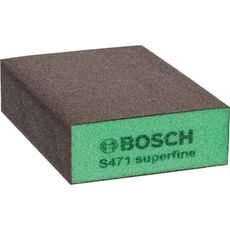
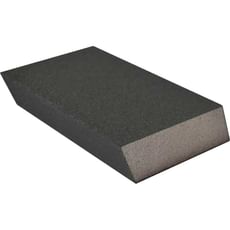
- Sanding Sponge: Flexible foam block with abrasive material bonded to one or more surfaces, available in various densities and profiles. These washable, reusable tools conform to contours and reach into recessed areas conventional blocks cannot access.
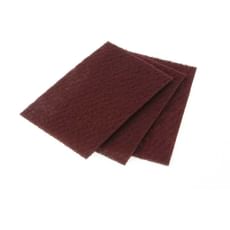
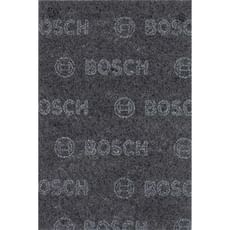
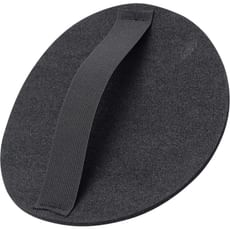
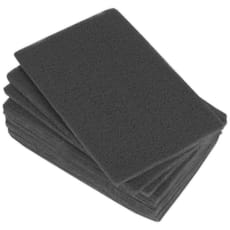
- Fleece Hand Pad: Non-woven abrasive pad constructed from synthetic fibres impregnated with abrasive particles, designed for fine finishing, deburring, and surface preparation without aggressive material removal. Particularly effective for metalwork and between-coat sanding.
- Contoured Block: Specially shaped sanding block featuring radiused edges, curved faces, or profiled surfaces designed to match common moulding shapes, enabling consistent sanding of decorative profiles and turned work.
- Quick-Change System: Mechanical attachment method using clips, hooks, or adhesive backing allowing rapid abrasive paper changes without manual cutting or fitting, improving efficiency on professional sites.
Who Uses Sanding Blocks?
- Carpenters and joiners for smoothing timber components, removing machining marks, and preparing joints
- Cabinet makers and furniture restorers requiring precise surface preparation and fine finishing control
- Painters and decorators for surface preparation, denibbing between coats, and achieving flawless painted finishes
- Plasterers and dry-liners smoothing filled joints and feathering repair work
- Automotive body repair technicians flatting filler, primers, and topcoats
- Metal fabricators for deburring, removing corrosion, and surface preparation before welding or coating
- DIY enthusiasts undertaking home improvement, furniture renovation, and general maintenance projects
- Model makers and craftspeople requiring delicate control for small-scale detailed work
- Shop fitters and installers for on-site finishing touches and adjustment work
How to Choose the Right Sanding Blocks
Application and Material: Consider what you'll predominantly sand. Cork blocks suit flat timber surfaces, whilst flexible foam blocks adapt to curves and profiles. Rigid blocks maintain flat surfaces crucial for precise joinery, whereas sanding sponges access intricate mouldings and detailed areas. Metal preparation often benefits from fleece pads that won't scratch whilst removing oxidation.
Block Size and Shape: Larger blocks (100mm+ length) cover more surface area quickly and maintain flatness across panels. Smaller shaped blocks reach tight corners, mouldings, and detailed work. The extensive Tooled-Up selection includes specialist contour blocks matching common profiles, eliminating guesswork when sanding decorative elements.
Grip and Ergonomics: Professional blocks feature contoured grips reducing hand fatigue during extended use. Ergonomic designs position hands naturally, distributing pressure evenly across the abrasive surface. Consider blocks with soft-grip overlays if undertaking prolonged sanding sessions on site or in the workshop.
Abrasive Compatibility: Verify whether blocks use standard abrasive sheet sizes requiring manual cutting, or proprietary formats with quick-change systems. Whilst quick-change systems offer convenience, traditional blocks accepting standard sheets provide economical long-term running costs as generic abrasives remain widely available.
Build Quality and Durability: Professional-grade blocks from manufacturers like Bosch Professional and Festool withstand rigorous daily site use, featuring reinforced construction and replaceable components. Budget options suit occasional DIY use but may deteriorate quickly under professional demands.
Kit or Individual Purchase: Comprehensive sanding kits provide excellent value, combining multiple block types with assorted grit abrasives in organised storage cases. These suit tradespeople requiring complete solutions, whilst individual blocks allow targeted purchases for specific applications.
Popular Accessories
- Abrasive Paper Sheets: Available in various grit sizes from coarse (40-60) through fine (240-400+), in standard or pre-cut formats compatible with specific block systems
- Sanding Sponge Refills: Replacement sponges in different grit grades and profiles for various block systems
- Fleece Hand Pads: Non-woven abrasive pads in ultra-fine through coarse grades for finishing work
- Abrasive Mesh Sheets: Open-weave abrasives resisting clogging when sanding resinous timber, paint, or filler
- Sanding Block Storage Cases: Organised storage solutions protecting blocks and keeping abrasives sorted by grit
- Dust Masks and Respirators: Essential respiratory protection when hand sanding generates fine particulate
- Work Gloves: Protective gloves preventing blisters during extended sanding operations
- Surface Preparation Compounds: Wood fillers, grain sealers, and primers complementing sanding operations
Safety Information
Hand sanding generates significant quantities of fine dust containing wood fibres, paint particles, metal fragments, or filler compounds. Always work in well-ventilated areas and wear appropriate respiratory protection meeting HSE standards, particularly when sanding treated timber, old paintwork potentially containing lead, or materials creating hazardous dust. Suitable dust masks or respirators should be selected based on specific materials being sanded, with FFP2 or FFP3 rated respirators recommended for prolonged professional use.
Repetitive sanding motions can cause hand and wrist strain. Take regular breaks, maintain relaxed grip pressure, and allow the abrasive to cut rather than forcing excessive pressure. Wear protective gloves to prevent blisters and skin irritation from prolonged contact with abrasive materials. When sanding overhead or in confined spaces, wear safety glasses to protect eyes from falling particles. Ensure work pieces are securely clamped or held, never supporting work by hand whilst sanding towards fingers.
Some abrasive materials and backing papers contain substances requiring disposal as controlled waste under COSHH regulations. Collect sanding dust using extraction equipment where practical, preventing accumulation that presents slip hazards and fire risks. Always inspect blocks before use, ensuring abrasive paper remains securely attached and blocks show no damage that could cause injury during use.
Frequently Asked Questions
What's the difference between sanding blocks and sanding sponges?
Traditional sanding blocks feature rigid or semi-rigid backing (cork, rubber, plastic) with separate abrasive paper attached, providing flat, controlled sanding ideal for achieving level surfaces. Sanding sponges incorporate abrasive material bonded directly to flexible foam, conforming to contours and curves whilst offering washable, reusable convenience. Blocks excel at maintaining flatness; sponges adapt to irregular shapes and profiles.
How do I know which grit to use for different tasks?
Start with coarse grits (40-80) for rapid material removal, stripping old finishes, or levelling rough surfaces. Progress to medium grits (100-150) for general smoothing and removing scratches from coarser abrasives. Use fine grits (180-240) for final preparation before finishing, and ultra-fine grits (320-400+) for denibbing between topcoats. Always sand progressively through grits rather than jumping from coarse directly to fine, as this prevents visible scratch patterns in finished work.
Can I use sanding blocks on metal as well as wood?
Yes, sanding blocks work effectively on metal, though material-specific considerations apply. Use silicon carbide or aluminium oxide abrasives for ferrous metals, and avoid contaminating metal with wood dust that could cause finishing problems. Fleece hand pads prove particularly effective for metal preparation, removing corrosion whilst avoiding aggressive surface scratching. Ensure blocks and abrasives remain clean when switching between materials to prevent cross-contamination.
How often should I replace the abrasive paper on my sanding block?
Replace abrasive paper when it stops cutting efficiently, becomes clogged with material, or shows visible wear. Working with worn abrasives wastes effort, generates excessive heat, and produces poor results. Professional tradespeople typically change abrasives more frequently than DIY users, sometimes after each component or surface depending on material aggressiveness. Keep multiple grit grades available to maintain productivity without interruption.
Are expensive branded sanding blocks worth the investment?
Professional-grade blocks from established manufacturers offer superior ergonomics, durability, and consistent results justifying higher costs for daily trade use. Premium blocks feature better grip materials, reinforced construction, and precisely flat surfaces maintaining accuracy throughout their working life. For occasional DIY applications, mid-range options provide adequate performance at lower cost. However, serious woodworkers and professional finishers benefit significantly from investing in quality tools that enhance results and reduce fatigue during extended use.