

Sanding Roller Accessories
Pay in 3 interest-free payments on purchases from £30-2000 with  . Learn more.
 Loading...
End of content
Error - No more pages to load
About Sanding Roller Accessories
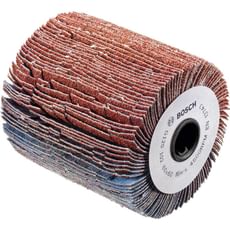
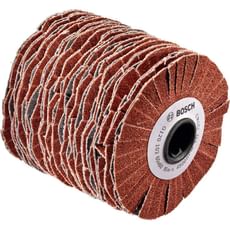
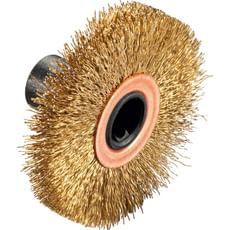
Sanding roller accessories are essential components and consumables designed to enhance the versatility and effectiveness of sanding roller machines. These specialised tools transform standard sanding rollers into precision finishing instruments capable of tackling diverse applications, from smoothing wooden louvered shutters to deburring metal profiles. The category encompasses a wide range of products including sanding sleeves in various grit grades, lamella abrasive flap wheels, conical sleeves for reaching angled surfaces, brass-coated brushes for rust removal, and sanding fleece sleeves for burnishing and polishing operations.
Sanding roller accessories are predominantly designed to fit specific machine models, with products from Bosch Professional and Bosch Home and Garden dominating the market for machines like the popular PRR 250 ES Sanding Roller. These accessories enable users to switch between aggressive material removal tasks and fine finishing work simply by changing the attachment. Quality sanding roller accessories significantly extend the capabilities of your base machine, making them a cost-effective investment for both professional tradespeople and serious DIY enthusiasts who demand professional-grade results.
The selection available at Tooled-Up.com includes everything from individual replacement sanding sleeves to multi-piece sets offering different grit grades for progressive sanding work. Understanding which accessories suit your specific applications—whether you're working with wood, metal, or composite materials—is crucial for achieving optimal results whilst maximising the lifespan of both your accessories and your sanding roller machine.
Jargon Buster
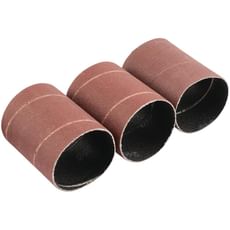
- Sanding Sleeve
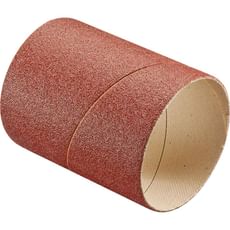
- A cylindrical abrasive attachment that slides over the sanding roller drum, available in various diameters (commonly 30mm, 60mm) and grit grades for different material removal rates and surface finishes.
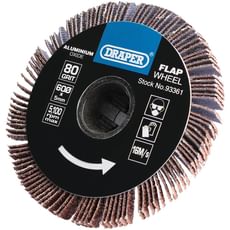
- Lamella Abrasive Flap Wheel
- A rotating accessory consisting of overlapping abrasive flaps arranged radially around a central hub, providing flexible contact with contoured surfaces and self-sharpening properties as outer layers wear away.
- Grit Grade
- A numerical rating indicating abrasive coarseness, with lower numbers (40-80 grit) representing aggressive cutting action for material removal, and higher numbers (120-240 grit) providing finer finishes for finishing work.
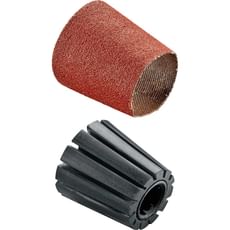
- Conical Sleeve
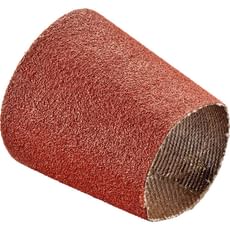
- A tapered sanding attachment designed specifically for accessing angled surfaces, louvered panels, and recessed areas where standard cylindrical sleeves cannot reach effectively.
- Burnishing
- A polishing process using non-woven abrasive fleece to create a smooth, lustrous finish on metal surfaces without removing significant material, ideal for preparing surfaces for coating or achieving decorative effects.
- Brass-Coated Brush
- A wire brush attachment with brass-coated bristles designed for removing rust, paint, and stubborn surface contaminants without scratching softer base metals underneath.
Who Uses Sanding Roller Accessories?
Sanding roller accessories serve a diverse range of professionals and applications across multiple trades:
- Joiners and Carpenters - for finishing spindle work, louvered doors, window shutters, and detailed woodwork
- Cabinet Makers - for sanding intricate furniture components, turned legs, and decorative mouldings
- Metal Fabricators - for deburring metal profiles, removing weld discolouration, and surface preparation
- Automotive Restoration Specialists - for rust removal, paint preparation, and finishing in confined spaces
- Shopfitters - for preparing and finishing retail fixtures, display units, and architectural woodwork
- Maintenance Engineers - for refurbishing machinery parts, cleaning metal components, and general surface preparation
- Restoration Professionals - for delicate work on antique furniture, wooden artefacts, and heritage metalwork
- DIY Enthusiasts - for home improvement projects involving detailed sanding and finishing work
How to Choose the Right Sanding Roller Accessories
Selecting appropriate sanding roller accessories requires consideration of several key factors to ensure compatibility and optimal performance:
Machine Compatibility: Always verify that accessories match your specific sanding roller model. The majority of products available from Tooled-Up are designed for the Bosch PRR 250 ES and similar machines. Check diameter specifications (typically 30mm or 60mm) and mounting systems before purchasing to avoid compatibility issues.
Material Type: Different materials demand specific accessories. Use coarser grit sanding sleeves (40-80 grit) for aggressive wood removal or heavy rust elimination, medium grits (100-120) for general smoothing work, and fine grits (150-240) for finishing. Brass-coated brushes excel at rust removal on metal without gouging, whilst sanding fleece sleeves provide superior results for burnishing and creating polished metal finishes.
Application Requirements: Consider the surface geometry you'll be working with. Conical sleeves are essential for louvered shutters and angled profiles, standard cylindrical sleeves suit straight surfaces and external curves, whilst lamella flap wheels provide flexibility for contoured work and self-adapt to irregular surfaces.
Grit Progression: Professional results often require working through progressive grit grades. Multi-piece sanding sleeve sets offer excellent value and ensure you have appropriate grits for sequential sanding from initial material removal through to final finishing.
Operational Efficiency: Consider purchasing accessories in sets rather than individually to reduce downtime during projects. Having multiple grits and sleeve types readily available allows seamless workflow transitions without stopping to source additional consumables.
Popular Accessories
To maximise the utility of your sanding roller and achieve professional results, consider these complementary products:
- Sanding Roller Machines - Bosch PRR 250 ES and similar 240v powered units
- Multi-Piece Sanding Sleeve Sets - offering varied grit grades for progressive sanding workflows
- Dust Extraction Systems - vacuum units and dust bags for cleaner working environments
- Safety Goggles and Face Shields - essential PPE for protecting against airborne particles
- Respiratory Protection - dust masks and respirators suitable for fine particulate matter
- Work Holding Devices - clamps and vices for securing workpieces during sanding operations
- Cleaning Brushes - for maintaining sleeve surfaces and removing loaded abrasive particles
- Measurement Tools - callipers and gauges for verifying dimensional accuracy during material removal
Safety Information
Working with sanding roller accessories requires adherence to proper safety protocols to protect against potential hazards:
Personal Protective Equipment: Always wear approved safety goggles or a face shield to protect against flying debris and abrasive particles. Respiratory protection is essential when sanding materials that produce fine dust, particularly when working with wood (potential for harmful dust under COSHH regulations), painted surfaces (potential lead content in older paints), or metals. Hearing protection should be worn during extended periods of operation, as sanding rollers can generate noise levels requiring protection under HSE guidelines.
Machine Operation: Ensure your sanding roller is disconnected from the 240v mains supply before changing accessories. Allow rotating components to come to a complete stop before approaching the work area. Verify that all accessories are correctly fitted and secure before powering on the machine. Never exceed the maximum speed ratings marked on accessories.
Work Environment: Maintain adequate ventilation in your workspace to prevent dust accumulation. Connect dust extraction equipment whenever possible to minimise airborne particulates. Keep your work area clean and free from combustible dust build-up, which presents a fire hazard. Ensure proper lighting to clearly see the work surface and avoid accidental contact with moving parts.
Material Considerations: Be aware that certain materials require specific precautions. Old painted surfaces may contain lead, metals can produce sharp fragments, and some woods generate allergenic or toxic dust requiring enhanced respiratory protection.
Frequently Asked Questions
What's the difference between sanding sleeves and flap wheels?
Sanding sleeves are rigid cylindrical attachments that maintain consistent diameter and provide uniform sanding across flat or gently curved surfaces. Lamella flap wheels feature flexible overlapping abrasive flaps that conform to irregular contours and self-sharpen as they wear, making them ideal for complex shapes and contoured workpieces. Sleeves excel at producing flat, even surfaces, whilst flap wheels offer superior versatility on three-dimensional forms.
How long do sanding roller accessories typically last?
Lifespan varies considerably based on material hardness, pressure applied, and grit grade used. Coarser grits (40-80) wear faster due to aggressive cutting but remove material quicker, whilst finer grits (150-240) last longer but work more slowly. Quality accessories like those from Bosch typically outlast economy alternatives by considerable margins. As a general guideline, a 60-grit sleeve might handle several square metres of softwood before requiring replacement, whilst brass brushes can last through numerous rust-removal projects with proper maintenance.
Can I use accessories from different manufacturers on my sanding roller?
Compatibility depends primarily on mounting diameter and fitment type rather than brand. Accessories designed for standard diameters (30mm, 60mm) will often fit multiple machine brands, but always verify dimensional specifications before purchasing. The extensive range at Tooled-Up includes products from Bosch and Draper, with clear compatibility information provided for each item. When in doubt, contact the technical team for guidance on cross-compatibility.
What grit should I use for removing old varnish from wood?
Start with 60-80 grit for initial varnish removal, which provides aggressive cutting without excessive wood removal. Progress to 120 grit to eliminate scratches left by the coarser abrasive, then finish with 180-240 grit for a smooth surface ready for refinishing. Using this progressive approach prevents the need for excessive sanding at finer grits, saving both time and accessories whilst achieving superior results.
Do I need special accessories for metal versus wood?
Yes, material-specific accessories optimise results and longevity. For wood, standard aluminium oxide sanding sleeves work excellently across all grit ranges. For metal work, consider brass-coated brushes for rust and paint removal without gouging the base metal, and sanding fleece sleeves for burnishing and creating polished finishes. Metal also benefits from slightly coarser initial grits than wood for effective material removal, typically starting around 60-80 grit for deburring and surface preparation.