

Sanding Rollers
Pay in 3 interest-free payments on purchases from £30-2000 with  . Learn more.
 Loading...
End of content
Error - No more pages to load
About Sanding Rollers
Sanding rollers are specialised power tools designed to tackle large, flat surface preparation tasks with exceptional speed and efficiency. Unlike traditional orbital or belt sanders, these innovative tools utilise a rotating cylindrical drum covered with abrasive paper to sand expansive areas such as floors, decking, and wide wooden surfaces. Their unique design allows operators to cover significantly more ground in less time, making them indispensable for flooring contractors, joiners, and anyone undertaking substantial renovation projects.
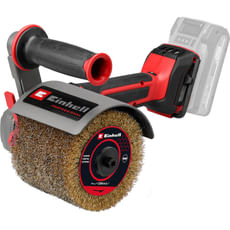
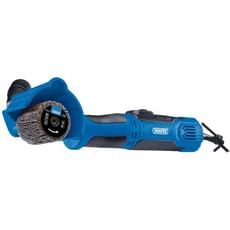
Modern sanding rollers available from Tooled-Up.com are offered in both corded electric and cordless battery-powered configurations, with leading manufacturers like Draper and Einhell Professional providing robust solutions for professional tradespeople. These tools typically feature variable speed control, adjustable sanding depth settings, dust extraction capabilities, and ergonomic handles for comfortable operation during extended use. The rotating drum action provides consistent, even sanding across the entire surface, reducing the risk of uneven patches or gouges that can occur with handheld sanders.
Whether you're preparing a wooden floor for refinishing, smoothing rough decking boards, or levelling large timber surfaces, a quality sanding roller delivers professional results whilst significantly reducing fatigue and project time compared to manual sanding methods or smaller power sanders. Professional models feature spindle locks for quick abrasive changes and dust guards to protect operators from debris during intensive sanding sessions.
Jargon Buster
- Brushless Motor: Advanced motor technology that eliminates carbon brushes, resulting in longer tool life, improved efficiency, and reduced maintenance requirements. Brushless motors run cooler and deliver more power from the same battery charge, making them ideal for demanding site work.
- Sanding Drum/Cylinder: The rotating cylindrical component around which abrasive paper or flap wheels are wrapped. Drum width determines the coverage area per pass, typically ranging from 200mm to 320mm on professional models available at Tooled-Up.
- Grit Rating: Numerical measurement of abrasive paper coarseness, with lower numbers (40-60) indicating coarse material removal and higher numbers (120-240) providing fine finishing. Selecting appropriate grit is crucial for optimal results on different timber species.
- Variable Speed Control: Feature allowing operators to adjust the drum rotation speed (typically measured in rpm) to suit different materials and applications. Lower speeds reduce heat build-up on sensitive surfaces, whilst higher speeds maximise material removal rates.
- Dust Extraction Port: Connection point for attaching a vacuum or dust extraction system, essential for maintaining visibility, protecting respiratory health, and complying with HSE workplace exposure limits for wood dust.
- Abrasive Flap Wheel: Circular sanding component consisting of multiple overlapping abrasive flaps radiating from a central hub. These provide consistent contact with irregular surfaces and conform better to contours than rigid abrasive sheets.
Who Uses Sanding Rollers?
Sanding rollers are essential equipment for a diverse range of professionals and enthusiasts:
- Flooring Contractors: Specialists who rely on these tools for efficiently preparing and refinishing wooden floors, parquet, and floorboards across residential and commercial properties.
- Joiners and Carpenters: Tradespeople working with large timber surfaces, bespoke furniture pieces, and architectural woodwork requiring smooth, even finishes before staining or varnishing.
- Decking Installers: Professionals who use sanding rollers to refresh weathered decking, remove splinters, and prepare surfaces for staining or sealing treatments in garden and outdoor projects.
- Renovation Contractors: General builders tackling property refurbishment projects involving extensive timber surface preparation, particularly in heritage restoration work.
- Boat Builders and Restorers: Marine craftspeople working with large wooden hull sections and deck areas requiring smooth finishes resistant to marine environments.
- Shopfitters: Professionals installing and finishing wooden retail displays, counters, and fixtures in commercial premises where presentation is paramount.
- Serious DIY Enthusiasts: Homeowners undertaking ambitious renovation projects, particularly those involving floor restoration, decking maintenance, or furniture restoration.
- Property Maintenance Teams: Facilities managers responsible for maintaining wooden surfaces in schools, offices, and public buildings to meet health and safety standards.
How to Choose the Right Sanding Rollers
Power Source: Consider whether a corded electric or cordless battery-powered model best suits your requirements. Corded models like the Draper SR310D offer continuous power for extended sessions without battery concerns, ideal for workshop environments with readily available 240v supply. Cordless options such as the Einhell Professional 18v models provide unmatched portability for site work, outdoor decking projects, or locations without convenient electrical access.
Drum Width and Sanding Area: Larger sanding drums cover more surface area per pass, significantly reducing project completion time. Professional models typically feature adjustable sanding areas between 5mm and 60mm depth. Consider the typical size of projects you'll undertake when selecting drum width—larger commercial flooring jobs benefit from maximum width, whilst detailed furniture work may require more precise control.
Speed Control: Variable speed functionality allows operators to adjust performance based on material hardness and finish requirements. Models offering speed ranges between 1600-3000rpm provide versatility for working with different timber species, from soft pine to hardwood oak flooring.
Build Quality and Weight: Professional-grade tools from established manufacturers like Draper and Einhell Professional incorporate superior components and more robust construction. Weight considerations are important—lighter models (around 2kg) reduce operator fatigue during extended overhead or vertical work, whilst heavier units may provide better downward pressure on horizontal surfaces.
Dust Management: Effective dust extraction capabilities are crucial for maintaining clear visibility, protecting respiratory health, and complying with COSHH workplace exposure limits. Check compatibility with your existing vacuum system or consider models with integrated dust extraction ports and spark deflectors for comprehensive debris control.
Ergonomics and Control Features: Evaluate handle design, spindle lock mechanisms for quick abrasive changes, and overall balance. Professional models should feature comfortable grips, easily accessible controls, and secure spindle locking for efficient workflow during demanding site conditions.
Popular Accessories
- Replacement Abrasive Flap Wheels: Essential consumables available in various grit ratings from coarse (40-60 grit) for heavy stock removal through to fine (120-240 grit) for finishing work. Always maintain adequate stocks of commonly used grits in different drum sizes.
- Spare Batteries and Chargers: For cordless models, additional high-capacity lithium-ion battery packs ensure uninterrupted workflow on site. Fast chargers minimise downtime between battery swaps on larger projects.
- Dust Extraction Hoses and Adaptors: Connectors enabling compatibility between your sanding roller and various vacuum hose diameters, ensuring effective dust management across different extraction systems and maintaining HSE compliance.
- Protective Carrying Cases: Purpose-designed storage solutions protect your investment during transportation and site storage, preventing damage to adjustment mechanisms, motor housings, and delicate speed control electronics.
- Abrasive Paper Sheets and Rolls: Bulk supplies of sandpaper in various grit ratings for models that accept sheet or roll formats rather than flap wheels, offering cost-effective options for high-volume professional use.
- Replacement Spindles and Drums: Spare drums and spindle components enable quick changeovers between grit ratings or replacement of worn components without workshop downtime or tool failure on critical projects.
- Safety Equipment: Respiratory protection including P2-rated dust masks or powered respirators, safety glasses, hearing protection, and close-fitting work gloves designed for power tool operation.
Safety Information
Personal Protective Equipment: Always wear appropriate respiratory protection—at minimum a P2-rated dust mask, though powered respirators offer superior protection during extended use. Safety glasses or a full face shield prevent debris entering eyes. Hearing protection is advisable as sanding rollers generate significant noise levels during operation, particularly at higher rpm settings. Wear close-fitting clothing to avoid entanglement with rotating drums and moving components.
Dust Control and COSHH Compliance: Wood dust is classified as a hazardous substance under COSHH regulations. Always connect appropriate dust extraction equipment rated for fine particulates before commencing work. Ensure adequate ventilation in enclosed spaces and regularly empty dust collection systems to maintain extraction efficiency. Professional users must conduct risk assessments and implement appropriate control measures to protect workers and comply with HSE guidance on workplace exposure limits.
Electrical Safety: Inspect power cables before each use, checking for cuts, abrasions, or exposed conductors. Use RCD protection (residual current device) with corded 240v models, particularly on construction sites or outdoor locations where moisture may be present. Ensure cordless batteries are manufacturer-approved and correctly charged using designated chargers to prevent fire risk.
Surface Preparation: Remove all protruding nails, screws, or metal fixings before sanding to prevent damage to abrasive papers, potential sparking, and tool damage. Check for concealed cables or pipes beneath flooring surfaces before commencing work. Use cable detectors when working on existing installations to avoid cutting through hidden services.
Proper Technique: Never force the tool—allow the drum weight and rotation to do the work at the selected speed setting. Maintain firm, controlled grip throughout operation using both hands on designated handles. Keep stable footing on even surfaces and avoid overreaching. Allow the tool to reach full operating speed before applying to the workpiece, and lift clear before switching off to prevent gouging.
Frequently Asked Questions
What's the difference between a sanding roller and a traditional floor sander?
Sanding rollers are more portable, lightweight tools designed for surface preparation and moderate material removal on various surfaces including decking and furniture. Traditional drum floor sanders are larger, more powerful machines specifically engineered for aggressive floorboard levelling and professional floor refinishing. Sanding rollers typically weigh around 2-3kg and excel at decking, furniture surfaces, and light floor refreshing, whilst floor sanders tackle heavy-duty flooring projects requiring substantial material removal across large rooms.
Can I use a sanding roller on decking?
Absolutely—sanding rollers are excellent for decking maintenance and restoration. They efficiently remove weathered surface layers, splinters, and rough patches whilst providing even coverage across deck boards. Use coarser grits (60-80) for initial passes on heavily weathered timber, progressing to finer grits (100-120) for smooth finishes ready for staining or sealing treatments. The portability of cordless models makes them particularly suited to outdoor decking work.
How often should I change the abrasive flap wheels?
Replace abrasive flap wheels when you notice reduced cutting efficiency, increased pressure required for material removal, or visible wear and clogging. Frequency depends on surface hardness, material being removed, and grit coarseness. Generally, coarser grits last longer than fine finishing wheels. Working with softwoods extends wheel life compared to hardwoods, painted surfaces, or materials with high resin content that can clog abrasives quickly.
Are cordless sanding rollers powerful enough for professional use?
Modern cordless models featuring brushless motors and high-capacity lithium-ion batteries deliver professional-grade performance suitable for demanding site work. The Einhell Professional 18v range exemplifies this, offering comparable power to corded equivalents whilst eliminating cable management challenges. However, maintain spare batteries for uninterrupted workflow on larger projects, and consider that corded models like the 310W Draper SR310D may offer more consistent power for extended workshop sessions.
Do I need to connect dust extraction?
Whilst not always physically mandatory, dust extraction is strongly recommended and often legally required under COSHH workplace regulations for professional users. Wood dust presents serious respiratory hazards with long-term exposure and is classified as a potential carcinogen. Extraction systems also dramatically improve visibility of the work surface, reduce cleanup time, and prevent dust settling on freshly sanded surfaces requiring further finishing treatments. All professional-grade models include dust extraction ports for this purpose.