

Sanding Rolls

Pay in 3 interest-free payments on purchases from £20-£3000 with  . Learn more.

 Loading...
End of content
Error - No more pages to load
About Sanding Rolls
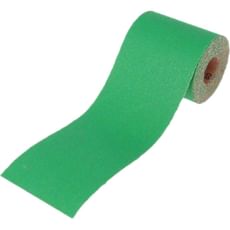
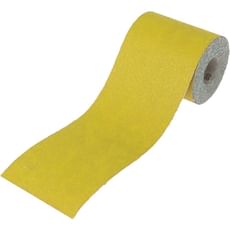
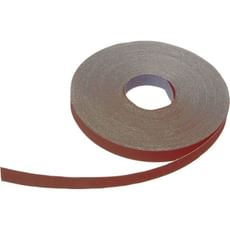
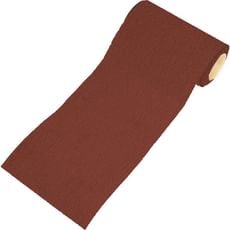
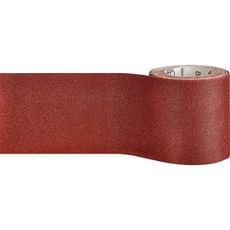
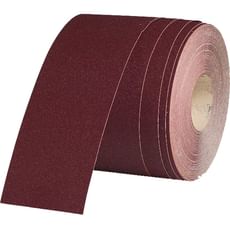
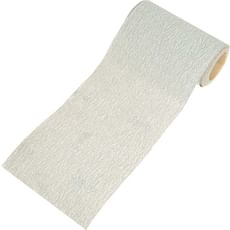
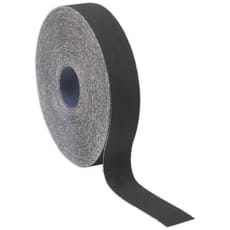
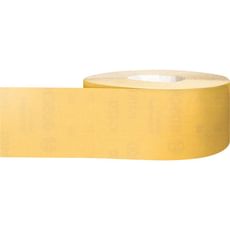
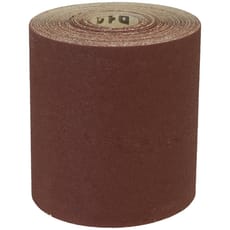
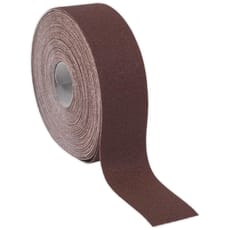
Sanding rolls are versatile abrasive materials supplied in continuous roll format, offering excellent value and flexibility for professionals and DIY enthusiasts who need to cut custom-sized sanding sheets for specific applications. Unlike pre-cut sandpaper sheets, rolls allow users to tear off exactly the right length for the job at hand, reducing waste and providing cost-effective solutions for high-volume sanding tasks. Available in various abrasive materials including aluminium oxide, silicon carbide, and modern mesh formats, these rolls deliver consistent performance across wood, metal, painted surfaces, and composite materials.
The selection at Tooled-Up.com includes premium options from leading manufacturers such as Bosch Professional, Faithfull, Flexovit, and Sealey, each engineered for specific materials and applications. Professional-grade sanding rolls feature different backing materials including paper, cloth, and mesh, with the backing type significantly affecting durability and flexibility. Cloth-backed rolls offer superior tear resistance for demanding applications, whilst paper-backed options provide economical solutions for lighter work. Mesh abrasive rolls represent the latest technology, featuring open weave construction that resists clogging and extends working life, particularly when sanding painted surfaces or materials that generate fine dust.
Graded by grit size from coarse to ultra-fine, sanding rolls enable tradespeople to progress through multiple stages of surface preparation and finishing using a single convenient format. Coarse grits (40-80) rapidly remove material and level surfaces, medium grits (100-150) prepare surfaces for finishing, whilst fine grits (180-400+) deliver smooth, paint-ready surfaces. The generous length of material on each roll makes them ideal for contractors working across multiple sites, vehicle refinishers preparing panels, and workshop professionals who demand consistent results without frequent product changes.
Jargon Buster
- Aluminium Oxide: A versatile synthetic abrasive grain ideal for sanding wood, metal, and painted surfaces. Offers excellent durability and consistent cutting action, making it the most popular choice for general-purpose applications.
- Silicon Carbide: A harder, sharper abrasive grain particularly effective on stone, glass, fibreglass, and hard coatings. Features friable characteristics that create fresh cutting edges during use, maintaining aggressive cutting action on tough materials.
- Grit Rating: The numerical classification indicating abrasive particle size, where lower numbers (40-60) represent coarse grits for heavy material removal, and higher numbers (220-400+) indicate fine grits for finishing work and surface preparation before coating.
- Backing Weight: The thickness and strength of the paper or cloth substrate supporting the abrasive grains. Heavier backing provides increased durability for aggressive sanding, whilst lighter backing offers greater flexibility for contoured surfaces.
- Open Coat: An abrasive pattern where grains cover approximately 50-70% of the backing material, leaving spaces between particles. This design reduces clogging when sanding resinous woods, painted surfaces, or materials that generate sticky dust.
- Mesh Abrasive: Modern abrasive technology featuring grains bonded to an open mesh backing, allowing dust extraction through the material itself. Significantly extends working life and delivers superior dust control when used with extraction equipment.
Who Uses Sanding Rolls?
- Painters and Decorators: Surface preparation between coats and flatting painted surfaces
- Joiners and Carpenters: Finishing furniture, cabinetry, and architectural woodwork
- Vehicle Body Repairers: Preparing panels for primer and topcoat application
- Floor Fitters: Hand-sanding edges and detail areas after machine sanding
- Maintenance Engineers: Cleaning corrosion and preparing metal surfaces for coating
- Boat Builders: Working with fibreglass, gelcoat, and marine coatings
- Furniture Restorers: Stripping and refinishing antique and vintage pieces
- Shopfitters: Preparing joinery and decorative elements on site
- DIY Enthusiasts: Home improvement projects requiring flexible sanding solutions
How to Choose the Right Sanding Rolls
Material Compatibility: Match the abrasive type to your workpiece material. Aluminium oxide works brilliantly for wood and metal, whilst silicon carbide excels on stone, composites, and hard coatings. Tooled-Up stocks specialist formulations like Bosch's Best for Coatings range for specific demanding applications.
Backing Material: Paper backing suits lighter applications and provides economy for high-consumption tasks. Cloth backing offers superior durability and tear resistance for aggressive work or when wrapping around blocks and profiles. Consider mesh abrasives for extended life and superior dust extraction performance.
Grit Progression: Plan your grit sequence before purchasing. Start with coarse grits (40-80) for material removal, progress through medium grits (100-150) for levelling, and finish with fine grits (180-320+) for coating preparation. Many professionals keep multiple rolls in stock to avoid workflow interruptions.
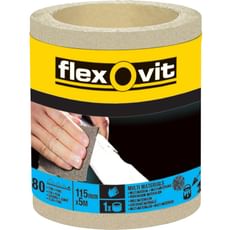
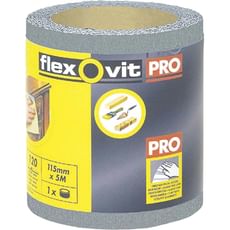
Roll Width and Length: Common widths include 115mm for standard applications and 50mm for detail work. Longer rolls (typically 5-50 metres) offer better value for professional users, whilst shorter lengths suit occasional use. Consider your typical job requirements to optimise cost-effectiveness.
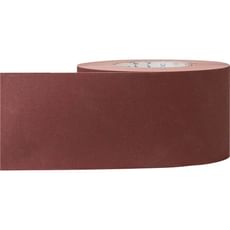
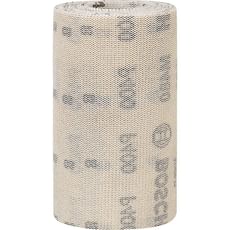
Open vs Closed Coat: Open coat designs resist clogging when working with resinous woods, paint, or varnish. Closed coat provides maximum cutting aggression on bare wood and metal. The Bosch Expert M480 Net range available from Tooled-Up.com represents the ultimate anti-clog solution with mesh construction.
Popular Accessories
- Sanding Blocks: Rubber, cork, or foam blocks for hand-sanding flat surfaces with consistent pressure
- Orbital Sanders: Power sanders that accept custom-cut sheets from rolls for faster material removal
- Detail Sanders: Compact sanders for edges, corners, and intricate profiles
- Dust Extraction Systems: Vacuums and extractors to maintain clean working environments and protect respiratory health
- Sanding Frames: Hand-held frames that tension abrasive sheets for efficient flat sanding
- Safety Goggles and Dust Masks: Essential PPE for protecting eyes and lungs from airborne particles
- Tack Cloths: Sticky cloths for removing sanding dust before coating application
- Work Gloves: Protective gloves to reduce hand fatigue during extended sanding sessions
Safety Information
Always wear appropriate respiratory protection when sanding, as airborne dust presents serious health risks regardless of material type. Comply with COSHH regulations by using adequate dust extraction or working in well-ventilated areas. Wood dust, particularly from hardwoods and MDF, is classified as a carcinogen requiring proper control measures.
Wear safety goggles to protect eyes from flying particles, and use hearing protection when operating power sanders for extended periods. Inspect sanding rolls before use for contamination or damage that could scratch workpieces. When hand-sanding, use proper blocks or backing pads to prevent hand injuries and ensure even pressure distribution.
Store sanding rolls in dry conditions away from moisture, which can degrade backing materials and reduce effectiveness. Keep rolls away from heat sources that might affect adhesive bonds. Dispose of used abrasive materials responsibly, being aware that dust-laden sheets may present fire risks if contaminated with finishing products. Always follow HSE guidance for abrasive operations in professional workshop environments.
Frequently Asked Questions
What grit should I start with for bare wood?
For initial smoothing of planed timber, start with 80-100 grit, then progress to 120-150 grit for general preparation. Finish with 180-240 grit before applying stain or clear coatings. For rough-sawn timber, begin with 60-80 grit to remove saw marks efficiently.
How much sanding roll do I need for a typical project?
A 5-metre roll typically provides 20-40 standard sheet equivalents depending on width and how economically you cut pieces. Professional decorators often use 2-3 metres per room for preparation work between coats. Larger restoration projects may require 10+ metres across various grits.
Can I use sanding rolls with my orbital sander?
Absolutely. Simply cut the roll to match your sander's pad size, either freehand or using the old sheet as a template. Hook-and-loop (Velcro) sanders require adhesive-backed rolls or separate attachment systems, whilst clamp-style sanders accept plain-backed sheets cut from standard rolls.
What's the advantage of mesh abrasives over traditional paper?
Mesh abrasives like the Bosch Expert M480 Net range offer dramatically extended life—often 2-3 times longer than conventional abrasives. The open mesh structure allows dust to pass through rather than clogging the surface, maintaining consistent cutting action and working particularly well with extraction systems.
How should I store unused portions of sanding rolls?
Keep rolls in their original packaging or wrap loosely in paper, storing horizontally in a dry location away from temperature extremes. Avoid crushing or bending tightly, which can crack backing materials. Properly stored rolls remain effective for several years, though adhesive bonds on pre-glued products may deteriorate over time.