
Sanding & Wire Wool

Pay in 3 interest-free payments on purchases from £20-£3000 with  . Learn more.
Loading...
End of content
Error - No more pages to load
About Sanding & Wire Wool
Sanding and wire wool products form the backbone of surface preparation and finishing across countless trade and DIY applications. From initial rough sanding to ultra-fine finishing work, the right abrasive materials make the difference between professional results and substandard surfaces. Whether preparing timber for varnishing, smoothing plasterwork between coats, removing rust from metalwork, or achieving glass-smooth paint finishes, Tooled-Up.com stocks a comprehensive range of sanding solutions to suit every task and material type.
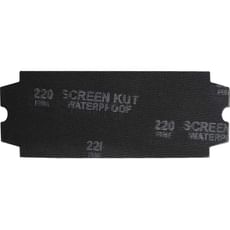
The diversity within this category reflects the varied demands of modern surface preparation work. Traditional aluminium oxide sandpaper remains the workhorse for general woodworking, whilst silicon carbide papers excel on harder materials and wet applications. Emery cloth provides flexibility for curved metal surfaces, and wire wool offers gentle abrasion for finishing and wax application. Specialist products like floor sanding sheets handle large-scale renovation work, whilst sanding blocks and pole sanders provide the backing and reach required for flat, consistent results.
Understanding grit ratings, backing materials, and abrasive types ensures you select the most effective product for each stage of your project. Coarse grits remove material quickly during initial preparation, medium grits smooth surfaces and remove scratches, whilst fine and ultra-fine grades create the polished finishes expected in professional work. The selection at Tooled-Up includes rolls for custom sizing, pre-cut sheets for hand sanding, and specialist formats for machine applications.
Jargon Buster
- Grit Rating: A numerical system indicating abrasive particle size. Lower numbers (40-80) represent coarse grits for heavy material removal, medium grits (100-150) for general sanding, and higher numbers (180-400+) for fine finishing work. The rating corresponds to the number of abrasive particles per square inch.
- Aluminium Oxide: A synthetic abrasive material offering excellent durability and cutting performance on wood, painted surfaces, and soft metals. The most common abrasive type for general-purpose woodworking and represents good value for money.
- Silicon Carbide: A harder, sharper abrasive than aluminium oxide, particularly effective on harder materials including metals, glass, plastics, and for wet sanding applications. Often appears dark grey or black in colour.
- Open Coat vs Closed Coat: Open coat papers have abrasive particles covering 50-70% of the backing, reducing clogging when sanding resinous woods or paint. Closed coat papers feature complete coverage for faster cutting on hardwoods and metals.
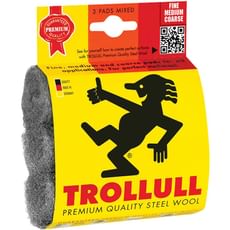
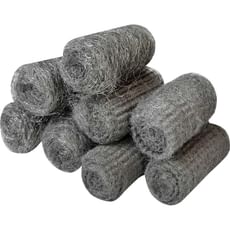
- Wire Wool Grade: Ranging from coarse grade 4 through to ultra-fine grade 0000, with finer grades used for finishing, wax application, and polishing rather than material removal.
- Backing Weight: Indicates paper thickness and flexibility. 'A' weight offers maximum flexibility for contours, whilst 'E' weight provides rigid backing for flat surfaces and machine sanding.
Who Uses Sanding & Wire Wool?
- Carpenters & Joiners: Preparing timber components, smoothing joints, and achieving finish-ready surfaces before staining or varnishing
- Painters & Decorators: Surface preparation between coats, flatting gloss finishes, and achieving key on previously painted surfaces
- Cabinet Makers & Furniture Restorers: Fine finishing work requiring progression through multiple grit grades for exhibition-quality results
- Floor Fitters & Sanders: Large-scale sanding operations using specialist floor sanding sheets with heavy-duty machines
- Motor Vehicle Technicians: Rust removal, paint preparation, and finishing work on automotive bodywork and components
- Metalworkers & Fabricators: Deburring, surface preparation for welding, and finishing metal components
- Plumbers: Preparing pipework for soldering and removing corrosion from fittings
- Maintenance Engineers: General surface preparation, rust removal, and refurbishment work across facilities
- DIY Enthusiasts: Home improvement projects including furniture restoration, decoration preparation, and craft work
How to Choose the Right Sanding & Wire Wool
Match Abrasive Type to Material: Aluminium oxide works excellently on wood and painted surfaces, silicon carbide suits harder materials and wet applications, emery cloth flexes around metalwork curves, and glass paper provides economical general-purpose sanding. Understanding material compatibility prevents premature abrasive breakdown and ensures efficient material removal.
Select Appropriate Grit Progression: Never jump too many grit levels in a single step. Start with the coarsest grit needed to remove imperfections (typically 60-80 for rough timber, 120 for previously finished work), then progress through each grade (80-120-180-240) to eliminate scratches from the previous grit. Skipping grades leaves visible scratch patterns that finer grits cannot remove efficiently.
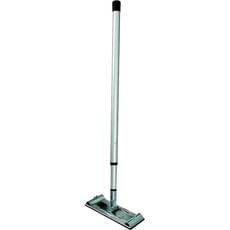
Consider Format and Backing: Sheets suit hand sanding and small areas, rolls allow custom sizing for awkward shapes, and sanding blocks provide flat backing for consistent results. Lightweight backing offers flexibility for curved surfaces, whilst heavier backing resists tearing during aggressive sanding. Pole sanders extend reach for ceilings and upper walls without ladders.
Assess Wet vs Dry Requirements: Standard papers suit dry sanding, but wet and dry silicon carbide papers used with water or lubricant prevent clogging when sanding paint, filler, or resinous materials. The lubricant washes away particles and reduces dust, particularly valuable for fine finishing work.
Factor in Clogging Potential: Resinous softwoods, paint, and varnish rapidly clog closed coat papers. Open coat formats with anti-clog additives (often zinc stearate) maintain cutting performance longer when working with sticky materials, reducing paper consumption and improving cost-effectiveness.
Popular Accessories
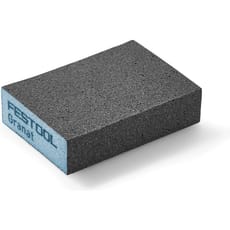
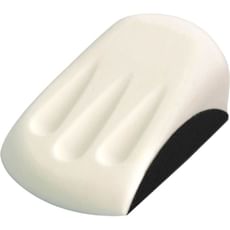
- Sanding Blocks & Backing Pads: Cork, rubber, or foam blocks that provide firm, flat backing for hand sanding and prevent finger grooves in workpieces
- Detail Sanders & Palm Sanders: 240v powered sanders from brands including Makita, Bosch, and DeWalt for efficient machine sanding
- Dust Extraction Systems: Workshop vacuum systems and dust bags that connect to power sanders, essential for maintaining clean, HSE-compliant working environments
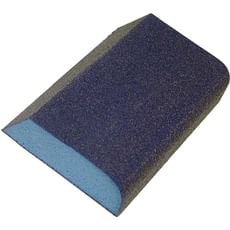
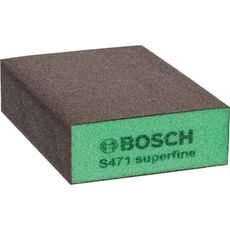
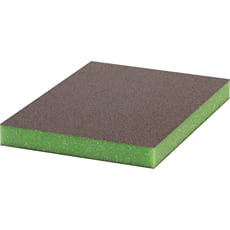
- Sanding Sponges: Flexible foam blocks with bonded abrasive for curved surfaces and detail work
- Tack Cloths: Resin-impregnated cloths that remove sanding dust before applying finishes
- Respirator Masks & Dust Masks: Essential PPE for protection against fine dust particles during sustained sanding operations
- Work Gloves: Protect hands during extended sanding sessions whilst maintaining feel and control
- White Spirit & Cleaning Solutions: For lubricating wet and dry papers and cleaning between finishing stages
Safety Information
Respiratory Protection: Sanding generates fine airborne particles that pose serious respiratory hazards. Always wear appropriate dust masks or respirators meeting HSE standards, particularly when sanding MDF, hardwoods, painted surfaces, or materials potentially containing lead paint. Adequate ventilation remains essential even when wearing respiratory protection.
Dust Control: Where practical, use dust extraction equipment connected to power sanders to capture particles at source. COSHH regulations require employers to control dust exposure in workplace environments. Regular housekeeping prevents dust accumulation that creates secondary exposure when disturbed.
Eye Protection: Safety glasses or goggles prevent dust and debris entering eyes during sanding operations. This becomes particularly important during overhead work or when using power sanders.
Wire Wool Precautions: Steel wire wool fragments can cause splinters and skin irritation. Wear protective gloves when handling coarser grades. Never use wire wool near naked flames or hot work as the fine steel particles are highly flammable. Dispose of used wire wool carefully as residual finish products may spontaneously combust.
Lead Paint Awareness: Properties built before 1970 may contain lead-based paints. If sanding pre-1970 painted surfaces, assume lead presence until testing proves otherwise. Specialist precautions including containment, HEPA filtration, and disposal procedures apply when working with lead paint.
Frequently Asked Questions
What grit sandpaper should I use for bare wood?
Start with 80-grit for initial smoothing of rough-sawn timber or 120-grit for planed timber. Progress through 150-grit then finish with 180 or 240-grit before applying stain or varnish. Hardwoods benefit from finishing at 240-grit or finer, whilst softwoods rarely require grits above 180 unless applying clear finishes where surface quality shows prominently.
Can I use normal sandpaper wet?
No. Standard sandpaper backing materials disintegrate when wet, and most abrasives lose effectiveness with water. Only silicon carbide papers specifically designated as "wet and dry" should be used with water or lubricants. These feature waterproof backing and abrasives that maintain performance when wet.
What's the difference between emery cloth and sandpaper?
Emery cloth uses a flexible fabric backing rather than paper, making it ideal for curved metal surfaces, pipework, and applications requiring conformability. The cloth backing resists tearing better than paper when working on edges and irregular shapes. Emery cloth typically suits metalwork, whilst paper-backed products suit woodwork and flat surfaces.
Which wire wool grade should I use for finishing?
Grade 0000 (four-ought) provides the finest finish for applying wax, polishing between varnish coats, or achieving satin finishes on timber. Grade 000 suits general finishing work, whilst grade 00 offers light abrasion for paint preparation. Coarser grades (0, 1, 2) remove paint and rust rather than finishing.
Why does my sandpaper clog so quickly?
Resinous timber, paint, varnish, and filler contain sticky substances that rapidly load abrasive surfaces. Switch to open coat papers with anti-clog additives, use lighter pressure allowing abrasive particles to cut rather than generate heat, or consider wet sanding where appropriate. Cleaning papers periodically with a stiff brush extends usable life for certain materials.