

Satin Aerosol Paint

Pay in 3 interest-free payments on purchases from £20-£3000 with  . Learn more.
 Loading...
End of content
Error - No more pages to load
About Satin Aerosol Paint
Satin aerosol paint offers a versatile finishing solution that bridges the gap between matt and gloss, delivering a subtle sheen that's ideal for both professional projects and DIY applications. This type of spray paint provides excellent coverage whilst maintaining a refined, low-lustre appearance that works beautifully on metal, wood, and plastic surfaces. The convenient aerosol format ensures quick, even application without the need for brushes, rollers, or specialised spraying equipment, making it perfect for on-site work or workshop finishing.
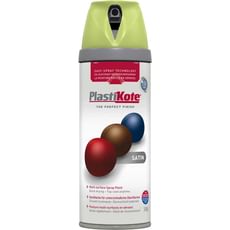
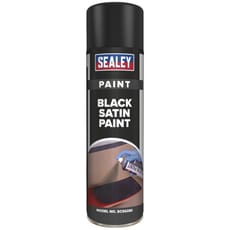
Tooled-Up.com stocks satin aerosol paint from trusted manufacturers including Draper, Plastikote, Rust Oleum, and Sealey, each offering fast-drying formulations with enhanced durability and superior colour retention. These professional-grade products are designed to withstand the rigours of everyday use, providing high resistance to fading, chipping, and wear. Whether you're refurbishing machinery, updating furniture, or finishing metalwork projects, satin aerosol paint delivers consistent results with minimal preparation and application time.
The satin finish has become increasingly popular amongst tradespeople and enthusiasts alike because it effectively hides minor surface imperfections whilst still reflecting light enough to showcase the quality of the underlying work. Unlike high-gloss finishes that can highlight every flaw, or matt finishes that can appear flat and lifeless, satin aerosol paint strikes the perfect balance – offering a contemporary, professional appearance that's easier to maintain and touch up when needed.
Jargon Buster
- Satin Finish: A paint sheen level that sits between matt and gloss, typically reflecting 25-35% of light. Provides a subtle lustre without appearing overly shiny, making it ideal for projects requiring a modern, refined appearance.
- Coverage Rate: The area that can be painted with a single aerosol can, usually measured in square metres. Typical 400ml aerosol cans cover approximately 1-2 square metres depending on surface porosity and application technique.
- Recoat Time: The minimum period you must wait before applying a second coat of paint. Satin aerosol paints typically allow recoating within 15-30 minutes, though full cure time may be considerably longer.
- Adhesion: The paint's ability to bond securely to the substrate surface. Quality satin aerosol paints offer excellent adhesion to properly prepared surfaces, reducing the risk of flaking or peeling.
- VOC Content: Volatile Organic Compounds – chemicals that evaporate during paint application and curing. Modern formulations available at Tooled-Up comply with UK and EU regulations limiting VOC content for environmental and health reasons.
- Priming: The process of applying a preparatory coating to improve paint adhesion and coverage. Whilst many satin aerosol paints work directly on clean surfaces, priming is recommended for bare metal, porous woods, or challenging materials.
Who Uses Satin Aerosol Paint?
- Metal Fabricators and Welders: For finishing custom metalwork, gates, railings, and structural components with a durable, professional appearance
- Vehicle Restorers: Refinishing automotive parts, chassis components, and engine bay details where a subtle sheen is preferred over high gloss
- Maintenance Engineers: Touch-up work on machinery, equipment housings, and industrial fixtures requiring quick-drying, hardwearing finishes
- Carpenters and Joiners: Finishing wooden furniture, joinery items, and architectural features where a contemporary satin look is specified
- Shopfitters and Interior Designers: Creating bespoke finishes on retail fixtures, display units, and interior metalwork
- Property Maintenance Professionals: Refreshing window frames, doors, railings, and architectural metalwork in residential and commercial properties
- DIY Enthusiasts: Home improvement projects including furniture upcycling, garden furniture restoration, and general refurbishment work
- Sign Makers: Creating durable finishes on signage substrates and decorative lettering
How to Choose the Right Satin Aerosol Paint
Surface Compatibility: Verify that your chosen product adheres to your substrate material. Most satin aerosol paints work well on metals, woods, and plastics, but specific formulations like Rust Oleum CombiColor are specially optimised for metal surfaces. Always check the manufacturer's specifications for compatibility with your particular material.
Colour Selection: Black remains the most popular choice for its versatility and professional appearance, but consider whether additional colours are available in your chosen brand if matching existing finishes is important. Some ranges offer multiple colour options whilst others focus on classic neutrals.
Drying Time: Fast-drying formulations allow multiple coats in quick succession and reduce the risk of dust contamination. If you're working on site or in dusty environments, prioritise products with rapid touch-dry times of 15-20 minutes.
Durability Requirements: For exterior applications or high-traffic areas, select products specifically formulated for enhanced durability and fade resistance. Premium options from manufacturers like Plastikote and Rust Oleum offer superior weather resistance and longevity compared to economy alternatives.
Application Method: Consider products with innovative nozzle designs for improved spray patterns and reduced finger fatigue. Some ranges feature twist-and-spray mechanisms or comfort grips that make extended spraying sessions more comfortable.
Can Size: Standard 400ml aerosol cans suit most projects, but calculate your coverage requirements beforehand to ensure you purchase sufficient quantities. Running out mid-project can result in visible colour variations between batches.
Popular Accessories
- Aerosol Spray Can Handles: Trigger-grip attachments that reduce finger fatigue during extended spraying sessions and provide better control
- Masking Tape and Paper: Essential for protecting adjacent surfaces and creating clean, professional edge lines
- Surface Preparation Products: Wire brushes, sandpaper, and degreasing agents for proper surface preparation before painting
- Primer Sprays: Matching aerosol primers to improve adhesion and coverage, particularly on bare metal or challenging surfaces
- Clear Lacquer Topcoats: Additional protection layers that enhance durability and provide extra resistance to scratches and weathering
- Respirator Masks: Appropriate respiratory protection for spray painting in enclosed spaces or during extended application work
- Drop Cloths and Plastic Sheeting: Protecting work areas from overspray and paint drift
- Replacement Spray Nozzles: Different spray patterns for varied application requirements
Safety Information
Aerosol paints are pressurised containers containing flammable solvents and require careful handling in accordance with HSE guidelines. Always work in well-ventilated areas or use appropriate respiratory protection conforming to EN149 standards when spraying indoors. Keep aerosols away from heat sources, naked flames, and hot surfaces – never spray near ignition sources or in areas with temperatures exceeding 50°C.
Wear appropriate personal protective equipment including safety glasses or goggles to protect against airborne particles, and consider using gloves to prevent skin contact with solvents. Ensure adequate ventilation during application and curing periods, as VOCs can accumulate in confined spaces. Store aerosol cans upright in cool, dry locations away from direct sunlight and ensure they're kept out of reach of children.
Never puncture or incinerate aerosol cans, even when empty. Follow COSHH regulations regarding the handling and disposal of aerosol paint products, and consult your local authority regarding proper disposal methods. Read all product labels and safety data sheets before use, paying particular attention to surface preparation requirements and recommended protective equipment for your specific application.
Frequently Asked Questions
Do I need to prime surfaces before applying satin aerosol paint?
Whilst many satin aerosol paints offer good adhesion to clean, prepared surfaces, priming is recommended for bare metal, porous woods, and plastics. Priming improves coverage, enhances adhesion, and can reduce the number of topcoats required. For previously painted surfaces in good condition, thorough cleaning and light sanding is usually sufficient. Rust Oleum and similar premium products often include enhanced adhesion properties that may eliminate priming on certain substrates.
How many coats of satin aerosol paint do I need?
Most projects require 2-3 light coats for optimal coverage and durability. Applying multiple thin coats produces superior results compared to single heavy applications, which can cause runs, sags, and extended drying times. Allow each coat to dry according to the manufacturer's recoat time – typically 15-30 minutes for satin aerosol paints – before applying subsequent layers. Final finish quality depends on proper surface preparation and consistent application technique.
What's the difference between satin and gloss aerosol paint?
Satin finishes reflect approximately 25-35% of light, creating a subtle sheen that's elegant yet understated. Gloss finishes reflect 70-85% of light, producing a high-shine, mirror-like appearance. Satin finishes are more forgiving of surface imperfections, easier to maintain, and less likely to show fingerprints or minor scratches. They're ideal for modern, professional applications where a refined appearance is preferred over high-gloss shine.
Can satin aerosol paint be used outdoors?
Quality satin aerosol paints from the Tooled-Up range are formulated with enhanced durability and UV resistance suitable for exterior applications. Products like Rust Oleum CombiColor offer excellent weather resistance and colour stability. However, exterior performance depends on proper surface preparation, adequate coating thickness, and appropriate substrate selection. For maximum longevity in harsh outdoor environments, consider applying a compatible clear topcoat for additional protection.
How should I prepare surfaces before spray painting?
Thorough surface preparation is crucial for professional results. Clean surfaces to remove dirt, grease, and contaminants using appropriate degreasers. Remove loose paint, rust, or corrosion with wire brushes or sandpaper. Lightly sand glossy surfaces to provide a key for paint adhesion. Ensure surfaces are completely dry before painting. For metals, consider using a dedicated metal primer; for woods, fill any holes or cracks and sand smooth. Proper preparation significantly improves adhesion, coverage, and finish durability.