

Satin Varnish
Pay in 3 interest-free payments on purchases from £30-2000 with  . Learn more.
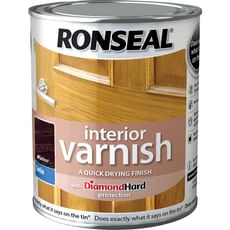
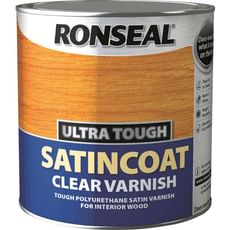
 Loading...
End of content
Error - No more pages to load
About Satin Varnish
Satin varnish provides a subtle, low-sheen finish that sits perfectly between matt and gloss, making it one of the most versatile wood protection products for interior applications. This elegant mid-sheen finish offers excellent protection against everyday wear whilst enhancing the natural beauty of timber without the reflective glare of gloss or the flat appearance of matt varnish. Satin varnish is particularly valued for its ability to hide minor imperfections in wood surfaces whilst still showcasing the grain and character of the timber beneath.
The satin varnish selection at Tooled-Up.com includes premium formulations designed for superior durability and ease of application. Modern satin varnishes incorporate advanced resin technology that delivers diamond-hard protection against heat, scratches, water damage and general wear, making them suitable for high-traffic areas such as staircases, floors, furniture and interior joinery. Quick-drying formulations allow for rapid project completion, with many products becoming touch-dry in as little as 20 minutes and ready for recoating within 2 hours.
Available in both clear and tinted finishes, satin varnish can be applied to bare wood or used to refresh previously varnished surfaces. The low-sheen finish is particularly popular for period properties and traditional interiors where a subtle, sophisticated appearance is desired. Whether protecting new timber or restoring antique furniture, satin varnish delivers long-lasting results with a professional-quality finish that resists fading and yellowing over time.
Jargon Buster
- Satin Finish: A mid-sheen appearance that reflects approximately 40-60% of light, creating a subtle lustre that sits between matt and gloss. Offers an elegant, contemporary look whilst being more forgiving of surface imperfections than high-gloss finishes.
- Touch-Dry Time: The period required for the varnish surface to become dry to light touch without marking. Quick-drying formulations can achieve this in 20-30 minutes under normal conditions, though full hardness takes longer to develop.
- Recoat Time: The minimum interval required between applying consecutive coats of varnish. This ensures the previous layer has cured sufficiently to accept additional coats without softening or lifting, typically 2-4 hours for modern formulations.
- Diamond Hard Protection: Marketing terminology describing varnishes formulated with advanced resins that cure to create exceptionally durable surfaces resistant to scratches, impacts, heat and moisture damage. These products are suitable for high-wear applications.
- Fade Resistant: A property of quality varnishes that prevents yellowing and colour shift when exposed to UV light and general ageing. Particularly important for light-coloured woods and areas receiving natural daylight.
- Build: The thickness and depth of varnish layers applied to a surface. Multiple coats create greater build, providing enhanced protection and a richer depth of finish. Most applications require 2-3 coats for optimal results.
Who Uses Satin Varnish?
- Carpenters and joiners finishing interior woodwork, staircases, doors and architectural features
- Furniture makers and restorers protecting and enhancing bespoke pieces, antiques and reproduction furniture
- Interior decorators and painters completing comprehensive room refurbishments and property renovations
- Shopfitters protecting retail joinery, display units and commercial interior installations
- Property maintenance professionals refreshing and protecting timber surfaces in domestic and commercial properties
- DIY enthusiasts undertaking home improvement projects including floor restoration, furniture refinishing and decorative woodwork
- Flooring specialists applying protective finishes to solid wood and parquet flooring installations
- Heritage restoration contractors working on period properties where traditional finishes are required
How to Choose the Right Satin Varnish
When selecting satin varnish, first consider the application environment and the level of wear the finished surface will experience. Ultra-tough formulations offer enhanced durability for high-traffic areas such as stairs, hallway floors and furniture that receives heavy use, whilst standard interior varnishes suit lighter-duty applications including decorative items and low-wear surfaces. Match the product specification to your project demands to ensure longevity and performance.
Drying time significantly impacts project scheduling and convenience. Quick-drying varnishes available from Tooled-Up allow multiple coats to be applied within a single day, reducing project completion time and minimising disruption. Consider whether you need rapid turnaround or can work with standard drying times, particularly important for commercial projects with tight deadlines or when refinishing items that need to return to service quickly.
Colour choice affects the final appearance considerably. Clear satin varnishes maintain the natural colour of timber whilst providing protection and sheen, making them ideal for pale woods and modern aesthetics. Tinted options such as antique pine, light oak or medium oak add warm tones whilst protecting the wood, perfect for enhancing pine furniture, matching existing finishes or creating period-appropriate appearances in restoration work.
Consider the ease of application and coverage rates when comparing products. Better quality varnishes flow smoothly, self-level to reduce brush marks, and cover more surface area per litre, reducing both material costs and application time. Check manufacturer specifications for coverage rates, typically 12-16 square metres per litre depending on wood porosity and number of coats required.
Environmental factors including temperature, humidity and ventilation affect drying times and finish quality. Ensure your chosen varnish is suitable for the ambient conditions in your workspace. Most interior varnishes perform optimally between 10-25°C with moderate humidity levels. Adequate ventilation is essential during application and curing, both for safety and to achieve the best finish quality.
Popular Accessories
- Varnish brushes: High-quality synthetic or natural bristle brushes in various widths for smooth, mark-free application
- Foam applicators: Disposable foam brushes and pads ideal for achieving ultra-smooth finishes on flat surfaces
- Abrasive papers: Fine-grade sandpaper (180-240 grit) for surface preparation and inter-coat flatting
- Sanding blocks: Cork or foam-backed blocks for controlled, even sanding of flat surfaces
- White spirit: Solvent for thinning oil-based varnishes and cleaning brushes and equipment
- Paint kettles: Convenient containers for decanting working quantities of varnish
- Dust sheets: Protective coverings to prevent contamination from airborne particles during application
- Wood fillers: For repairing imperfections and grain filling before varnishing
- Tack cloths: Specialist sticky cloths for removing fine dust particles before applying varnish
- Stirring sticks: For thoroughly mixing varnish before application to ensure consistency
Safety Information
Always work in well-ventilated areas when applying varnish, as solvent vapours can accumulate and cause respiratory irritation or dizziness. Open windows and doors to create good airflow, and consider using extraction fans for larger projects or confined spaces. Avoid creating naked flames or sparks near varnishing work, as many products contain flammable solvents.
Wear appropriate personal protective equipment including nitrile gloves to prevent skin contact and irritation, and safety glasses to protect eyes from splashes during application. For extended use or in poorly ventilated spaces, consider wearing an organic vapour respirator compliant with HSE guidelines. Ensure clothing is suitable and avoid contaminated fabrics which may cause skin sensitivity.
Store varnish in a cool, dry location away from heat sources, direct sunlight and out of reach of children and pets. Keep containers tightly sealed when not in use to prevent solvent evaporation and skin formation. Dispose of used brushes, rags and excess material responsibly according to local authority guidelines for hazardous waste, as solvent-soaked materials can pose fire risks through spontaneous combustion if improperly stored.
Always read product labels and safety data sheets before use, following manufacturer instructions regarding application, drying times and any specific precautions. Be aware of COSHH regulations when using varnishes in professional or commercial settings, and maintain appropriate risk assessments and safety documentation as required.
Frequently Asked Questions
How many coats of satin varnish do I need to apply?
Most applications require a minimum of two to three coats for optimal protection and appearance. The first coat seals and penetrates the wood, whilst subsequent coats build protection and depth of finish. Lightly sand between coats with fine-grade abrasive paper (220 grit) to ensure good adhesion and a smooth final surface. High-wear areas such as floors and tabletops benefit from three or more coats for maximum durability.
Can I apply satin varnish over existing finishes?
Satin varnish can be applied over previously varnished surfaces provided they are clean, sound and properly prepared. Lightly sand the existing finish to create a key for adhesion, then remove all dust with a tack cloth. If the original finish is wax, oil, silicone-based or heavily degraded, complete removal is necessary as varnish will not adhere properly. Always test compatibility on a small inconspicuous area first.
What's the difference between satin, matt and gloss varnish?
The distinction lies in the level of light reflection and surface sheen. Gloss varnish provides a highly reflective, shiny finish that emphasises wood grain but shows imperfections readily. Matt varnish offers minimal sheen with a flat, contemporary appearance. Satin varnish sits between these extremes, providing subtle lustre that enhances wood character whilst being more forgiving of minor surface irregularities, making it the most versatile choice for general interior use.
How long before varnished surfaces can be used normally?
Whilst modern quick-dry varnishes become touch-dry within 20-30 minutes and can be recoated after 2 hours, full cure takes considerably longer. Allow 24 hours before light use and 7-10 days before subjecting surfaces to heavy wear, placing objects on finished areas, or cleaning with water. Complete hardness develops over several weeks as solvents fully evaporate and resins achieve maximum cross-linking. Premature use can result in marking, imprinting or surface damage.
Will satin varnish yellow over time?
Quality modern satin varnishes such as those stocked at Tooled-Up.com incorporate UV inhibitors and fade-resistant technology to minimise yellowing and colour shift. However, all varnishes may develop some amber toning over many years, particularly on pale woods in areas receiving strong natural light. Water-based formulations generally resist yellowing better than traditional oil-based products, though oil-based varnishes often provide superior depth and warmth to wood tones.