

Saw Sharpeners

Pay in 3 interest-free payments on purchases from £20-£3000 with  . Learn more.
 Loading...
End of content
Error - No more pages to load
About Saw Sharpeners
Saw sharpeners are essential maintenance tools designed to restore and maintain the cutting edge of various types of saws, ensuring optimal performance and extending blade life. Whether you're working with handsaws, insulation saws, or specialised cutting tools, a quality saw sharpener keeps your blades cutting cleanly and efficiently, reducing the effort required and improving the quality of your work. Regular sharpening not only saves money on replacement blades but also makes cutting tasks safer by preventing the dangerous slipping and binding that can occur with dull blades.
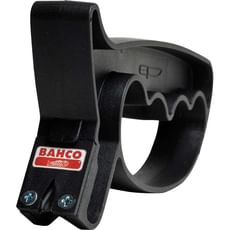
Traditional saw sharpening was a skilled craft requiring files, guides, and considerable expertise. Modern saw sharpeners simplify this process significantly, with many designs featuring tungsten carbide blades or abrasive surfaces that quickly restore a sharp edge with minimal skill required. Tooled-Up.com stocks professional-grade saw sharpeners from trusted manufacturers like Bahco, designed to deliver consistent results whether you're maintaining insulation saws on site or keeping general-purpose handsaws in top condition in your workshop.
These compact maintenance tools are invaluable for tradespeople who rely on sharp cutting edges daily. Rather than discarding blades prematurely or sending saws away for professional sharpening, users can perform quick touch-ups between jobs or complete resharpening during downtime, maintaining productivity and reducing operational costs over time.
Jargon Buster
- Tungsten Carbide: An extremely hard and durable material used in sharpening surfaces, capable of grinding hardened steel saw teeth without wearing down quickly itself.
- Tooth Set: The slight sideways bending of alternate saw teeth that creates a cut wider than the blade thickness, preventing binding and allowing smoother cutting action.
- Kerf: The width of material removed by a saw blade during cutting; maintaining sharp teeth helps preserve the intended kerf width for cleaner cuts.
- Rake Angle: The angle of the tooth face relative to a line perpendicular to the blade; different saw types require specific rake angles for optimal cutting performance.
- TPI (Teeth Per Inch): A measurement of saw tooth density that affects cutting speed and smoothness; different TPIs suit different materials and applications.
- Knuckle Guard: A protective feature on hand-held sharpeners that prevents the user's fingers from contacting the saw teeth during the sharpening process.
Who Uses Saw Sharpeners?
Saw sharpeners are essential tools for a diverse range of trades and users:
- Carpenters and Joiners: Maintaining handsaws, panel saws, and tenon saws for precise woodworking
- Insulation Installers: Keeping specialised insulation saws sharp for clean cuts through foam, mineral wool, and other insulation materials
- General Builders: Ensuring all handsaws remain effective for various site cutting tasks
- Landscapers and Groundworkers: Sharpening pruning saws and general-purpose cutting tools
- DIY Enthusiasts: Maintaining home workshop handsaws and keeping tools in optimal condition
- Tool Hire Companies: Restoring rental equipment between customer uses
- Maintenance Teams: Keeping facility tools and equipment in working order
- Cabinet Makers: Maintaining fine woodworking saws for precision joinery work
How to Choose the Right Saw Sharpeners
Selecting the appropriate saw sharpener depends on several practical considerations:
Saw Type Compatibility: Ensure the sharpener is designed for your specific saw type. Insulation saw sharpeners differ significantly from those designed for general woodworking handsaws. Check the manufacturer's specifications to confirm compatibility with your blade's tooth pattern and size.
Sharpening Material: Tungsten carbide sharpening surfaces offer excellent durability and effectiveness for most applications, maintaining their abrasive properties through repeated use. Consider the hardness of your saw teeth when selecting a sharpening material.
Ergonomics and Safety Features: Look for sharpeners with comfortable grips and built-in knuckle guards or other protective features. Products available from Tooled-Up include safety-conscious designs that reduce the risk of injury during the sharpening process.
Portability: If you sharpen tools on site rather than in a workshop, compact, lightweight sharpeners that fit easily in a toolbox or bag are essential. Consider the weight and dimensions for your typical working environment.
Brand Reputation: Established tool manufacturers like Bahco have developed sharpeners specifically matched to their saw designs, ensuring optimal results and compatibility.
Ease of Use: Some sharpeners require more skill and technique than others. If you're new to saw maintenance, look for designs that guide the sharpening process and reduce the learning curve.
Popular Accessories
Enhance your saw maintenance toolkit with these complementary products:
- Replacement Saw Blades: Keep spare blades on hand for when sharpening is no longer sufficient
- Tool Cleaning Solutions: Remove resin, pitch, and debris before sharpening for better results
- Lubricating Oils: Protect freshly sharpened blades from corrosion and reduce friction during cutting
- Saw Files: Traditional files for more detailed tooth shaping and set adjustment
- Saw Sets: Tools for adjusting tooth set angle when required
- Wire Brushes: Clean tooth gullets and blade surfaces before sharpening
- Tool Storage Solutions: Organise sharpening tools and saws safely in toolboxes or workshops
- Safety Gloves: Protect hands when handling sharp blades during maintenance
Safety Information
When using saw sharpeners, observe these important safety guidelines:
Hand Protection: Always use sharpeners with integrated knuckle guards where provided, and consider wearing cut-resistant gloves when handling saw blades. Sharp teeth can cause serious lacerations even when you're working carefully.
Secure the Workpiece: Ensure the saw is held firmly in a vice or stable position before sharpening. Never attempt to sharpen a blade you're holding in your other hand, as slipping can cause injury.
Eye Protection: Wear safety glasses when sharpening, as the process can produce small metal particles that may become airborne.
Proper Technique: Follow the manufacturer's instructions for your specific sharpener. Using incorrect angles or excessive pressure can damage teeth or cause the sharpener to slip.
Ventilation: Work in a well-ventilated area, particularly when sharpening blades that may have resinous deposits or other materials on the teeth.
Blade Inspection: Before sharpening, inspect blades for cracks, broken teeth, or other damage. Severely damaged blades should be replaced rather than sharpened, as they may fail during use.
Frequently Asked Questions
How often should I sharpen my saw blades?
This depends on usage frequency and materials being cut. As a general rule, sharpen when you notice increased cutting effort, rough cut surfaces, or the saw beginning to wander off the cutting line. For professional tradespeople using saws daily, weekly sharpening may be necessary, while occasional users might sharpen monthly or as needed.
Can one sharpener work for all my saws?
Not typically. Different saw types have varying tooth geometries, sizes, and hardness levels. Insulation saws require different sharpeners than general woodworking handsaws. Always check compatibility before purchasing a sharpener to ensure it matches your specific saw type.
Will sharpening extend my saw blade's life significantly?
Yes, regular sharpening can dramatically extend blade life, often multiplying the useful lifespan several times over. A well-maintained blade that's sharpened before becoming excessively dull will last considerably longer than one that's used until completely blunt and then discarded.
Do I need special skills to use a saw sharpener?
Modern saw sharpeners, particularly those designed for specific saws like the Bahco insulation saw sharpener, are engineered for ease of use with minimal skill required. Following the manufacturer's instructions, most users can achieve good results after a brief learning period. Traditional file sharpening requires more expertise.
Is it worth sharpening cheaper saws or should I just replace them?
This depends on the saw's quality and replacement cost. For professional-grade saws from reputable manufacturers like Bahco, sharpening is definitely worthwhile. For very inexpensive disposable-grade saws, replacement may be more economical. Consider the cost of the sharpener relative to replacement blades when making this decision.