

Scales

Pay in 3 interest-free payments on purchases from £20-£3000 with  . Learn more.
 Loading...
End of content
Error - No more pages to load
About Scales
Scales are essential precision instruments used by tradespeople, businesses and DIY enthusiasts to accurately determine weight and mass across countless applications. From verifying material quantities on construction sites to checking luggage before travel, scales provide the measurement accuracy needed for compliance, safety and efficient working practices. Modern scales range from compact electronic luggage scales with digital displays to robust spring weight balancers designed for workshop environments, combining portability with the precision required for professional use.
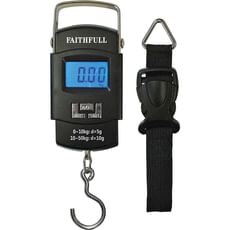
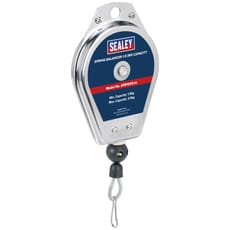
Electronic scales deliver digital accuracy with features like tare functions, multiple unit displays (kg, lb, oz) and backlit LCD screens for clear readings in any lighting condition. These battery-powered instruments are ideal for precise weight measurements where accuracy is critical, offering graduations as fine as 10g increments on quality models. Spring weight balancers take a different approach, using calibrated mechanical springs to measure weight whilst simultaneously suspending tools and equipment at a constant working height – particularly valuable in workshops where they reduce operator fatigue and keep workbenches clear of clutter.
Professional-grade scales from trusted brands like Faithfull and Sealey are built to withstand demanding trade environments, featuring impact-resistant housings, reliable mechanisms and clear displays. Whether you're a warehouse operative checking consignment weights, a builder verifying material deliveries, or a tradesperson managing manual handling requirements, the scales available at Tooled-Up.com combine durability with the measurement precision essential for weight-critical tasks across professional and domestic applications.
Jargon Buster
- Tare Function: A feature allowing you to reset the scale to zero after placing a container on it, so you measure only the contents rather than the container itself – essential for accurately weighing materials in boxes or bags.
- Maximum Capacity: The highest weight a scale can accurately measure without damage. Always check this specification and choose a capacity exceeding your typical requirements to ensure accuracy and longevity.
- Graduation/Increment: The smallest weight difference a scale can display, determining measurement precision. A 10g graduation means readings in 10-gram steps, whilst 100g graduations offer less precision but suit heavier, less critical weighing tasks.
- Spring Balancer: A mechanical weighing device using calibrated springs to measure weight whilst suspending tools or equipment at constant height. Popular in workshops for reducing operator fatigue during repetitive tasks.
- LCD Display: Liquid Crystal Display used in electronic scales to show digital weight readings. Quality models feature backlighting for visibility in poorly lit site conditions and large digits for easy reading at working distance.
- Auto-Off Function: A battery-saving feature that automatically powers down electronic scales after a period of inactivity, extending battery life – particularly important for site work where battery replacement may be inconvenient.
Who Uses Scales?
Scales serve a diverse range of professional trades and practical applications:
- Warehouse and Logistics Operatives: Checking parcel weights for shipping compliance, verifying consignments against delivery notes, and ensuring loads meet transport regulations
- Builders and Construction Workers: Weighing materials for accurate ordering, checking equipment weight for manual handling assessments, and verifying deliveries on site
- Mechanics and Workshop Engineers: Using spring balancers to suspend tools at optimal working height, weighing components against specifications, and managing heavy parts safely
- Electricians and Plumbers: Checking weight of materials and equipment before working at height or in confined spaces to comply with HSE manual handling guidelines
- Facilities Managers: Managing waste disposal costs through accurate weight recording, checking deliveries, and monitoring material usage across sites
- Manufacturing and Production Staff: Quality control processes, batch weighing for consistency, and process monitoring where weight verification is critical
- Agricultural Workers: Weighing produce for sale, measuring feed quantities, and checking equipment weights for transport compliance
- DIY Enthusiasts and Homeowners: Checking luggage weight before travel to avoid excess baggage charges, weighing materials for home projects, and general household measuring tasks
- Market Traders and Small Business Owners: Weighing goods for pricing, verifying stock quantities, and ensuring accurate transactions with customers
How to Choose the Right Scales
Maximum Capacity: Determine the heaviest items you'll regularly weigh. Portable luggage scales typically handle 40-50kg, whilst spring balancers may support heavier workshop loads. Always select capacity exceeding your normal requirements by at least 20% to ensure accuracy and prevent mechanism damage.
Accuracy Requirements: Consider the precision needed for your specific applications. Electronic scales generally offer superior accuracy with fine graduations ideal for precise measurements where small weight differences matter. Mechanical spring balancers provide sufficient accuracy for general workshop use, tool suspension and less critical weighing tasks.
Power Source: Electronic scales require batteries – typically AAA or button cells – so consider models with long battery life and auto-off functions to minimise running costs. Mechanical spring balancers need no power source, making them ideal for site work where battery replacement is inconvenient or outdoor environments where electronic components may be vulnerable.
Portability: Mobile tradespeople and those checking luggage weight benefit from compact, lightweight designs that fit easily in toolboxes or travel bags. Workshop-based users might prioritise larger displays, more robust construction and permanent mounting options over portability.
Display Type: Digital LCD displays offer clear, precise readings with backlit options for low-light conditions common on building sites and in warehouses. Ensure the display is large enough to read comfortably at your typical working distance – particularly important when weighing suspended loads.
Build Quality: Professional-grade scales from established brands like Faithfull and Sealey feature durable construction suited to demanding trade environments. Look for impact-resistant housings, sealed electronics protecting against dust and moisture, and robust hooks or attachment points that won't fail under load.
Additional Features: Tare functions let you weigh contents without containers, multiple unit displays eliminate mental conversion, and hold features freeze readings for recording later. Consider which features genuinely benefit your workflow rather than paying for unnecessary complexity.
Popular Accessories
- Replacement Batteries: Keep spare AAA batteries for electronic scales to avoid downtime, particularly important for site work away from power sources where purchasing replacements may be difficult
- Protective Cases: Padded storage cases or pouches protect scales during transport and storage, preventing damage to displays and mechanisms that could affect accuracy
- Calibration Weights: Certified weights used to verify and maintain scale accuracy over time, ensuring measurements remain reliable and compliant with quality standards
- Hanging Hooks and Straps: Additional attachment points and extensions for spring balancers and luggage scales, providing versatility in how items are suspended and weighed
- Platform Extensions: Larger weighing surfaces or platforms for bulky or irregularly shaped items that extend beyond standard scale hooks, improving stability during measurement
- Suspension Points: Overhead mounting brackets and fixings for permanent spring balancer installation in workshops, ensuring secure attachment rated for maximum capacity
Safety Information
Maximum Capacity: Never exceed the maximum capacity marked on your scales. Overloading can damage the mechanism permanently, affect accuracy, and potentially cause injury if components fail or suspended loads drop unexpectedly.
Secure Attachment: When using scales to weigh suspended items, ensure objects are securely attached to hooks or straps before lifting. Check attachment points for wear and damage before each use, and verify that suspension points can safely support the combined weight of the scale and load.
Manual Handling: Follow HSE manual handling guidelines when moving items to and from scales. Use mechanical aids where practical, and assess weights before lifting to prevent strain injuries – don't rely solely on estimated weights.
Spring Balancer Installation: When installing spring balancers overhead, ensure mounting points are structurally sound and rated for the maximum capacity. Use appropriate fixings and check installations regularly for signs of loosening or fatigue.
Electronic Safety: Keep electronic scales dry and away from moisture that could damage circuitry or create electrical hazards. Remove batteries during extended storage to prevent corrosion from leaking cells.
Stable Surfaces: Always use scales on stable, level surfaces to ensure accurate readings and prevent toppling. Unstable positioning can cause inaccurate measurements and potential injury from falling loads.
Frequently Asked Questions
How do I know if my scales are accurate?
Test your scales using known weights such as calibration weights or pre-weighed items. If readings consistently differ from known values by more than the stated graduation, recalibration or replacement may be necessary. Electronic scales should always be zeroed on a flat, stable surface before use. For critical applications requiring certified accuracy, consider professional calibration services to maintain HSE compliance and quality standards.
What's the difference between electronic and spring balancer scales?
Electronic scales use digital sensors and LCD displays to provide precise weight readings, often with additional features like tare functions, multiple unit displays and memory. Spring balancers use mechanical springs calibrated to indicate weight, requiring no batteries and offering reliable operation in any environment. Electronic scales typically offer greater precision and are ideal for portable weighing tasks, whilst spring balancers excel in durability, simplicity and the ability to suspend tools at constant working height whilst measuring weight.
Can I use luggage scales for weighing tools and materials?
Yes, portable luggage scales are versatile weighing devices perfectly suitable for tools, materials and equipment within their maximum capacity – typically 40-50kg. They're particularly useful for checking weights before manual handling operations or transport to ensure compliance with regulations. Always ensure items are securely attached to the scale's hook or strap to prevent accidents during weighing, and verify the scale is properly zeroed before measurement.
Do scales need regular calibration?
For general trade and DIY use, regular testing against known weights is usually sufficient to verify ongoing accuracy. Professional applications requiring certified accuracy – such as quality control or commercial transactions – may need periodic calibration by qualified technicians with traceable standards. Spring balancers should be checked for spring fatigue over time, whilst electronic scales benefit from occasional zeroing and battery replacement to maintain accuracy. If scales consistently show incorrect readings, professional recalibration or replacement is advisable.
Are there weight limits I should be aware of when using scales?
Always observe the maximum capacity clearly marked on your scales. Exceeding this limit can permanently damage the mechanism, affect accuracy for future measurements, and potentially cause injury if the scale fails or drops the load. When using spring balancers to suspend equipment, ensure the overhead suspension point and all attachments are also rated for the load being measured – the weakest component determines safe working capacity. Add a safety margin of at least 20% below maximum capacity for regular use to extend instrument life and maintain accuracy.