

Scissor Sharpener
Pay in 3 interest-free payments on purchases from £30-2000 with  . Learn more.
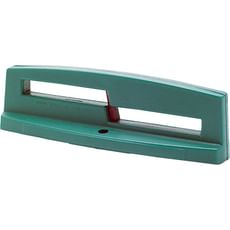
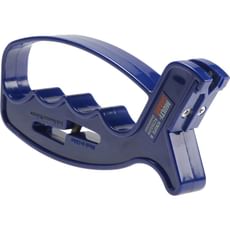
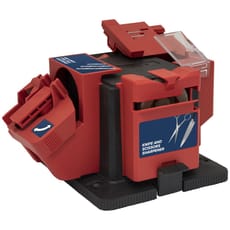
 Loading...
End of content
Error - No more pages to load
About Scissor Sharpener
A scissor sharpener is an essential maintenance tool designed to restore the cutting performance of scissors, shears, and similar cutting implements. Whether you're dealing with household scissors that have become dull from regular use, professional fabric shears that need precision edges, or garden shears requiring restoration, a dedicated scissor sharpener provides a quick and effective solution without the need for professional sharpening services. These compact tools use precision-engineered sharpening elements—typically tungsten carbide or ceramic—to realign and restore the cutting edge of scissor blades through a simple, repeatable process.
The scissor sharpeners available from Tooled-Up.com range from multi-purpose models that handle both knives and scissors to specialist units designed specifically for shears and heavy-duty cutting tools. Modern scissor sharpeners feature ergonomic handles with hand guards for safety, and many incorporate guides or slots that maintain the correct sharpening angle automatically, eliminating guesswork and ensuring consistent results. Unlike traditional sharpening stones or files that require skill and experience, these purpose-built tools allow anyone to achieve professional-quality results in seconds, making them invaluable for both domestic users and professional tradespeople who rely on sharp cutting tools daily.
Quality scissor sharpeners often feature replaceable sharpening heads, extending the tool's lifespan and providing long-term value. Many models are suitable for both right and left-handed scissors, and some incorporate additional features such as knife sharpening capabilities, making them versatile additions to any workshop, kitchen, or professional toolkit. For tailors, upholsterers, gardeners, hairdressers, and anyone who depends on precision cutting, maintaining sharp scissors isn't just about convenience—it's essential for quality workmanship, efficiency, and safety.
Jargon Buster
- Tungsten Carbide: An extremely hard metallic compound used in sharpening heads that can sharpen even hardened steel blades. Tungsten carbide elements are long-lasting and produce a keen, durable edge on most scissor types.
- Sharpening Angle: The specific angle at which the sharpening element contacts the blade edge, typically between 20-30 degrees for scissors. Quality sharpeners maintain this angle automatically through guides or slots to ensure optimal sharpening results.
- Ceramic Sharpening Elements: Hard ceramic materials used as an alternative to tungsten carbide, offering fine edge refinement and honing. Ceramic is particularly effective for maintaining already-sharp blades and providing a polished finish.
- Honing vs Sharpening: Honing realigns a blade edge without removing material, while sharpening actually removes metal to create a new edge. Many scissor sharpeners perform both functions, removing material when needed whilst maintaining edge alignment.
- Multi-Purpose Sharpener: A versatile tool capable of sharpening various cutting implements including scissors, knives, shears, and sometimes garden tools, providing comprehensive maintenance capabilities in a single compact unit.
- Replaceable Heads: Sharpening elements designed to be removed and replaced when worn, extending the tool's useful life and maintaining consistent sharpening performance over time.
Who Uses Scissor Sharpener?
Scissor sharpeners serve a diverse range of professionals and enthusiasts who depend on sharp cutting tools:
- Tailors and Seamstresses: Professional clothing manufacturers requiring precision cutting through multiple fabric layers
- Upholsterers: Tradespeople cutting through heavy-duty fabrics, leather, and synthetic materials
- Hairdressers and Barbers: Professionals maintaining expensive cutting shears for precision styling
- Gardeners and Landscapers: Maintaining pruning shears, secateurs, and garden scissors for clean plant cuts
- Craft Enthusiasts: Hobbyists working with paper, card, fabric, and other materials requiring sharp, accurate cuts
- Kitchen Staff and Chefs: Maintaining kitchen scissors and poultry shears alongside knife maintenance
- Carpet Fitters: Keeping carpet shears and cutting tools in optimal condition for clean, professional installations
- Florists: Maintaining stem cutters and floral scissors for clean cuts that don't damage plant tissue
- DIY Enthusiasts: Home users maintaining household scissors, craft tools, and general-purpose cutting implements
- Schools and Educational Facilities: Maintaining classroom scissors and craft tools cost-effectively
How to Choose the Right Scissor Sharpener
Selecting the appropriate scissor sharpener depends on several practical considerations:
Scissor Type and Size: Consider what types of scissors you'll be sharpening most frequently. Standard household scissors require different accommodation than heavy-duty garden shears or precision sewing scissors. Some sharpeners feature multiple slots or adjustable guides to handle various blade thicknesses and sizes, whilst specialist shear sharpeners are designed specifically for larger cutting tools.
Sharpening Method: Tungsten carbide sharpeners provide aggressive sharpening suitable for very dull or damaged blades, whilst ceramic options offer finer honing for regular maintenance. Multi-stage sharpeners incorporate both, allowing you to restore severely blunted tools and then refine the edge for optimal performance.
Frequency of Use: For professional environments where daily sharpening is necessary, invest in robust models with replaceable heads. The selection at Tooled-Up includes both economy options for occasional domestic use and professional-grade tools designed for commercial environments and heavy-duty applications.
Hand Orientation: Verify that the sharpener accommodates both right and left-handed scissors if you work with varied tools. Quality models feature reversible or universal designs that sharpen scissors regardless of blade configuration.
Safety Features: Look for ergonomic handles with integrated hand guards that protect fingers during the sharpening process. Non-slip bases or grips ensure stability during use, preventing accidents and ensuring consistent sharpening angles.
Multi-Functionality: If you also need to maintain knives, cleavers, or other bladed tools, consider multi-purpose sharpeners that provide comprehensive maintenance capabilities. These versatile units offer better value and reduce tool clutter in workshops or kitchens.
Popular Accessories
- Replacement Sharpening Heads: Tungsten carbide or ceramic elements for extending your sharpener's lifespan
- Knife Sharpeners: Complementary tools for maintaining kitchen knives and utility blades
- Honing Oil: Lubricants that reduce friction and improve sharpening performance on certain tool types
- Cleaning Brushes: Small brushes for removing metal particles and debris from sharpening elements
- Tool Storage Cases: Protective storage for sharpeners and associated maintenance equipment
- Protective Gloves: Cut-resistant gloves for safe handling of sharp implements during maintenance
- Garden Tool Sharpeners: Specialist files and sharpening tools for maintaining secateurs and pruning shears
Safety Information
When using scissor sharpeners, observe these important safety considerations:
Hand Protection: Always use sharpeners with integrated hand guards, and never place fingers near the sharpening elements during operation. The freshly sharpened blades will be extremely sharp—test cautiously and handle with care immediately after sharpening.
Stable Positioning: Ensure the sharpener is positioned securely on a stable work surface before use. Many models benefit from being held firmly or feature non-slip bases. Never attempt to sharpen whilst holding both the sharpener and scissors in mid-air, as this increases injury risk significantly.
Correct Technique: Follow manufacturer instructions regarding the number of passes and pressure required. Over-sharpening can damage blade geometry and reduce scissor lifespan. Use smooth, controlled movements rather than aggressive or rushed actions.
Debris Management: Sharpening creates fine metal particles. Work in well-ventilated areas and clean sharpening elements regularly to prevent particle buildup. Dispose of cleaning materials carefully, as they may contain sharp metal fragments.
Child Safety: Store scissor sharpeners securely away from children. Whilst less obviously dangerous than power tools, sharpeners create extremely sharp edges and incorporate hard, sharp sharpening elements that pose injury risks.
Frequently Asked Questions
How often should I sharpen my scissors?
This depends on usage frequency and material being cut. Professional users cutting abrasive materials daily may need weekly sharpening, whilst household scissors used occasionally might only require attention every few months. Sharpen when you notice increased effort required for cutting or ragged cut edges rather than following a fixed schedule.
Can scissor sharpeners damage my scissors?
When used correctly according to manufacturer instructions, quality scissor sharpeners won't damage blades. However, excessive sharpening removes unnecessary material and shortens tool lifespan. Use only the recommended number of passes, and don't sharpen unnecessarily—if scissors still cut well, they don't need sharpening.
Will a scissor sharpener work on all types of scissors?
Most scissor sharpeners handle standard household, kitchen, and craft scissors effectively. However, specialist scissors such as pinking shears (with serrated edges), thinning scissors used in hairdressing, or micro-tip precision scissors may require professional sharpening services. Garden shears and heavy-duty cutting tools typically need dedicated shear sharpeners rather than standard scissor sharpening tools.
What's the difference between tungsten carbide and ceramic sharpening elements?
Tungsten carbide is harder and more aggressive, making it ideal for restoring very dull or damaged blades quickly. Ceramic elements provide finer sharpening and are excellent for regular maintenance and honing already-reasonable edges. Many quality models incorporate both materials in sequence for optimal results.
How long do scissor sharpeners last?
This varies considerably based on usage frequency and models chosen. Sharpening elements gradually wear through use, but quality units with replaceable heads can last many years. Models with fixed tungsten carbide heads might provide hundreds or even thousands of sharpening operations before replacement becomes necessary. Regular cleaning and proper storage significantly extend sharpener lifespan.