

Scissors

Pay in 3 interest-free payments on purchases from £20-£3000 with  . Learn more.

 Loading...
End of content
Error - No more pages to load
About Scissors
Scissors are among the most essential cutting tools across countless trades, crafts, and everyday applications. From precision embroidery work to heavy-duty kitchen preparation, the right pair of scissors can transform a challenging cutting task into an effortless operation. Quality scissors combine ergonomic design with sharp, durable blades manufactured from high-grade steel, ensuring clean cuts without fraying, tearing, or damaging materials.
The scissor category at Tooled-Up.com encompasses an extensive range of specialised cutting tools designed for specific applications. Dressmaking and tailors scissors feature long, precision-ground blades ideal for cutting fabric in smooth, continuous lines, whilst embroidery scissors offer fine, pointed tips for intricate needlework. Kitchen scissors combine robust construction with corrosion-resistant materials, often incorporating additional features such as bottle openers or nutcrackers. Specialist varieties include pinking scissors with serrated blades that create zigzag edges to prevent fabric fraying, and sheep shears for agricultural use.
Modern scissors represent centuries of blade-making refinement, with ergonomic handles reducing hand fatigue during extended use and advanced metallurgy ensuring long-lasting sharpness. Whether you require general purpose scissors for everyday workshop tasks, precision manicure scissors for detailed work, or professional hairdressing scissors with razor-sharp bevelled edges, selecting the appropriate tool for your specific cutting requirements ensures superior results and prolonged tool life.
Jargon Buster
- Pivot Point: The central screw or rivet that holds the two blades together and allows them to move against each other. Higher-quality scissors feature adjustable pivot points for maintaining optimal blade tension.
- Bevel Edge: The angled cutting edge ground onto the blade. Micro-serrated bevels grip materials during cutting, whilst razor bevels provide exceptionally smooth cuts for fabrics and hair.
- Shank: The section between the pivot point and the finger rings. Longer shanks provide greater leverage for cutting thicker materials, whilst shorter shanks offer enhanced control for detailed work.
- Tang: The portion of the blade that extends into the handle. Full tang construction, where the blade extends completely through the handle, provides superior strength and durability.
- Pinking Blades: Serrated blades with a sawtooth pattern that create a zigzag edge, preventing fabric from fraying whilst adding a decorative finish.
- Hot-Forged Blades: Blades manufactured through heating and hammering steel, creating a denser molecular structure that holds an edge longer than stamped alternatives.
Who Uses Scissors?
- Dressmakers and Tailors: Requiring precision fabric scissors for pattern cutting and garment construction
- Hairdressers and Barbers: Using professional cutting and thinning scissors for styling and trimming
- Upholsterers: Cutting heavy-duty fabrics, leather, and synthetic materials
- Craft Professionals: Including card makers, scrapbookers, and paper artists requiring precision cutting tools
- Commercial Kitchens: Chefs and catering staff using robust kitchen scissors for food preparation
- Florists: Trimming stems and arranging delicate flowers and foliage
- Healthcare Professionals: Medical scissors for cutting bandages, gauze, and medical tape
- Farmers and Agricultural Workers: Sheep shears for wool shearing and animal husbandry
- Electricians: Specialist scissors for cutting cable sheathing and insulation materials
- Office Administrators: General purpose scissors for everyday document and packaging tasks
- Beauty Therapists: Manicure scissors for nail care and cosmetic applications
How to Choose the Right Scissors
Material Type: Consider what you'll be cutting most frequently. Fabric scissors require different blade geometry to kitchen scissors, which differ again from paper-cutting varieties. Match the scissor type to your primary application for optimal performance.
Blade Material: High-carbon stainless steel offers excellent edge retention and corrosion resistance, ideal for damp environments. Titanium-coated blades provide enhanced durability and reduced friction, particularly beneficial for adhesive materials that would otherwise gum up standard blades.
Blade Length: Longer blades (200-250mm) suit cutting large fabric pieces or making long, continuous cuts, whilst shorter blades (100-150mm) provide superior control for detailed work, embroidery, and precision tasks.
Handle Design: Ergonomic handles with soft-grip inserts reduce hand fatigue during extended use. Left-handed users should seek specifically designed left-handed scissors, as standard scissors force the blades apart when used with the opposite hand, resulting in poor cutting performance.
Blade Edge Type: Micro-serrated edges grip slippery materials like silk or plastic packaging, preventing material from sliding during cutting. Smooth bevelled edges provide cleaner cuts for paper and fine fabrics but may struggle with synthetic materials.
Adjustability: Professional-grade scissors often feature adjustable pivot screws, allowing users to maintain optimal blade tension as the scissors wear, significantly extending tool life.
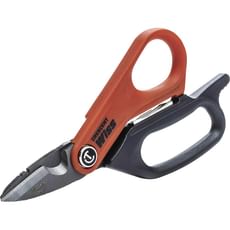
Specialist Features: Kitchen scissors may incorporate bottle openers, nutcrackers, or jar lid grips. Electrician's scissors might include wire stripping notches. Assess whether additional features justify any premium over basic models.
Popular Accessories
- Scissor Sharpeners: Manual and electric sharpening systems for restoring blunt blades
- Protective Sheaths: Blade guards preventing damage during storage and transport
- Scissor Storage Cases: Organised storage solutions protecting multiple pairs from damage
- Cutting Mats: Self-healing surfaces protecting work benches whilst extending scissor life
- Blade Lubricants: Specialist oils reducing friction and preventing corrosion
- Leather Strops: For maintaining razor-sharp edges on professional hairdressing scissors
- Finger Ring Inserts: Comfort grips reducing pressure points during extended use
- Scissor Holsters: Belt-mounted carriers for tradespeople requiring quick access
Safety Information
Sharp Blade Handling: Always carry scissors with blades closed and pointed downward. Never run whilst carrying scissors, and pass scissors to others handle-first with blades closed.
Storage Practices: Store scissors in protective sheaths or dedicated compartments to prevent accidental cuts and blade damage. Keep sharp scissors away from children and ensure workplace scissors meet HSE guidelines for shared tools.
Maintenance Safety: When cleaning or sharpening scissors, work away from your body and secure the scissors properly. Wear appropriate gloves when handling particularly sharp professional-grade scissors during maintenance.
Appropriate Use: Use scissors only for their intended purpose. Using fabric scissors on wire or metal will damage blades and potentially cause injury through blade breakage or slippage. Kitchen scissors should be sanitised regularly to prevent cross-contamination.
Frequently Asked Questions
Can I sharpen scissors at home or should they be professionally serviced?
Basic scissor sharpening can be accomplished at home using dedicated scissor sharpeners available from Tooled-Up. These manual or electric devices restore a serviceable edge to general purpose scissors. However, professional-grade scissors—particularly hairdressing scissors with complex bevel angles—benefit from professional sharpening services that maintain precise blade geometry. Never use standard knife sharpeners on scissors, as they cannot accommodate the specific angle requirements.
Why do my fabric scissors struggle to cut after using them on paper?
Paper contains silica and other minerals that rapidly dull scissor blades. Even a few cuts through paper or card can noticeably reduce sharpness for fabric cutting. Dedicated fabric scissors should never be used on paper, tape, or synthetic materials. Mark fabric scissors clearly and store them separately to prevent inadvertent misuse that compromises their cutting performance.
What's the difference between left-handed and ambidextrous scissors?
True left-handed scissors feature reversed blade orientation, with the left blade on top when held in the left hand, allowing users to see their cutting line clearly. The handles are also contoured for left-hand comfort. Ambidextrous scissors feature symmetrical handles but retain right-handed blade orientation, making them unsuitable for precise left-handed cutting. Left-handed users requiring accurate cuts should invest in properly designed left-handed scissors.
How often should professional scissors be serviced?
Professional hairdressing scissors used daily typically require sharpening every 3-6 months, depending on usage intensity and hair types cut. Dressmaking scissors used on natural fabrics may maintain sharpness for 12-18 months. Kitchen scissors in commercial environments should be inspected monthly and sharpened as needed. Any scissors showing blade misalignment, requiring excessive force, or producing ragged cuts need immediate attention regardless of service schedule.
Are expensive professional scissors worth the investment for occasional use?
For occasional home use, mid-range scissors provide excellent value and adequate performance. Professional-grade scissors justify their premium through superior materials, precise manufacturing tolerances, and serviceability that matters most to daily users. Tradespeople and professionals whose livelihoods depend on clean, accurate cuts benefit from premium scissors' enhanced durability and performance. DIY enthusiasts and occasional users should focus on appropriate scissor types for their specific tasks rather than premium professional models.