

Scraper Blades

Pay in 3 interest-free payments on purchases from £20-£3000 with  . Learn more.
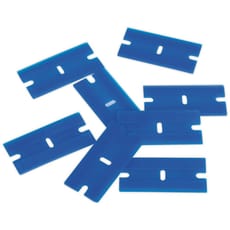
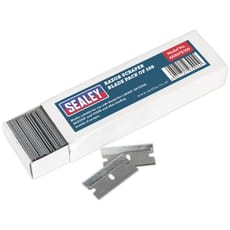
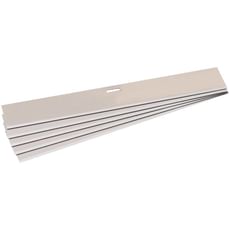
 Loading...
End of content
Error - No more pages to load
About Scraper Blades
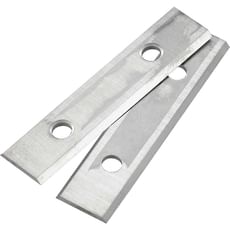
Scraper blades are essential replacement components designed to maintain the performance and effectiveness of hand scrapers used across a wide range of trades and DIY applications. These precision-engineered blades remove paint, adhesive, varnish, rust, and other surface materials from wood, metal, glass, and composite surfaces. Available in various materials including hardened steel, carbide-edged, and composite plastic variants, scraper blades deliver clean, controlled material removal without damaging underlying substrates when used correctly.
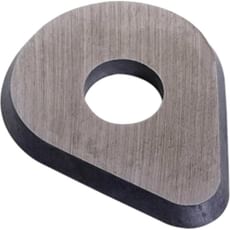
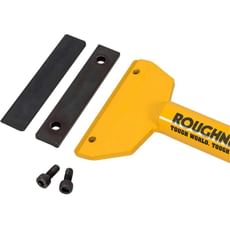
The selection at Tooled-Up.com includes replacement blades compatible with popular scraper models from trusted manufacturers such as Bahco, Tajima, Stanley, Sealey, Draper, and Roughneck. These blades range from standard double-edged steel variants to premium carbide-edged options that can last up to 50 times longer than conventional blades. Many feature convex ground edges to reduce surface scratching, whilst specialist plastic composite blades offer safer alternatives for delicate surfaces where metal blades might cause damage. Drop-shaped, rectangular, and knife-style blade profiles cater to different scraper designs and specific removal tasks.
Quality replacement blades transform the efficiency of surface preparation work, delivering cleaner results with less effort than worn or inferior alternatives. Whether removing stubborn materials from site joinery, restoring furniture, preparing surfaces for decoration, or cleaning windows and glass panels, having the correct blade type ensures optimal performance and extends the working life of the scraper tool itself.
Jargon Buster
- Carbide-Edged Blades: Premium scraper blades featuring cemented carbide cutting edges that deliver exceptional durability and longevity, typically lasting 50 times longer than standard steel blades whilst maintaining sharpness throughout extended use.
- Double-Edged Blades: Economical blade design with cutting edges on both long sides, allowing the blade to be reversed once one edge becomes dull, effectively doubling the usable lifespan before replacement is required.
- Convex Ground Edge: A slightly curved blade edge profile that reduces the risk of gouging or scratching delicate surfaces during scraping operations, particularly important when working with painted wood or finished metal surfaces.
- Drop-Shape Blade: A blade profile with a rounded or teardrop-shaped design that suits specific scraper models, offering both flat edge scraping and pointed tip access for intricate detail work.
- Composite Plastic Blades: Non-metallic scraper blades manufactured from rigid composite materials, designed for use on sensitive surfaces where metal blades might cause scratches or damage, such as glass, chrome, or high-gloss finishes.
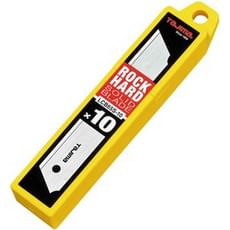
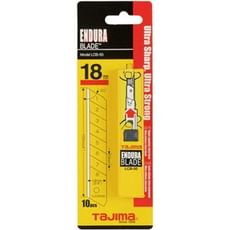
- Endura Blade: Tajima's proprietary hardened blade technology offering enhanced durability and edge retention compared to standard knife blades, particularly suited to heavy-duty scraping applications.
Who Uses Scraper Blades?
- Painters and Decorators: Removing old paint, wallpaper adhesive, and surface contaminants during preparation work
- Joiners and Carpenters: Cleaning up adhesive residue, removing paint splashes, and smoothing wooden surfaces
- Window Fitters: Removing labels, sealant, and paint from glass and frames during installation work
- Floor Layers: Scraping away old adhesive, levelling compound, and surface debris before laying new flooring
- Vehicle Body Repair Technicians: Removing decals, adhesive residue, and surface contaminants from painted and glass surfaces
- Facilities Maintenance Teams: General cleaning, graffiti removal, and surface preparation across commercial premises
- Heritage Restoration Specialists: Carefully removing coatings from delicate historic surfaces without causing substrate damage
- DIY Enthusiasts: Home improvement projects including furniture restoration, decoration preparation, and general maintenance tasks
How to Choose the Right Scraper Blades
Compatibility: The most critical factor is ensuring replacement blades match your existing scraper model. Tooled-Up stocks blades designed specifically for Bahco 440, 448, 450, 625, 650, and 665 scrapers, Tajima CLR Scrape Rite models in 18mm, 22mm, and 25mm widths, plus blades for Sealey, Stanley, Draper, and Roughneck scraper tools. Always verify compatibility before purchasing to avoid fitment issues.
Blade Material: Standard hardened steel blades offer economical performance for general scraping tasks, whilst carbide-edged alternatives deliver exceptional longevity—particularly valuable for trade professionals undertaking high-volume work. Composite plastic blades suit applications where surface protection is paramount, such as cleaning glass, ceramic tiles, or painted surfaces where metal might cause scratching.
Edge Configuration: Double-edged blades provide excellent value as they can be reversed once one edge dulls, effectively doubling usable life. Convex ground edges reduce scratching risk on finished surfaces. Consider blade shape too—drop-shaped profiles offer versatility for both flat scraping and detailed work, whilst rectangular blades excel at covering larger surface areas efficiently.
Blade Width and Size: Match blade dimensions to both your scraper tool and the scale of work undertaken. Wider blades cover more surface area quickly for large-scale preparation work, whilst narrower profiles suit detailed removal tasks and tight access situations. Common widths range from 18mm knife-style blades through to 65mm wide scraper blades.
Quantity and Value: Professional users benefit from purchasing blade multipacks which reduce unit costs and ensure consistent supplies for ongoing projects. Consider how frequently blades require replacement based on your typical workload—carbide variants may cost more initially but deliver superior economy through extended lifespan.
Popular Accessories
- Hand Scrapers: Compatible scraper tools and handles from Bahco, Tajima, Stanley, and other manufacturers
- Safety Gloves: Cut-resistant work gloves protecting hands when handling and changing sharp blades
- Blade Disposal Containers: Safe storage and disposal solutions for used blades, ensuring workplace safety compliance
- Sharpening Stones: For maintaining and extending the life of standard steel scraper blades between replacements
- Paint Strippers and Removers: Chemical solutions that work alongside mechanical scraping for stubborn coatings
- Filling Knives and Spatulas: Complementary surface preparation tools for applying filler and smoothing compounds
- Abrasive Papers and Sanding Sheets: For final surface finishing after scraping operations
- Tool Belts and Pouches: Convenient storage and carrying solutions keeping blades and scrapers accessible on site
Safety Information
Blade Handling: Scraper blades feature extremely sharp cutting edges capable of causing serious lacerations. Always wear appropriate cut-resistant gloves when changing blades, and handle replacement blades carefully by their mounting areas rather than cutting edges. Store unused blades in their original packaging or dedicated blade cases to prevent accidental contact.
Blade Changing Procedures: Ensure scraper tools are properly secured and stable before attempting blade replacement. Follow manufacturer instructions for safe blade removal and installation, ensuring replacement blades are correctly seated and secured before use. Never force incompatible blades into scraper tools as this may result in blade breakage during operation.
Disposal Requirements: Used scraper blades constitute sharp waste and must be disposed of responsibly. Utilise dedicated sharps containers or wrap dulled blades securely in protective material before disposal. Never dispose of loose blades in general waste where they pose injury risks to waste handlers. Commercial users should follow HSE guidance and workplace waste management protocols.
Working Practices: Always scrape away from your body and keep hands behind the blade direction of travel. Maintain stable footing and secure workpieces properly before scraping. Wear safety glasses to protect against flying debris, particularly when removing brittle materials like old paint or dried adhesive. Ensure adequate ventilation when scraping materials that may contain hazardous substances such as lead-based paints or chemical coatings.
Frequently Asked Questions
How long do carbide scraper blades last compared to standard steel versions?
Carbide-edged scraper blades typically last up to 50 times longer than conventional hardened steel blades, making them particularly cost-effective for professional tradespeople undertaking regular scraping work. Whilst initial purchase costs are higher, the extended lifespan and consistent cutting performance throughout the blade's life deliver superior economy and reduced downtime for blade changes on site.
Can I sharpen scraper blades or must they be replaced when dull?
Standard steel scraper blades can sometimes be resharpened using fine sharpening stones, though this is generally impractical for thin disposable blades and may affect the convex edge profile that prevents surface scratching. Carbide-edged blades cannot be effectively sharpened with conventional methods. For most applications, replacing blades when performance diminishes proves more time-efficient than attempting to restore cutting edges, particularly given the modest cost of quality replacement blades available from Tooled-Up.
What's the difference between composite plastic and metal scraper blades?
Composite plastic scraper blades are specifically designed for delicate surfaces where metal blades might cause scratching or damage, such as glass, ceramic tiles, chrome fixtures, or high-gloss painted finishes. Whilst less durable than metal alternatives and unsuitable for heavy-duty material removal, plastic blades safely remove labels, light adhesive residue, and surface contaminants without marking sensitive substrates. Metal blades offer superior cutting performance and longevity for general scraping applications on robust surfaces.
Are scraper blades universal or do I need specific blades for my scraper model?
Scraper blades are not universal—different scraper models require specifically designed replacement blades with correct dimensions, mounting hole configurations, and profile shapes. Using incompatible blades compromises both safety and performance. Always verify that replacement blades match your scraper manufacturer and model number. Product listings clearly indicate compatible scraper models to ensure correct selection.
How can I tell when scraper blades need replacing?
Replace scraper blades when you notice increased effort required to remove materials, reduced cutting efficiency, visible edge damage or rounding, or if the blade begins leaving scratches rather than clean removal. Double-edged blades should be reversed once the first edge dulls, then replaced when both edges lose effectiveness. Professional users working on finished surfaces should replace blades more frequently to maintain optimal results and prevent surface damage from degraded cutting edges.