

Screw Caps & Covers
Pay in 3 interest-free payments on purchases from £30-2000 with  . Learn more.
 Loading...
End of content
Error - No more pages to load
About Screw Caps & Covers
Screw caps and covers are essential finishing accessories that serve both functional and aesthetic purposes in construction, roofing, cladding, and various fixings applications. These small but important components are designed to conceal screw heads, providing a clean, professional appearance while offering protection against weather, corrosion, and tampering. Available in a wide range of colours, sizes, and materials, screw caps enable tradespeople and DIY enthusiasts to match fixings seamlessly with panels, cladding, and sheet materials.
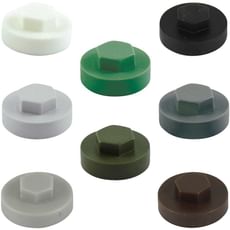
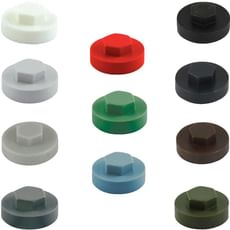
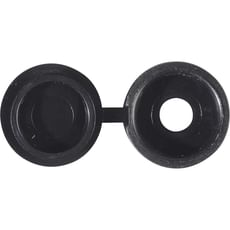
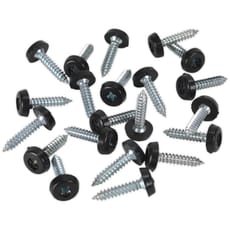
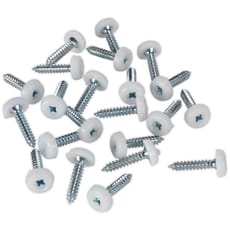
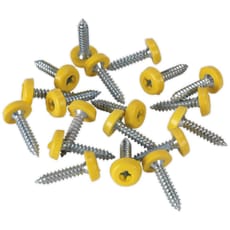
The range at Tooled-Up includes colour-matched hexagon screw cover caps specifically designed for roofing and construction applications, universal snap-fit covers for general purpose use, and specialised number plate screw caps with flip or enclosed heads. These products are manufactured from durable plastic materials with various finishes including matt and gloss options. Whether working with metal roofing sheets, coloured wall cladding, or securing number plates, the right screw cap ensures a neat finish whilst protecting fixings from the elements and maintaining the integrity of the installation over time.
Tooled-Up.com stocks screw caps and covers from trusted brands including Sealey, Timco, and Forgefix, offering solutions for everything from large-scale commercial roofing projects to automotive applications. Available in pack quantities ranging from individual pieces to bulk assortments of 1000 units, these products cater to both professional contractors requiring volume supplies and home users needing smaller quantities for specific projects.
Jargon Buster
- Hexagon Screw Cover Cap: A six-sided plastic cap designed to fit over hexagonal-headed roofing screws, typically featuring an 8mm socket size and available in various diameters to match different screw sizes and panel profiles.
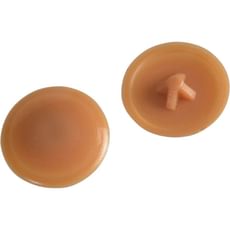
- Universal Screw Cover Cap: Snap-fit covers that accommodate a range of screw sizes and types, providing flexible solutions for general fixing applications without requiring specific matching to screw head profiles.
- Colour Matching: The ability to select screw caps in specific colours that blend seamlessly with roofing sheets, cladding panels, or other finished surfaces, maintaining aesthetic consistency across the installation.
- Enclosed Head: A cap design that completely covers and seals the screw head, offering superior weather protection and a smooth, finished appearance particularly useful for automotive and security applications.
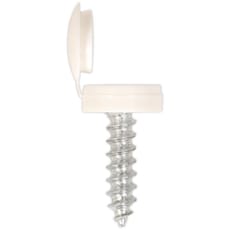
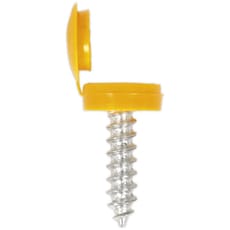
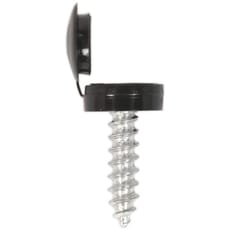
- Flip Cap: A hinged cap design that allows quick access to the screw head when removal or adjustment is required, whilst providing protection and concealment during normal use.
- Socket Size: The internal dimension of a hexagon cap, typically 8mm, which must match the tool drive size used to install the underlying screw through the cap.
Who Uses Screw Caps & Covers?
- Roofing Contractors: Installing metal roofing sheets and requiring colour-matched caps to blend fixings with roof colours
- Cladding Specialists: Fitting external wall cladding systems where visible fixings need to match panel finishes
- Construction Companies: Large-scale projects requiring bulk quantities of caps for professional finishing work
- Shopfitters: Creating clean, tamper-resistant finishes on retail displays and fixtures
- Vehicle Technicians: Securing number plates with enclosed or flip cap screws for neat, secure installations
- Facilities Maintenance Teams: Ongoing repairs and refurbishment work requiring matching caps for existing installations
- Agricultural Contractors: Installing and maintaining farm buildings with metal cladding and roofing
- DIY Enthusiasts: Home improvement projects including shed construction, garden rooms, and vehicle maintenance
- Marine Fitters: Boat and yacht applications requiring weather-resistant screw protection
How to Choose the Right Screw Caps & Covers
Screw Head Type and Size: First identify the type of screws being used. Hexagon-headed roofing screws require specific hexagon caps with the correct socket size (typically 8mm), whilst standard countersunk or round-head screws work with universal snap-fit caps. Measure the screw head diameter and ensure the cap diameter provides adequate coverage, with common sizes including 16mm and 19mm options.
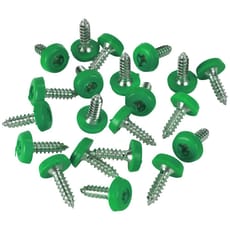
Colour Matching: For roofing and cladding applications, selecting the correct colour is essential for professional results. Match caps to the RAL colour code or manufacturer's colour specification of your panels. Common colours include white, brown, green, grey, and terracotta, though specialist suppliers can often provide caps in custom colours for specific projects.
Material and Finish: Most screw caps are manufactured from durable plastic polymers designed to withstand UV exposure and weathering. Consider whether a matt or gloss finish better matches your substrate material. For exposed applications, ensure the material is UV-stabilised to prevent fading and degradation over time.
Application Environment: Coastal or industrial environments with higher corrosion potential benefit from enclosed head designs that provide better sealing against moisture ingress. For security-sensitive applications like number plates, enclosed or flip cap designs prevent tampering whilst maintaining access when required.
Pack Quantities: Calculate your requirements based on fixing centres and total area. Professional roofing projects may require bulk packs of 1000 units for cost-effectiveness, whilst smaller repairs or DIY applications are better served by smaller pack quantities. Number plate applications typically require just 4-8 caps per installation.
Popular Accessories
- Roofing Screws: Self-drilling screws with hex heads and sealing washers, designed specifically for use with screw caps
- Cladding Fixings: Appropriate fasteners for timber or metal frame fixing before cap installation
- Hex Socket Drivers: 8mm magnetic hex bits for power drills, enabling installation through the cap socket
- Sealing Washers: EPDM or rubber washers that provide weatherproofing beneath screw heads before cap installation
- Number Plate Screws: Purpose-designed screws with integrated caps for automotive applications
- Cordless Impact Drivers: Power tools from Makita, DeWalt, or Milwaukee for efficient high-volume installations
- Touch-Up Paint: For repairing scratched caps or touching up any visible fixings
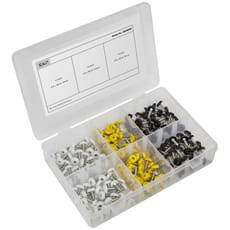
- Screw Assortments: Pre-sorted kits containing various screw sizes and corresponding caps
Frequently Asked Questions
Can screw caps be removed and reused if I need to access the fixings?
Flip cap designs are specifically intended for repeated access, featuring a hinged mechanism that allows opening without removal. Standard snap-fit hexagon caps can typically be removed carefully using a flat blade, though they may not reseat as securely after removal. For applications requiring regular access, flip cap or enclosed head designs with removable features are recommended.
Will screw caps fade or discolour over time in direct sunlight?
Quality UV-stabilised screw caps from reputable manufacturers like Sealey, Timco, and Forgefix are designed to resist fading and maintain colour consistency for many years. However, some colour shift may occur with prolonged exposure to intense UV radiation, particularly with lighter colours. Choosing caps from the same batch as your panels helps ensure any weathering occurs uniformly.
What's the difference between 16mm and 19mm diameter caps?
The diameter measurement corresponds to the width of the cap and must adequately cover the screw head and any sealing washer beneath. 16mm caps suit standard roofing screws with smaller washers, whilst 19mm caps accommodate larger washers or provide more generous coverage. Check your specific screw and washer combination to determine the appropriate cap size for complete concealment.
Do I install the screw through the cap or fit the cap afterwards?
For hexagon screw caps with socket access, the cap is typically placed over the screw head before tightening, allowing your hex driver to pass through the cap's socket. This ensures the cap is properly seated once the screw is tight. Universal snap-fit caps are usually pushed onto the screw head after installation. Number plate screws often feature integrated cap mechanisms that install together.
Can screw caps be used on indoor applications?
Absolutely. Whilst screw caps are commonly associated with external roofing and cladding, they're equally effective for interior applications where a neat, finished appearance is required. Shopfitting, partition systems, decorative panelling, and exhibition stands all benefit from concealed fixings. The same sizing and colour-matching principles apply, though UV resistance becomes less critical for indoor use.