

Scribers

Pay in 3 interest-free payments on purchases from £20-£3000 with  . Learn more.
 Loading...
End of content
Error - No more pages to load
About Scribers
Scribers are precision marking tools essential for accurately scoring lines and reference marks on a wide variety of materials, from soft woods and plastics to hardened steel and ceramics. Unlike pencils or markers that can wear away or become imprecise, scribers create permanent, fine lines by physically scratching the material surface with a hardened or carbide-tipped point. This makes them indispensable for metalworking, engineering, fabrication, and precision woodworking tasks where accuracy is paramount.
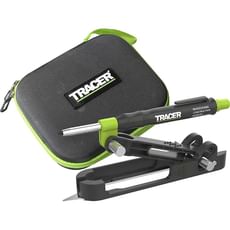
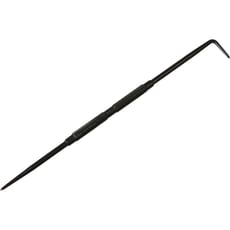
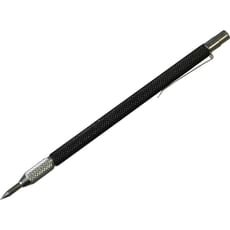
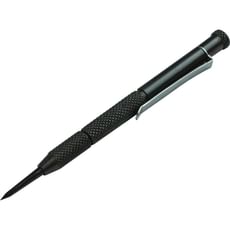
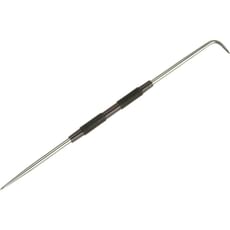
The selection at Tooled-Up.com includes pocket scribers, double-ended scribers, and engineers' scribers from trusted brands including Faithfull, Draper, Priory, and Sealey. Pocket scribers typically feature a compact design with a retractable or protected tip, making them ideal for carrying in tool belts or work aprons. Double-ended scribers offer two points—often a straight tip and a 90-degree angled tip—providing versatility for different marking applications. Many professional-grade scribers feature tungsten carbide or carbide-tipped points that maintain their sharpness even when marking on extremely hard materials.
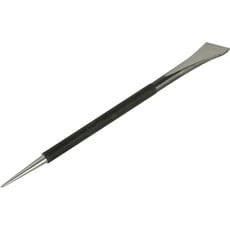
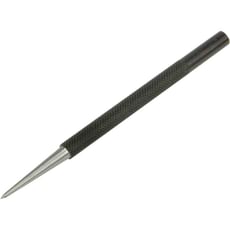
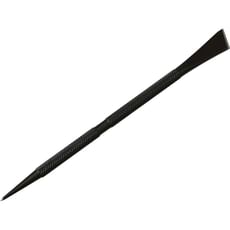
Engineers' scribers are designed specifically for precision metalwork and layout tasks, often featuring knurled grips for better control and hardened steel construction throughout. Some models include combination features such as trammel points for scribing circles and arcs. Whether you're marking cut lines on sheet metal, creating witness marks on components, or laying out complex fabrication work, a quality scriber delivers the accuracy that pencils and markers simply cannot match.
Jargon Buster
- Carbide Tip: A cutting point made from tungsten carbide, an extremely hard material that retains its sharpness when scribing on hardened steel, ceramics, and other tough materials. Carbide-tipped scribers significantly outlast standard hardened steel points.
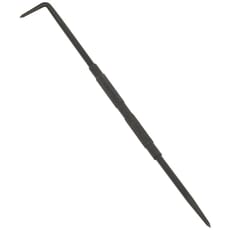
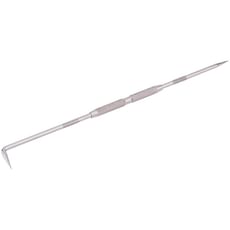
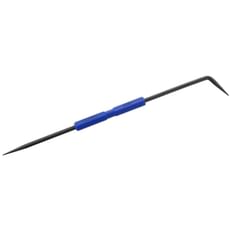
- Double-Ended Scriber: A scriber featuring two marking points, typically one straight point and one bent at 90 degrees. This configuration allows access to awkward angles and tight spaces without changing tools.
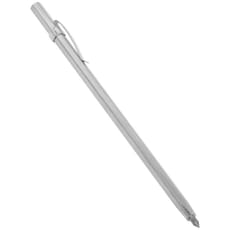
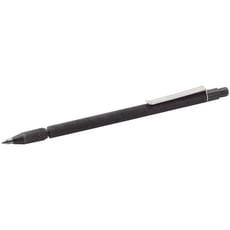
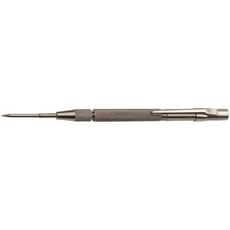
- Pocket Scriber: A compact scriber designed for portability, usually featuring a pocket clip and either a retractable tip or protective cap to prevent injury and tip damage when not in use.
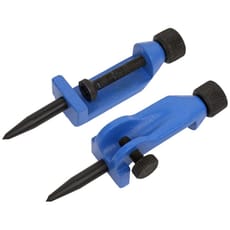
- Trammel Points: Adjustable marking points that attach to a beam or bar to scribe circles, arcs, and radii. These are particularly useful for layout work in metalworking and fabrication.
- Witness Mark: A reference line or mark scribed onto components to indicate alignment, position, or assembly orientation, ensuring parts can be reassembled in the correct configuration.
- Knurled Grip: A textured, diamond-pattern grip machined into the scriber body that provides secure handling even with oily or gloved hands, essential for precision control during marking operations.
Who Uses Scribers?
- Metalworkers and Fabricators: For marking cut lines, bend lines, and layout patterns on sheet metal and structural steel
- Engineers and Machinists: Creating precise reference marks on components and workpieces during manufacturing and machining operations
- Joiners and Carpenters: Marking accurate lines on timber and sheet materials where pencil marks may be too thick for precision work
- Plumbers and Pipefitters: Scribing cut marks and alignment references on metal pipes and fittings
- Automotive Technicians: Marking positions on body panels and mechanical components during repair and restoration work
- Glaziers: Scoring lines on glass and ceramics for cutting operations
- Model Makers and Hobbyists: Creating fine detail marks on plastics, metals, and composite materials for precision assembly
- Site Engineers: Marking reference points and layout positions on structural components during construction projects
How to Choose the Right Scribers
Tip Material: Consider the materials you'll be marking most frequently. Standard hardened steel points work well for softer metals, wood, and plastics, but carbide-tipped scribers are essential for regularly marking hardened steel, stainless steel, ceramics, or other extremely hard materials. Carbide tips maintain their sharpness significantly longer, making them more economical for professional use despite higher initial cost.
Single vs Double-Ended Design: Double-ended scribers with both straight and 90-degree points offer greater versatility, allowing you to reach into corners and mark at awkward angles without switching tools. Single-ended pocket scribers are more compact and portable, ideal for technicians who need a marking tool readily available in a pocket or tool pouch.
Body Construction and Grip: Look for scribers with knurled or textured grips that provide secure handling in workshop conditions. Nickel-plated or chrome-plated finishes resist corrosion in damp environments. The body should feel balanced and comfortable during extended use, particularly for detailed layout work requiring steady control.
Portability Requirements: If you work across multiple sites or need a scriber constantly to hand, pocket models with clips and protective caps prevent both injury and tip damage. Tooled-Up stocks several pocket scriber options from brands including Faithfull and Draper that balance portability with durability.
Application Specifics: For circle and arc scribing, consider trammel point sets that allow precise radius marking. Engineers working on detailed layout projects benefit from combination scribers that integrate multiple functions. Match the tool to your most common tasks rather than opting for unnecessary features.
Popular Accessories
- Engineers' Squares and Try Squares: Essential for guiding scribers to create perfectly straight lines and accurate right angles during layout work
- Marking Blue or Layout Fluid: Applied to metal surfaces to provide high-contrast backgrounds that make scribed lines more visible during precision work
- Combination Sets: Adjustable measuring and marking tools that work alongside scribers for complex layout tasks
- Centre Punches: Used in conjunction with scribers to create permanent reference points at scribed line intersections
- Steel Rules and Straightedges: Guide scribers for creating long, perfectly straight reference lines on sheet materials
- Dividers and Compasses: Complement scribers for transferring measurements and scribing circles in metalworking applications
- Surface Plates: Provide flat reference surfaces for precision marking and layout operations
Safety Information
Scribers feature extremely sharp points capable of causing puncture injuries. Always replace protective caps or retract points when not in use, and never carry uncapped scribers loose in pockets or tool bags. When scribing, ensure workpieces are securely clamped or fixed to prevent movement that could cause the scriber to slip and potentially cause injury.
Wear appropriate eye protection when scribing, particularly on hard materials where the point may skip across the surface. Metal fragments and dust generated during scribing operations can cause eye injuries. When working with carbide-tipped scribers on very hard materials, small particles may become airborne, making safety glasses or goggles essential PPE.
Store scribers separately from other hand tools to protect both the precision points and prevent accidental injuries when reaching into toolboxes. Consider magnetic tool holders or dedicated compartments in tool storage systems. Always inspect scriber points before use—damaged or worn points can slip during marking, creating both safety hazards and inaccurate work.
Frequently Asked Questions
What's the difference between a scriber and a scratch awl?
While both create marks by scratching material surfaces, scribers are designed specifically for precision marking and layout work, featuring hardened or carbide points that maintain fine, accurate lines. Scratch awls typically have thicker, less precise points intended for general-purpose marking and starting holes for screws. Scribers deliver the accuracy required for engineering and metalworking applications.
Can I sharpen a carbide-tipped scriber?
Carbide tips should not require sharpening during normal use as they're extremely hard and wear-resistant. If a carbide tip becomes damaged, it typically requires replacement rather than resharpening. Standard hardened steel scriber points can be carefully sharpened using fine grinding or honing, though this requires skill to maintain the correct point geometry.
Why do some scribers have bent or angled tips?
The 90-degree bent tip found on double-ended scribers allows marking in confined spaces and against shoulders or edges where a straight point cannot reach. This angled configuration is particularly valuable in metalworking and engineering applications where components often have complex geometries requiring marks at various angles.
Will scribers work on stainless steel?
Carbide-tipped scribers available from Tooled-Up work effectively on stainless steel and other hardened materials. Standard hardened steel points may struggle with harder stainless steel grades and will dull more quickly. For regular stainless steel marking, invest in a quality carbide-tipped model from brands such as Faithfull, Draper, or Sealey.
How do I prevent scribed lines from rusting on steel?
Scribed lines remove protective coatings and expose bare metal to oxidation. For permanent reference marks that must remain visible, apply layout fluid before scribing, or treat scribed lines with light oil or corrosion inhibitor. For temporary marks, remove them after use or apply protective coatings once fabrication work is complete.