

Scutch Chisels

Pay in 3 interest-free payments on purchases from £20-£3000 with  . Learn more.

 Loading...
End of content
Error - No more pages to load
About Scutch Chisels
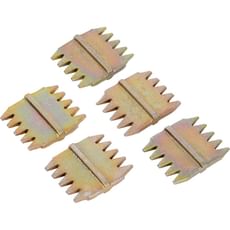
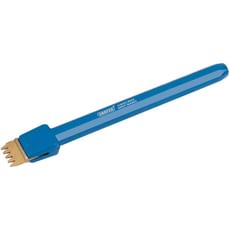
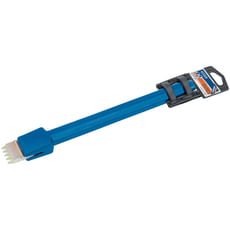
Scutch chisels are specialised masonry tools designed for removing mortar, cutting bricks, and dressing stone surfaces. These robust implements consist of a holding chisel with an octagonal or hexagonal shank and a recessed end that accepts interchangeable scutch combs or plain blades. Whether you're pointing brickwork, removing render, or preparing masonry surfaces for renovation work, scutch chisels provide the controlled cutting action required for precision stone and brick work.
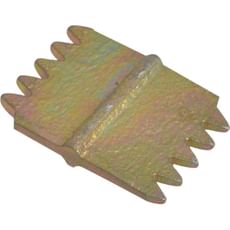
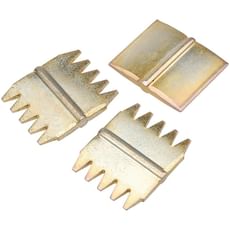
The scutch system comprises two main components: the holder (or driving chisel) and the replaceable scutch combs or blades. Comb scutches feature multiple toothed edges ideal for raking out mortar joints and creating clean channels between bricks, whilst plain scutches provide a flat cutting edge for dressing stone, removing excess mortar, or shaping brickwork. Available in standard sizes of 25mm and 38mm widths, these tools are struck with a club hammer or lump hammer to deliver the force needed for cutting through hardened masonry materials.
Tooled-Up.com stocks scutch chisels and accessories from trusted manufacturers including Draper, Faithfull, Roughneck, FootPrint, and Sealey. The range includes complete sets with multiple comb configurations, individual holders, and replacement combs to suit both professional masons and DIY enthusiasts tackling brickwork restoration projects.
Jargon Buster
- Scutch Comb: The replaceable toothed blade that fits into the holder, featuring multiple pointed teeth designed to rake out mortar from between bricks without damaging the masonry. Available in various tooth configurations for different joint widths.
- Plain Scutch: A flat, blade-style scutch without teeth, used for dressing stone surfaces, removing render, trimming excess mortar, and general cutting work on masonry materials.
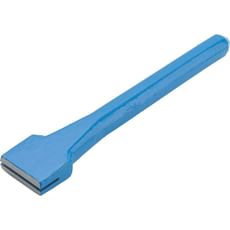
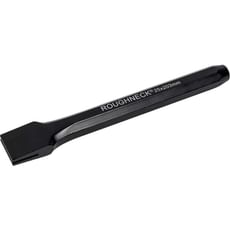
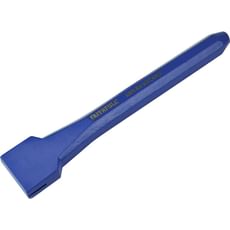
- Holding Chisel: The main body of the tool with an octagonal shank designed to be struck with a hammer. Features a recessed socket end that securely holds the interchangeable scutch combs or plain blades.
- Pointing: The process of finishing or repairing mortar joints between bricks or stones, often requiring the use of comb scutches to remove deteriorated mortar before applying fresh pointing material.
- Dressing: The technique of shaping, smoothing, or trimming stone and brick surfaces to achieve the desired finish or dimension, typically performed with plain scutches.
- Raking Out: Removing old or damaged mortar from joints between bricks or stones to a specified depth, preparing the joint for repointing. Comb scutches excel at this task due to their toothed design.
Who Uses Scutch Chisels?
- Bricklayers and Stonemasons: Professional tradespeople who use scutch chisels daily for mortar removal, joint preparation, and brick dressing during new builds and restoration work.
- Heritage Building Specialists: Craftspeople working on listed buildings and conservation projects who require precise tools for sympathetic masonry restoration without causing damage to historic materials.
- Repointing Contractors: Specialists who focus on mortar joint repair and replacement, relying on comb scutches to efficiently rake out deteriorated pointing material.
- General Builders: Construction professionals who undertake masonry work as part of broader building projects, using scutch chisels for brick cutting, render removal, and site preparation.
- Maintenance Teams: Property maintenance workers and facilities management personnel who perform ongoing repairs to brickwork and masonry structures.
- DIY Enthusiasts: Homeowners tackling garden wall repairs, repointing projects, or masonry restoration work around their properties.
- Landscape Gardeners: Professionals who build and maintain decorative brickwork, garden walls, and stone features requiring precise mortar work.
How to Choose the Right Scutch Chisels
Width Size: Select between 25mm and 38mm widths based on your typical joint sizes and work scale. The 25mm size suits standard domestic brickwork and tighter joints, whilst 38mm variants are better for larger commercial projects and wider mortar beds.
Comb Configuration: Consider purchasing sets that include both comb and plain scutches for maximum versatility. Comb scutches with different tooth spacings accommodate various joint widths, whilst plain scutches handle general dressing and cutting tasks.
Build Quality: Look for holders manufactured from drop-forged steel with hardened striking heads to withstand repeated hammer blows without mushrooming. Quality brands available at Tooled-Up ensure longevity even under professional-level use.
Shank Design: Octagonal shanks provide better grip and prevent rotation in the hand during use compared to round profiles. This design feature improves accuracy and reduces hand fatigue during extended repointing sessions.
Replacement Availability: Choose systems where replacement combs and blades are readily available. Scutch combs are consumable items that wear through regular use, so accessible replacements ensure your tool remains productive throughout its service life.
Set or Individual Components: Beginners and DIYers may prefer complete sets that include a holder plus multiple comb and plain options, providing everything needed to start work. Professional users often purchase holders and replacement combs separately to maintain their existing toolkits.
Popular Accessories
- Club Hammers and Lump Hammers: Essential striking tools for driving scutch chisels, typically in 2lb to 4lb weights for controlled force application.
- Replacement Scutch Combs: Spare toothed blades in various tooth configurations to maintain productivity as cutting edges wear down through use.
- Pointing Trowels: For applying fresh mortar after raking out joints with comb scutches, completing the repointing process.
- Wire Brushes: For cleaning out debris and dust from raked joints before applying new pointing material.
- Cold Chisels and Bolster Chisels: Complementary masonry chisels for heavier cutting work and brick splitting tasks.
- Safety Goggles and Dust Masks: Essential PPE for protecting eyes from flying masonry fragments and preventing inhalation of mortar dust.
- Work Gloves: Heavy-duty protective gloves to cushion impact vibrations and protect hands from rough masonry surfaces.
- Mortar Rakes: Alternative tools for joint preparation on softer mortars where mechanical raking methods are preferred.
Safety Information
Eye Protection: Always wear approved safety goggles or safety glasses when using scutch chisels. Striking hardened steel on masonry generates high-velocity fragments that pose serious injury risks to unprotected eyes.
Hand Protection: Use appropriate work gloves to absorb vibration and protect hands from impact shock. Repeated hammer strikes transmit significant force through the tool, potentially causing hand fatigue and long-term joint problems without proper protection.
Respiratory Protection: Wear a dust mask or respirator when working on masonry, particularly during extended repointing sessions. Mortar dust contains silica particles that present serious respiratory hazards with prolonged exposure, as outlined in HSE guidance on construction dust.
Tool Inspection: Regularly examine both the holding chisel and scutch combs for damage. Replace any components showing cracks, chips, or mushrooming on striking surfaces. Damaged tools can shatter under impact, creating dangerous projectiles.
Work Area: Ensure adequate workspace clearance and warn others before commencing work. Flying masonry fragments can travel considerable distances, potentially injuring bystanders in the vicinity.
Proper Technique: Hold the scutch chisel firmly at the correct angle and strike accurately with controlled force. Glancing blows or awkward angles increase the risk of tool slippage and hand injuries.
Frequently Asked Questions
What's the difference between comb and plain scutches?
Comb scutches feature multiple teeth designed specifically for raking out mortar from joints between bricks, creating clean channels for repointing work. Plain scutches have a flat cutting edge suited to dressing stone, removing render, trimming excess mortar, and general masonry cutting tasks. Most tradespeople keep both types available for different applications.
How long do scutch combs last before needing replacement?
Lifespan depends on usage intensity and material hardness. Professional masons working on hard engineering bricks may need replacement combs after several days of continuous use, whilst DIY users tackling occasional repointing might find combs last for years. The teeth gradually wear down and become less effective at cutting, indicating replacement time.
Can I use a scutch chisel with a claw hammer?
No, scutch chisels should only be struck with club hammers or lump hammers designed for masonry work. Claw hammers lack sufficient weight for effective cutting and their striking faces aren't designed for repeated impact on hardened steel tools, risking damage to both hammer and chisel.
What size scutch chisel do I need for standard house bricks?
A 25mm width scutch chisel suits most standard domestic brickwork perfectly, accommodating typical mortar joint widths found in residential construction. This size provides good control and precision for repointing work on garden walls, house facades, and general masonry repairs around the home.
Are scutch chisels suitable for removing tile adhesive?
Whilst scutch chisels can remove some tile adhesive, they're primarily designed for mortar and masonry work. For efficient tile adhesive removal, dedicated tools like SDS chisels with scraper attachments typically prove more effective. However, plain scutches can dress surfaces and remove stubborn residue once bulk material has been cleared.