

Scythe Stones
Pay in 3 interest-free payments on purchases from £30-2000 with  . Learn more.
 Loading...
End of content
Error - No more pages to load
About Scythe Stones
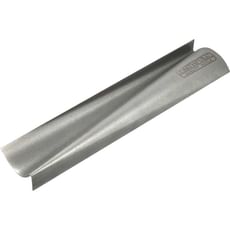
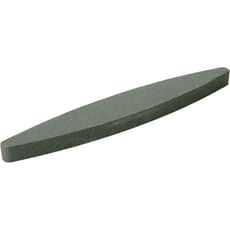
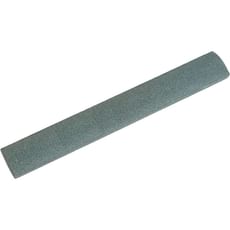
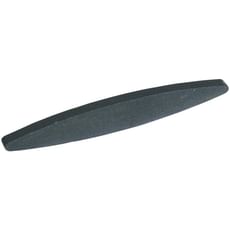
Scythe stones are specialised sharpening tools designed to maintain and restore the cutting edge of scythes, sickles, and other long-bladed agricultural implements. Unlike conventional bench stones or sharpening files, scythe stones are specifically shaped and formulated to work in the field, allowing users to refresh their blade's edge during extended periods of cutting grass, corn, or other vegetation. The stones are available in both flat and oval profiles, each suited to different sharpening techniques and blade geometries.
Traditional scythe stones are manufactured from silicon carbide or natural abrasive materials, chosen for their ability to cut steel quickly whilst being robust enough to withstand field conditions. Modern variations include diamond-coated sharpening stones that offer superior cutting speed and longevity. The selection at Tooled-Up includes flat silicon carbide stones ideal for maintaining a consistent bevel angle, as well as oval stones that allow for a more intuitive, sweeping sharpening motion favoured by experienced users.
Most scythe stones measure between 200mm and 230mm in length, providing sufficient surface area for controlled sharpening strokes whilst remaining portable enough to carry in a pocket or belt holster. Whether you're maintaining traditional hand tools for small-scale agriculture, managing conservation land, or pursuing traditional crafts, proper sharpening equipment is essential for efficient and safe cutting performance.
Jargon Buster
- Silicon Carbide: A synthetic abrasive compound renowned for its hardness and sharp cutting characteristics. Silicon carbide stones cut faster than natural stones and are particularly effective on hardened steel blades.
- Diamond Whetstone: A sharpening stone coated with industrial diamond particles bonded to a metal or composite base. Diamond stones offer exceptional durability and the fastest material removal rates of any sharpening medium.
- Grit: The measure of abrasive particle size in a sharpening stone. Lower numbers indicate coarser abrasives for repairing damaged edges, whilst higher numbers denote finer grits for polishing and honing.
- Peening: The traditional technique of cold-working a scythe blade with a hammer to thin and extend the cutting edge before sharpening. Scythe stones are then used to refine the peened edge to razor sharpness.
- Oval Profile: A scythe stone with a rounded cross-section that allows users to maintain consistent contact with curved blade surfaces and employ traditional circular sharpening motions.
- Flat Profile: A scythe stone with flat sharpening surfaces that provides precise control over sharpening angle, particularly useful for establishing or maintaining specific bevel geometries.
Who Uses Scythe Stones?
- Agricultural Workers: Farmers and smallholders who maintain traditional scything equipment for hay making, pasture management, and crop harvesting
- Conservation Volunteers: Individuals managing meadows, nature reserves, and heritage landscapes where mechanical equipment may be inappropriate or impractical
- Groundskeepers: Estate managers and gardeners maintaining ornamental grasslands, wildflower meadows, and areas inaccessible to conventional mowing equipment
- Heritage Craft Practitioners: Those preserving traditional agricultural skills and demonstrating historical farming techniques at museums and heritage sites
- Allotment Holders: Gardeners who prefer traditional, quiet, and environmentally friendly alternatives to petrol strimmers for managing vegetation
- Permaculture Enthusiasts: Practitioners of sustainable agriculture who value low-impact, manually powered tools for small-scale food production
- Tool Collectors: Individuals restoring and maintaining vintage agricultural implements who require appropriate sharpening equipment
How to Choose the Right Scythe Stones
Selecting the appropriate scythe stone depends primarily on your sharpening experience and the condition of your blades. Beginners often find flat silicon carbide stones easier to control, as they provide stable, predictable contact with the blade surface and make it simpler to maintain a consistent sharpening angle. Experienced users may prefer oval stones for their versatility and the fluid, rhythmic sharpening motion they facilitate.
Consider the abrasive material carefully. Traditional silicon carbide stones available from Tooled-Up.com offer excellent value and perform admirably for regular maintenance sharpening. However, if you sharpen frequently or work with particularly hard blade steel, diamond-coated stones provide superior longevity and faster cutting action, potentially justifying their higher initial cost through extended service life.
The stone dimensions matter for practical use. Standard lengths of 200-230mm suit most applications, providing adequate working surface without becoming cumbersome to carry. Stones within this range fit comfortably in typical holsters and pockets, ensuring they're readily accessible when blade performance begins to deteriorate during extended cutting sessions.
Think about your sharpening environment. If you work primarily in the field away from water sources, consider how you'll lubricate your stone. Many traditional users carry stones in water-filled holsters, allowing the stone to remain wet and ready for use. Silicon carbide stones can be used with water or light oil, whilst diamond stones often perform best dry or with minimal lubrication.
Popular Accessories
- Stone Holsters: Purpose-made carriers that attach to belts and can hold water to keep stones properly lubricated during field use
- Honing Oil: Specialised lubricants that reduce friction, prevent stone loading, and improve sharpening efficiency for oil-compatible stones
- Blade Anvils: Small portable anvils used for peening scythe blades to restore the cutting edge geometry before sharpening
- Peening Hammers: Lightweight hammers designed specifically for cold-working thin blade edges during the peening process
- Bench Stones: Larger sharpening stones for comprehensive blade restoration work when field sharpening is insufficient
- Blade Protectors: Guards that cover sharp edges during transport and storage, protecting both the blade and the user
Frequently Asked Questions
What's the difference between flat and oval scythe stones?
Flat scythe stones provide better control over sharpening angle and are generally easier for beginners to use effectively. Oval stones allow for more fluid, sweeping motions and work well on curved blade profiles, but require more practice to master. Both types achieve excellent results when used correctly, so choice often comes down to personal preference and experience level.
How often should I sharpen my scythe during use?
Most experienced scythers touch up their blade every 5-15 minutes of continuous cutting, or whenever they notice the blade beginning to push through grass rather than slicing cleanly. Regular light sharpening with a scythe stone maintains peak performance and actually requires less effort than allowing the edge to become significantly dulled before addressing it.
Should I use water or oil with my scythe stone?
Silicon carbide scythe stones work effectively with either water or light oil, though water is traditional for field use as it's readily available and easier to clean. Diamond stones typically perform best dry or with minimal water. Avoid switching between water and oil on the same stone, as oil contamination can reduce a water stone's effectiveness.
Can I use a scythe stone for sharpening other tools?
Whilst scythe stones are optimised for long, sweeping blade edges, they can certainly sharpen sickles, brush hooks, machetes, and similar agricultural implements. However, their portable size and relatively coarse grit make them less suitable for precision work on chisels, plane irons, or kitchen knives, where bench stones would be more appropriate.
How do I know when my scythe stone needs replacing?
Silicon carbide stones should be replaced when they become significantly worn, developing deep grooves or becoming too thin to hold comfortably. Diamond stones lose effectiveness when the diamond coating wears away, indicated by noticeably slower cutting action. Brands like Faithfull and Draper, stocked at Tooled-Up, manufacture durable stones that typically provide years of service with proper care.