

Sealant Smoothers & Finishers
Pay in 3 interest-free payments on purchases from £30-2000 with  . Learn more.
 Loading...
End of content
Error - No more pages to load
About Sealant Smoothers & Finishers
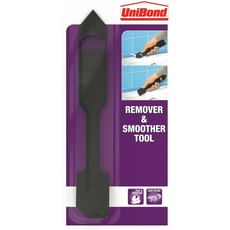
Sealant smoothers and finishers are specialist hand tools designed to create professional, perfectly formed edges when applying sealant or caulk around baths, showers, sinks, windows, and other sealed joints throughout the home and workplace. These ingenious tools eliminate the traditional—and often messy—finger-smoothing method, delivering cleaner, more consistent results whilst protecting your hands from direct contact with potentially irritating chemical compounds commonly found in silicone sealants and adhesives.
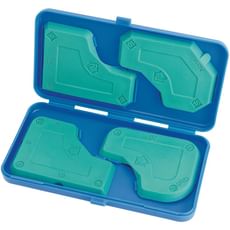
Available as individual tools or comprehensive multi-piece kits, sealant smoothers typically feature multiple profiled edges to accommodate different joint sizes and sealing applications. Most tools are manufactured from durable, chemical-resistant plastic or flexible silicone, with various radiused profiles that match common sealant bead sizes from narrow 6mm gaps through to wider 28mm joints. Complete finishing kits often include additional accessories such as scraper tools for removing old sealant, masking tape for creating straight edges, and interchangeable profiled heads for versatility across different sealing projects.
Whether you're a professional plumber, bathroom fitter, decorator, or DIY enthusiast tackling home improvement projects, sealant smoothers and finishers from trusted brands including Draper, Unibond, Everbuild, Vitrex, and Roughneck deliver consistently professional finishes that would be difficult to achieve by hand alone. These affordable, essential tools transform what can be a frustrating task into a straightforward process, ensuring waterproof joints with a neat, factory-quality appearance every time.
Jargon Buster
- Sealant Bead: The continuous line of sealant material applied along a joint or gap. The bead size refers to its width and height after application and smoothing, typically ranging from 6mm to 28mm for most domestic applications.
- Profiled Edge: The shaped, curved edge of a smoother tool, specifically designed to match particular joint sizes. Quality tools often feature multiple profiles on a single unit, allowing one tool to handle various bead widths from narrow window seals to wider bathroom joints.
- Caulking: The process of sealing joints or seams in various structures, pipework, and building elements. Often used interchangeably with 'sealing', though caulk traditionally refers to flexible, paintable sealants used around architraves and skirting boards.
- Silicone Sealant: A flexible, waterproof sealant commonly used in wet environments like bathrooms and kitchens. Available in acetoxy-cure formulations (recognisable by their vinegar-like acetic acid smell) and neutral-cure varieties that are more suitable for metal and natural stone.
- Joint Preparation: The crucial process of cleaning and preparing surfaces before sealant application, including removing old deteriorated sealant, degreasing surfaces, and ensuring everything is completely dry for proper adhesion.
- Fugi Tool: A trademarked name that has become genericised amongst tradespeople to describe any multi-profile sealant smoothing tool, similar to how 'Hoover' is commonly used for vacuum cleaners regardless of brand.
Who Uses Sealant Smoothers & Finishers?
Sealant smoothers and finishers are valuable tools across numerous trades and applications:
- Plumbers - for sealing around sanitaryware, pipework penetrations, bath installations, and creating waterproof joints in wet areas
- Bathroom and Kitchen Fitters - essential for achieving professional finishes around baths, shower enclosures, sinks, splashbacks, and worktop installations
- Window Fitters and Glaziers - for sealing window frames, conservatory installations, and glazing beads with neat, weatherproof joints
- Decorators and Painters - smoothing decorator's caulk around skirting boards, architraves, coving, and cornicing for seamless painted finishes
- General Builders - for various sealing applications on site work, from external weatherproofing to internal finishing details
- Maintenance Technicians - resealing deteriorated joints in commercial and residential properties as part of routine upkeep
- Property Maintenance Contractors - for regular maintenance programmes and refurbishment work across multiple properties
- DIY Enthusiasts and Homeowners - tackling bathroom renovations, kitchen installations, window sealing, or general home maintenance projects
How to Choose the Right Sealant Smoothers & Finishers
When selecting sealant smoothers and finishers, consider these key factors to ensure you choose the most suitable tool for your requirements:
Profile Sizes: Assess the typical joint sizes you'll be working with most frequently. Single-profile tools are economical for repetitive work on standardised joints, whilst multi-profile tools or complete kits offer versatility for varied applications. Most tools accommodate joints from 6mm through to 28mm width, with 10mm, 12mm, and 15mm being the most commonly used sizes for bathroom and kitchen work.
Kit Contents: Complete sealant finishing kits typically include multiple smoothers with different profiled edges, scraper tools for removing old sealant, and sometimes masking tape or specialised application nozzles. Tooled-Up stocks comprehensive kits that represent excellent value if you require full functionality, whilst individual tools suit professionals with specific, repetitive requirements.
Material Construction: Quality smoothers are manufactured from durable, chemical-resistant plastic or flexible silicone that won't degrade when in contact with solvents commonly found in sealants. Flexible silicone tools can be particularly useful for working around curved surfaces and profiled sanitaryware, whilst rigid plastic versions excel on straight runs and provide more control for beginners.
Brand Reputation: Established brands like Draper, Unibond, Everbuild, Vitrex, and Roughneck have proven track records for producing reliable, long-lasting tools. Unibond's specialist sealant tools are particularly well-regarded amongst bathroom fitters, whilst Draper offers excellent value multi-piece kits that include everything needed for complete sealant removal and reapplication.
Multi-Function Capability: Some tools, particularly 5-in-1 designs, incorporate additional functions such as scraping edges for old sealant removal, nozzle cleaning points, cartridge puncturing tools, and grout smoothing capabilities. These versatile options reduce the number of separate tools required on site, making them ideal for mobile tradespeople.
Ergonomics and Handling: Consider how the tool feels in your hand, especially if you'll be using it frequently throughout the day. Tools with ergonomic designs and textured grips provide better control and reduce hand fatigue during extended use on larger projects.
Popular Accessories
Enhance your sealant application projects with these complementary products available from Tooled-Up:
- Sealant and Adhesive Cartridges - silicone, acrylic, MS polymer, and specialist sealants for various applications and substrates
- Skeleton Caulking Guns - manual and battery-powered applicators for controlled, consistent sealant dispensing
- Sealant Remover Tools - specialist scrapers, blades, and utility knives designed specifically for removing old, deteriorated sealant
- Masking Tape - decorator's tape and low-tack varieties for creating perfectly straight edges and protecting adjacent surfaces
- Surface Preparation Wipes - alcohol or solvent-based cleaners for degreasing and preparing surfaces before sealant application
- Filling Knives - flexible steel blades for filling larger gaps and smoothing surfaces alongside detailed sealant work
- Spray Bottles - for dispensing soapy water or specialist smoothing fluid to prevent tools sticking to uncured sealant
- Protective Gloves - nitrile or latex gloves for hand protection when handling sealants and chemical cleaners
- Utility Knives and Blades - for cutting sealant cartridge nozzles and trimming excess material
Frequently Asked Questions
Q: Can I smooth sealant with my finger instead of using a dedicated tool?
A: While finger-smoothing is a traditional method still used by some tradespeople, specialist smoothing tools provide significantly more consistent, professional results with perfectly uniform profiles. They also prevent repeated skin contact with sealants, which can cause irritation, sensitisation, or dermatitis with prolonged exposure. Tools are particularly beneficial when working with acetoxy-cure silicones that release acetic acid during the curing process, which can be harsh on skin.
Q: Which profile size should I use for sealing around my bath or shower?
A: Most bath and shower joints work well with profiles between 10mm and 15mm, depending on the gap size and depth. The profile should be slightly larger than your applied bead to ensure proper contact and smoothing action. Many professional bathroom fitters use 12mm as a standard size, which provides good coverage without excessive sealant waste. For larger gaps or uneven surfaces, a 15mm profile may be more appropriate.
Q: Do sealant smoothers work with all types of sealant and caulk?
A: Yes, smoothing tools are compatible with all common sealant types including silicone, acrylic, MS polymer, polyurethane, and decorator's caulk. The key to success is smoothing the bead promptly after application, before a surface skin forms. Using a light spray of soapy water (a few drops of washing-up liquid in a spray bottle) helps prevent the tool sticking to uncured sealant and produces an even smoother finish.
Q: How do I clean and maintain sealant smoothers after use?
A: For uncured sealant, wipe tools immediately with kitchen roll or a clean cloth, then wash thoroughly with warm soapy water. For cured silicone residue that has hardened on the tool, you can usually peel it off carefully—quality silicone releases easily from smooth plastic surfaces. Avoid using sharp objects that might damage the profiled edges. Store tools clean and dry to maximise their working life and maintain accurate profiles.
Q: Are complete sealant kits better value than buying individual tools?
A: For most users, particularly those new to sealant work or undertaking complete bathroom renovations, multi-piece kits offer excellent value for money. They include multiple profile sizes and additional accessories like scrapers and sometimes masking tape that you'd need to purchase separately otherwise. Professional tradespeople doing repetitive work on standardised installations might prefer purchasing individual replacement tools for their most frequently used profile sizes, but kits remain the most economical starting point.