

Seam Rollers

Pay in 3 interest-free payments on purchases from £20-£3000 with  . Learn more.
 Loading...
End of content
Error - No more pages to load
About Seam Rollers
Seam rollers are essential hand tools designed specifically for smoothing wallpaper seams and eliminating air bubbles during paper hanging. These compact tools feature a cylindrical roller, typically 38mm in width, mounted on a handle that allows decorators to apply firm, even pressure along wallpaper joints without damaging the paper surface. The roller's smooth action ensures that seams lie flat and invisible once the adhesive has dried, creating a professional finish that's essential for high-quality decorating work.
The seam rollers available from Tooled-Up.com are manufactured by trusted brands including Faithfull, Draper, and Stanley, each offering variations in handle design and roller materials to suit different user preferences. Most models feature soft grip or rubberised handles that provide comfort during extended use and reduce hand fatigue on larger decorating projects. The rollers themselves are typically constructed from smooth plastic or similar non-marking materials that won't crush delicate papers or leave impressions on embossed or textured wallcoverings.
Whether you're hanging standard wallpaper, vinyl coverings, or specialist decorative papers, a quality seam roller is indispensable for achieving seamless joints. These tools are equally valuable for professional decorators working on multiple rooms daily and DIY enthusiasts tackling home improvement projects. The compact size and simple operation make seam rollers accessible to users of all skill levels, whilst their durability ensures they remain reliable tools for years of decorating work.
Jargon Buster
- Seam Roller: A hand tool with a cylindrical roller used to press down wallpaper seams and edges, ensuring proper adhesion and a flat, invisible joint between strips of wallpaper.
- Roller Width: The measurement across the roller cylinder, typically 38mm for standard seam rollers, which provides optimal coverage for most wallpaper seam widths without overlapping onto the main paper surface.
- Soft Grip Handle: An ergonomically designed handle covered with rubber or similar cushioning material that reduces pressure points and improves comfort during repetitive rolling actions.
- Non-Marking Roller: A roller made from materials that won't leave impressions, crush delicate papers, or damage embossed patterns when firm pressure is applied during seam smoothing.
- Air Bubbles: Pockets of trapped air between wallpaper and wall surface that create unsightly bumps; seam rollers help work these out towards the edges before adhesive sets.
- Wallpaper Seam: The join where two strips of wallpaper meet edge-to-edge on a wall; proper rolling of this joint is critical for an invisible, professional finish.
Who Uses Seam Rollers?
- Professional Decorators: Tradespeople who specialise in interior decorating and paper hanging use seam rollers daily to ensure perfect finishes on client projects.
- Painting and Decorating Contractors: Businesses providing comprehensive decorating services rely on these tools for efficient, high-quality wallpaper installations.
- Maintenance Teams: Property maintenance workers in commercial buildings, hotels, and housing associations who handle periodic redecorating work.
- Interior Designers: Professionals who may undertake hands-on installation of specialty wallcoverings as part of bespoke interior projects.
- DIY Enthusiasts: Homeowners tackling their own decorating projects who want to achieve professional-looking results without hiring contractors.
- Shopfitters: Specialists who install wallcoverings as part of retail and commercial fit-out projects.
- Heritage Restoration Specialists: Professionals working on period properties who often deal with traditional wallpaper installation techniques.
How to Choose the Right Seam Rollers
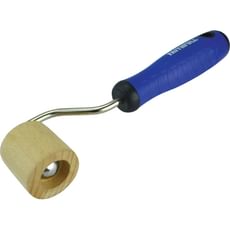
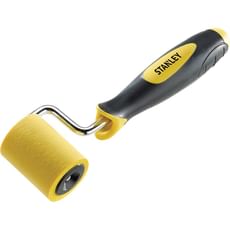
Handle Design: Consider the handle style that best suits your grip and working method. Soft grip handles reduce fatigue during extended use, whilst traditional wooden handles offer a classic feel. The ergonomic design of modern handles like those featured in the Stanley Dynagrip range provides excellent control and comfort.
Roller Material: Select rollers made from smooth, non-marking materials that won't damage delicate papers. Plastic rollers are standard and work well for most applications, whilst some specialists prefer softer roller materials for particularly delicate or embossed papers.
Roller Width: The standard 38mm width suits most wallpaper seams perfectly, providing adequate coverage without rolling onto the main paper surface where pressure marks might show. This dimension has become the industry standard for good reason.
Frame Construction: Look for durable frame materials such as stainless steel, which resist corrosion from paste and adhesives whilst maintaining structural integrity through years of use. The frames should hold the roller securely without wobble or play.
Brand Reputation: Established manufacturers like Faithfull, Draper, and Stanley have proven track records in decorating tools. Browse the selection at Tooled-Up.com to compare options from these trusted brands.
Budget Considerations: Seam rollers are relatively inexpensive tools, but investing in quality construction pays dividends in comfort and longevity, particularly for professional users who rely on their tools daily.
Popular Accessories
- Wallpaper Brushes: Smoothing brushes for working out bubbles across larger paper surfaces before detail work with the seam roller.
- Paste Brushes: Specialist brushes for applying adhesive evenly to wallpaper or wall surfaces.
- Wallpaper Scissors and Trimming Knives: Essential cutting tools for sizing paper strips and trimming edges accurately.
- Papering Tables: Folding tables providing the flat surface needed for measuring, cutting, and pasting wallpaper.
- Plumb Lines and Spirit Levels: Marking tools ensuring the first strip hangs perfectly vertical, which is critical for pattern alignment.
- Sponges and Cloths: For cleaning excess paste from seams and paper surfaces during installation.
- Decorator's Buckets: For mixing and applying wallpaper paste cleanly and efficiently.
- Stepladders: Safe access equipment for reaching ceiling heights and upper wall sections during paper hanging.
Frequently Asked Questions
Can I use a seam roller on all types of wallpaper?
Seam rollers work excellently on standard wallpapers, vinyls, and most modern wallcoverings. However, exercise caution with heavily embossed, foil, or grasscloth papers where pressure might flatten textures or leave marks. For these delicate materials, use lighter pressure or consider alternative smoothing methods. Always test in an inconspicuous area first if you're uncertain.
How much pressure should I apply when using a seam roller?
Apply firm but moderate pressure—enough to ensure good contact between paper and wall without crushing the paper or forcing excessive paste from the seams. The goal is to create adhesion and work out air bubbles, not to compress the paper. With practice, you'll develop a feel for the right amount of pressure for different paper types.
Why shouldn't I roll the entire wallpaper surface?
Seam rollers are designed specifically for edges and seams. Rolling the entire paper surface can crush textures, create shiny marks, or force too much paste from beneath the paper, potentially causing adhesion problems. Use a wallpaper brush or smoothing tool for working the main paper surface.
How do I clean my seam roller after use?
Wash the roller thoroughly in warm water immediately after use to remove all paste residue before it dries. Dried paste can create bumps on the roller surface that will mark subsequent papers. Pay particular attention to where the roller meets the frame where paste can accumulate. Allow to dry completely before storage.
Will a seam roller work with pre-pasted wallpaper?
Absolutely. Seam rollers are equally effective with pre-pasted, paste-the-wall, and traditionally pasted papers. The roller's function—ensuring good seam adhesion and eliminating air bubbles—is necessary regardless of the paste application method. In fact, seam rolling is often more critical with pre-pasted papers where adhesive distribution may be less uniform.