

Security Chains & Cable

Pay in 3 interest-free payments on purchases from £20-£3000 with  . Learn more.
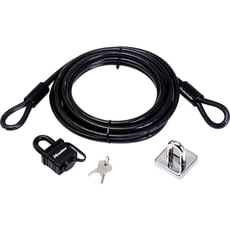
 Loading...
End of content
Error - No more pages to load
About Security Chains & Cable
Security chains and cables are essential protective solutions designed to safeguard valuable equipment, tools, vehicles, and property from theft. These heavy-duty security products combine robust materials with versatile designs to provide reliable protection in a wide range of applications, from securing bicycles and motorcycles to protecting power tools, garden equipment, and site machinery. Available in various lengths, thicknesses, and security ratings, security chains and cables offer flexible yet formidable barriers against opportunistic theft and determined attacks.
The range at Tooled-Up.com includes security cables manufactured from braided steel wire with protective vinyl coatings, as well as hardened steel chains with reinforced links resistant to cutting, sawing, and bolt cropping. Many products feature integrated locking mechanisms or come supplied with high-security padlocks, offering complete security solutions straight from the package. Security ratings from independent testing bodies such as Sold Secure provide clear guidance on the level of protection offered, with Bronze, Silver, and Gold ratings indicating increasing resistance to attack.
Whether protecting expensive power tools on construction sites, securing bicycles in public spaces, or safeguarding garden machinery in sheds and outbuildings, choosing the appropriate security chain or cable is crucial for effective theft prevention. The right product balances portability with protection, offering sufficient deterrent value whilst remaining practical for everyday use across domestic, commercial, and industrial environments.
Jargon Buster
- Hardened Steel: Steel that has undergone heat treatment processes to increase its resistance to cutting, drilling, and physical attack. Hardened steel chains offer significantly greater security than standard steel alternatives.
- Link Diameter: The thickness of the metal rod used to form each link in a security chain, typically measured in millimetres. Thicker links (10mm+) provide greater resistance to bolt croppers and cutting tools.
- Sold Secure Rating: An independent testing standard administered by the Master Locksmiths Association that grades security products as Bronze, Silver, or Gold based on their resistance to various attack methods and tools.
- Vinyl Coating: A protective plastic layer applied to security cables and chains to prevent scratching of painted surfaces, reduce rattling noise, and provide weather resistance whilst maintaining security integrity.
- Shackle Compatibility: The internal diameter of a padlock shackle that determines which chains and cables it can secure. Thicker security chains require padlocks with larger shackle clearances.
- Cut Resistance: The ability of a security product to withstand attack from cutting tools such as bolt croppers, angle grinders, and hacksaws, typically measured through standardised testing procedures.
Who Uses Security Chains & Cable?
- Construction Professionals: Site managers and tradespeople securing expensive power tools, generators, and equipment on building sites and in site stores
- Cyclists and Motorcyclists: Individuals protecting bicycles, motorcycles, and scooters when parked in public spaces or stored at home
- Landscapers and Groundskeepers: Professionals safeguarding lawnmowers, strimmers, chainsaws, and other valuable garden machinery
- Property Managers: Facilities teams securing gates, shutters, containers, and access points at commercial and residential properties
- Van Drivers and Mobile Tradespeople: Electricians, plumbers, and other trades securing tools and equipment stored in work vehicles overnight
- DIY Enthusiasts: Homeowners protecting garage contents, workshop equipment, and outdoor property such as BBQs and furniture
- Farmers and Agricultural Workers: Rural property owners securing gates, trailers, quad bikes, and agricultural equipment
- Event Organisers: Temporary securing of equipment, barriers, and valuable items at outdoor events and festivals
How to Choose the Right Security Chains & Cable
Selecting appropriate security chains and cables requires careful consideration of several key factors. Security rating should be your primary concern—check for Sold Secure certification and choose Bronze for basic deterrent protection, Silver for medium-risk situations, or Gold for high-value items in vulnerable locations. Your insurance company may specify minimum security ratings for cover, so verify requirements before purchasing.
Chain thickness and material directly influence security levels. Hardened steel chains with link diameters of 10mm or greater offer excellent resistance to bolt croppers, whilst thinner chains (6-8mm) provide lighter, more portable solutions for lower-risk applications. Security cables, typically constructed from braided steel wire, offer flexibility for wrapping around irregular shapes but generally provide lower security than equivalent-diameter chains.
Consider the length required for your specific application. Measure what you need to secure and allow extra length for wrapping around fixed anchor points. Longer chains offer greater versatility but add weight and bulk. The products available from Tooled-Up.com range from compact 900mm cables for securing individual items to 2-metre chains suitable for securing multiple objects or large equipment.
Locking mechanism compatibility is essential—ensure your chosen chain or cable works with appropriate padlocks. Some products include integrated locks or come supplied with matched padlocks, offering convenience and guaranteed compatibility. Separate padlocks should match or exceed the security rating of the chain itself, as the lock often represents the weakest point in the security system.
Finally, assess practical considerations such as weather resistance (look for rust-resistant coatings), portability requirements (lighter cables for cyclists, heavier chains for static installations), and surface protection (vinyl coatings prevent scratching of paintwork). Balance security needs against usability—the best security product is one you'll actually use consistently.
Popular Accessories
- High-Security Padlocks: Sold Secure rated padlocks with hardened shackles and pick-resistant mechanisms to complement security chains
- Ground Anchors: Concrete-mounted or wall-fixed anchor points providing secure attachment locations for chains and cables
- Disc Locks: Supplementary locks for motorcycles and scooters used alongside security chains for enhanced protection
- Security Hasps and Staples: Hardened steel fittings for securing shed doors, gates, and containers with padlocks
- Protective Chain Sleeves: Additional fabric or plastic covers to prevent surface damage and reduce noise
- Cable Lock Extensions: Secondary cables allowing multiple items to be secured to a single primary chain
- Wall and Floor Mounting Brackets: Fixed storage points for keeping security chains organised and readily accessible
Frequently Asked Questions
What security rating do I need for insurance purposes?
Insurance requirements vary between providers and depend on the value of items being secured. Many insurers specify minimum Sold Secure ratings—typically Bronze for items under £1,000, Silver for £1,000-£3,000, and Gold for higher values. Always check your specific policy documents or contact your insurer directly, as requirements differ for bicycles, motorcycles, and tools. Failing to meet specified security standards may invalidate claims.
Can security chains be cut with bolt croppers?
Standard or thin chains (below 8mm) can be vulnerable to large bolt croppers, but hardened steel chains with 10mm+ link diameters and Sold Secure ratings provide significant resistance. Gold-rated chains are designed to withstand attacks from professional cutting tools for extended periods. No chain is completely unbreakable, but higher-rated products substantially increase the time, noise, and specialist equipment required, deterring most thieves who seek quick, quiet opportunities.
Should I choose a chain or a cable for securing my tools?
Chains generally offer superior security compared to cables of equivalent diameter, as hardened steel links resist cutting better than braided wire. However, cables provide greater flexibility for threading through tight spaces and wrapping around irregular shapes. For high-value tools or high-risk locations, choose a chain with appropriate Sold Secure rating. For lighter equipment or situations requiring maximum portability and flexibility, cables may prove more practical whilst still offering reasonable deterrent value.
How long should my security chain be?
Measure the circumference of what you're securing plus the distance to a fixed anchor point, then add approximately 200-300mm for comfortable working room and lock attachment. For securing multiple items together, allow additional length. Remember that excess chain creates security vulnerabilities by providing leverage for attacks, so avoid purchasing unnecessarily long chains. For versatile applications, 1.5-2 metres typically balances flexibility with security.
Do vinyl coatings reduce security effectiveness?
Quality vinyl coatings do not compromise security—they're applied over the full-strength steel chain or cable and designed to protect surfaces from scratching whilst preventing weather damage and corrosion. The coating may need to be breached during an attack, but this adds minimal time compared to cutting the underlying hardened steel. The practical benefits of reduced noise, surface protection, and extended product life make coated products preferable for most applications without security sacrifice.