

Security Chains
Pay in 3 interest-free payments on purchases from £30-2000 with  . Learn more.
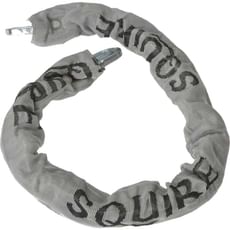
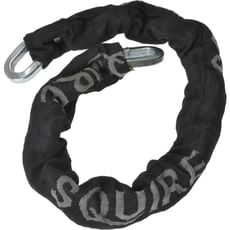
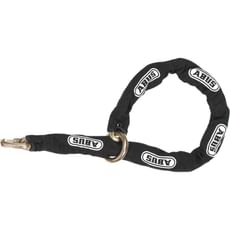
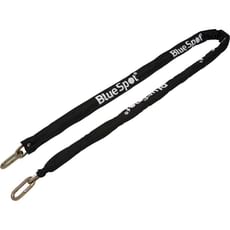
 Loading...
End of content
Error - No more pages to load
About Security Chains
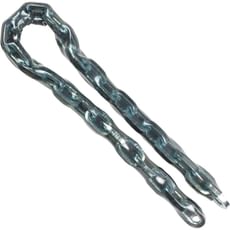
Security chains are heavy-duty physical deterrents designed to protect valuable equipment, machinery, and property from theft. Manufactured from hardened steel with thick link diameters, these chains resist cutting, sawing, and bolt cropping attempts, making them an essential security solution for construction sites, workshops, gardens, and public spaces. Whether securing expensive power tools overnight on a building site, protecting motorcycles and bicycles from opportunistic thieves, or safeguarding garden machinery and furniture, a quality security chain provides peace of mind and meets insurance requirements for high-value items.
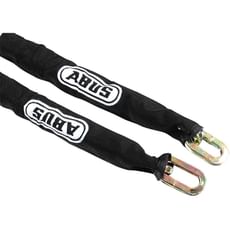
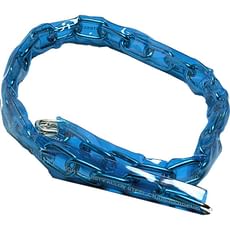
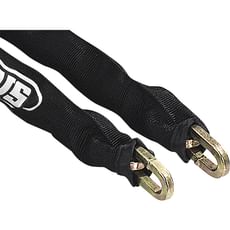
The security chains available from Tooled-Up.com feature various link diameters ranging from 6mm to 12mm, with thicker chains offering progressively higher levels of protection against determined attacks. Premium models incorporate through-hardened special chain steel that maintains strength throughout the entire link structure, rather than just surface hardening. Many chains include protective fabric sleeves that prevent damage to paintwork, chrome, and other finishes on the items being secured, whilst also reducing rattling noise. Square link designs typically offer superior resistance to twisting and leverage attacks compared to round links, whilst loop-end configurations provide convenient fixed anchor points without requiring separate connectors.
Tooled-Up stocks security chains from trusted manufacturers including Abus, Henry Squire, Masterlock, and Blue Spot, each offering different security ratings and specifications to match various risk levels and insurance requirements. These chains are typically used in conjunction with high-security padlocks rated to similar standards, creating a comprehensive security system that addresses multiple attack methods and provides certified protection for insurance purposes.
Jargon Buster
- Through-Hardened Steel: A manufacturing process where the entire chain link is hardened throughout its cross-section, not just the surface. This prevents criminals from cutting through to softer core material and provides superior resistance to all cutting attacks.
- Link Diameter: The thickness of the steel wire used to form each chain link, typically measured in millimetres (6mm, 8mm, 10mm, 12mm). Larger diameters offer greater resistance to bolt cutters and power tools but increase weight and reduce flexibility.
- Square Link Design: Chain links with a square or rectangular cross-section rather than round. This geometry resists twisting attacks and provides more material to cut through, offering enhanced security compared to round links of similar diameter.
- Fabric Sleeve: A protective textile covering that encases the chain to prevent scratching, marking, or damaging the items being secured, whilst also reducing noise from chain movement and protecting the chain from weather exposure.
- Security Rating: A classification system (often numerical or using Sold Secure ratings) that indicates the level of protection a chain offers based on standardised attack testing. Higher ratings are required by insurers for more valuable items.
- Loop End Configuration: A chain design where one or both ends are permanently formed into a loop, allowing the chain to be fed through itself to create a secure anchor point without requiring additional connectors.
Who Uses Security Chains?
- Construction Site Managers: Securing expensive plant machinery, generators, power tools, and equipment overnight or during unmanned periods
- Landscape Gardeners: Protecting ride-on mowers, strimmers, chainsaws, and trailer-mounted equipment at client properties and depot storage
- Motorbike and Bicycle Owners: Securing vehicles in public spaces, garages, and outdoor storage areas
- Facilities Managers: Protecting outdoor furniture, bins, signage, and equipment at commercial premises, schools, and public buildings
- Agricultural Workers: Securing tractors, quad bikes, trailers, and farm machinery in rural locations vulnerable to theft
- Electricians and Plumbers: Safeguarding tool bags, expensive test equipment, and van inventory on multi-day projects
- Property Maintenance Companies: Securing ladders, pressure washers, and equipment at various work locations
- Event Organisers: Protecting temporary structures, generators, lighting rigs, and staging equipment
- Homeowners: Securing garden furniture, barbecues, bicycles, and outdoor equipment
- Storage Facility Operators: Providing additional security for container units and stored goods
How to Choose the Right Security Chains
Assess the Security Risk: Consider the value of items being protected, location vulnerability (remote sites face higher risk), and your insurance requirements. High-value equipment in isolated locations demands thicker chains (10mm-12mm) with higher security ratings, whilst garden furniture in residential areas may require only moderate protection (6mm-8mm).
Select Appropriate Link Diameter: Chains with 6mm links suit light-duty applications and low-value items, 8mm provides good general-purpose security for most tools and bicycles, 10mm offers enhanced protection for motorcycles and expensive equipment, whilst 12mm chains deliver maximum security for high-value plant machinery and insurance-mandated applications. Remember that thicker chains become progressively heavier and less flexible.
Match Chain to Padlock Rating: A security chain is only as strong as its weakest component. Pair your chain with a padlock of equivalent or higher security rating from manufacturers like Abus, Squire, or Masterlock. Check that the padlock shackle diameter fits comfortably through the chain links—typically 12mm-16mm shackles work with most security chains.
Consider Link Shape: Square link chains provide superior resistance against twisting, leverage, and cutting attacks compared to round links, making them preferable for high-security applications. Round links offer slightly more flexibility for wrapping around irregular shapes but may be more vulnerable to certain attack methods.
Evaluate Length Requirements: Measure the circumference of objects being secured plus anchor points before purchasing. Chains typically range from 1 metre to 3 metres. Longer chains offer flexibility but add weight and can provide more leverage for attacks. Purchase only the length genuinely needed for your application.
Check for Protective Features: Fabric sleeves prevent damage to paintwork, chrome, and powder-coated surfaces whilst reducing noise. This proves particularly important when securing vehicles, furniture, or equipment with visible finishes where scratching would reduce value.
Verify Insurance Compliance: Many insurance policies specify minimum security standards for covered items. Check your policy requirements regarding chain thickness, security ratings (such as Sold Secure Bronze, Silver, or Gold), and approved manufacturers before purchasing to ensure claims remain valid.
Popular Accessories
- High-Security Padlocks: Close-shackle and shrouded designs from Abus, Henry Squire, and Masterlock with matching security ratings
- Ground Anchors: Concrete-mounted or wall-fixed anchor points providing immovable securing locations
- Chain Extension Links: Connecting components to join multiple chains for extended reach
- Weatherproof Padlock Covers: Protective shrouds preventing water ingress and freezing in outdoor applications
- Security Cable Locks: Flexible steel cables for lighter-duty applications or supplementary security
- Locking Tool Boxes: Secure storage solutions from Stanley, DeWalt, and Milwaukee for additional protection layers
- Security Marking Kits: UV pens and forensic marking systems for asset identification and theft recovery
- Alarm Padlocks: Audio deterrent locks that sound when tampered with
- Chain Storage Bags: Protective carriers preventing corrosion and making transportation easier
Safety Information
Installation and Anchoring: Always secure chains to fixed, immovable anchor points rather than temporary fixtures that could be removed or broken. Test ground anchors are properly installed according to manufacturer specifications before relying on them for security. Avoid securing chains to railings, posts, or structures that could be cut, unbolted, or lifted.
Manual Handling: Heavy-duty security chains, particularly 10mm and 12mm diameter models, can weigh several kilograms per metre. Use proper lifting techniques when handling longer chains to prevent back strain. Store chains coiled neatly to prevent tripping hazards on construction sites and work areas.
Preventing Accidents: Ensure chains securing machinery or equipment cannot become tangled in moving parts or create trip hazards for workers and the public. Position chains away from walkways where possible, and use high-visibility fabric sleeves in areas with pedestrian traffic.
Regular Inspection: Periodically examine chains for signs of cutting attempts, wear, corrosion, or damaged links that could compromise security. Replace chains showing significant wear or damage, as compromised links may fail when needed most. Lubricate links occasionally with penetrating oil to prevent seizing and corrosion, particularly in coastal or chemical environments.
Frequently Asked Questions
What chain thickness do I need for a motorcycle?
For motorcycle security, insurers typically require minimum 10mm diameter chains, with 12mm recommended for high-value bikes or high-risk locations. The chain should be paired with a Sold Secure Gold-rated padlock for comprehensive insurance compliance. Always verify your specific policy requirements, as these vary between insurers and bike values.
Can bolt cutters cut through hardened security chains?
Standard bolt cutters struggle with through-hardened security chains above 8mm diameter due to the hardness of the steel and the force required. Chains from 10mm upwards are designed to resist even professional-grade bolt cutters. However, no chain is completely impenetrable—quality security chains significantly increase the time and effort required for theft, making criminals more likely to abandon attempts and move to easier targets.
Should I choose a square link or round link chain?
Square link chains generally offer superior security as they resist twisting attacks and provide more material to cut through. The flat surfaces also make it harder to grip with cutting tools. Round link chains provide slightly more flexibility when wrapping around irregular shapes but may be marginally easier to attack. For maximum security applications, square links are preferable.
How long should my security chain be?
Measure the circumference of the object being secured plus the distance to your anchor point, then add approximately 300mm for joining and padlock attachment. Avoid chains that are excessively long, as surplus length provides leverage for attacks and makes the system less secure. Common lengths range from 1 metre for bicycles to 3 metres for larger equipment and vehicles.
Do security chains work with any padlock?
Whilst most padlocks physically fit through chain links, security effectiveness requires matching ratings. Pairing a high-security chain with a cheap padlock creates a vulnerability that criminals will exploit. Always use padlocks with security ratings equal to or exceeding your chain rating, and ensure the shackle diameter fits through the chain links—typically 12mm-16mm shackles suit most security chains available at Tooled-Up.com.