
Security

Pay in 3 interest-free payments on purchases from £20-£3000 with  . Learn more.

Loading...
End of content
Error - No more pages to load
About Security
Protecting property, tools, vehicles, and valuables remains a critical priority for tradespeople, business owners, and homeowners throughout the UK. The security category at Tooled-Up.com encompasses a comprehensive range of physical and electronic protection solutions designed to deter theft, prevent unauthorised access, and safeguard valuable assets. From robust padlocks and hardened steel chains to sophisticated alarm systems and surveillance cameras, this category provides professional-grade security products suited to diverse applications including construction sites, commercial premises, residential properties, and vehicle protection.
Security requirements vary significantly depending on what needs protecting and the associated risk level. Construction professionals require heavy-duty site security to protect expensive power tools and equipment from theft, whilst facility managers need access control systems, key management solutions, and perimeter security for buildings under their care. The range available from Tooled-Up includes physical barriers such as high-security locks, hasps, chains, and door furniture that provide the first line of defence, alongside electronic deterrents including motion-activated alarms, CCTV cameras, and monitoring systems that detect and alert users to potential intrusions.
Quality security products represent a sound investment that can prevent significant financial losses from theft and often reduce insurance premiums. UK crime statistics consistently demonstrate that visible security measures substantially decrease the likelihood of attempted break-ins, making properly secured premises far less attractive to opportunistic criminals. Whether selecting basic window locks to meet insurance requirements, securing a van full of tools overnight, or implementing comprehensive commercial security systems, choosing products with recognised certifications such as Sold Secure ratings, BS 3621 approval, or appropriate CEN classifications ensures reliable protection backed by independent testing.
Jargon Buster
- CEN Rating: European standardised classification system for padlock security, ranging from CEN 1 (basic security) to CEN 6 (maximum security). Higher ratings indicate substantially greater resistance to physical attack methods including cutting, drilling, picking, and impact.
- Sold Secure: Independent UK testing and certification scheme that evaluates security products and grades them as Bronze, Silver, Gold, or Diamond based on their resistance to various attack techniques. Gold and Diamond ratings typically satisfy insurance requirements for high-value items and commercial premises.
- BS 3621: British Standard specification for thief-resistant locks, commonly required by insurance companies for home insurance policies to remain valid. Locks meeting this standard provide proven protection against lock picking, drilling, and forced entry techniques.
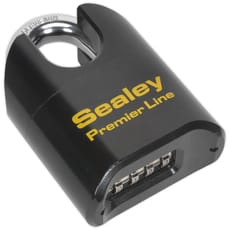
- Closed Shackle: Padlock design where the shackle remains largely protected within the lock body when secured, minimising exposed metal vulnerable to bolt croppers or hacksaw attacks. Provides superior security compared to standard open shackle designs.
- PIR (Passive Infrared): Motion detection technology used in alarm sensors that identifies body heat from intruders moving through monitored areas. PIR sensors are standard in quality burglar alarms and significantly reduce false alarms compared to basic movement detectors.
- IP Rating (Ingress Protection): International standard indicating how well electronic security equipment is protected against dust and water ingress. IP65 or higher ratings are essential for outdoor cameras, alarms, and sensors exposed to UK weather conditions.
Who Uses Security?
Security products serve a diverse range of users including:
- Construction Workers & Site Managers: Protecting expensive power tools, equipment, plant machinery, and building materials from theft on active building sites and in storage containers
- Tradespeople & Mobile Workers: Securing vans, vehicles, and mobile workshops containing valuable tools, stock, and specialised equipment
- Property Managers & Landlords: Installing and maintaining security systems, meeting insurance requirements, and fulfilling duty of care obligations for residential and commercial buildings
- Facilities & Maintenance Teams: Managing key control systems, securing plant rooms, controlling access to restricted areas, and maintaining perimeter security
- Locksmiths: Professional installation of locks, safes, access control systems, and comprehensive security solutions for clients
- Shop & Business Owners: Protecting premises, stock, cash, and business assets with alarms, CCTV systems, safes, and physical security measures
- Warehouse & Logistics Operators: Securing goods in storage, managing access control, and protecting valuable inventory
- Homeowners & DIY Enthusiasts: Securing homes, garages, sheds, and outbuildings against burglary whilst meeting insurance policy requirements
- Cyclists & Motorcyclists: Protecting vehicles from theft using specialised locks, chains, ground anchors, and tracking systems
- Storage Facility Operators: Providing secure locker systems, access control, and individual unit security for self-storage and changing facilities
How to Choose the Right Security
Assess Your Risk Level: Evaluate what requires protection and its replacement value. High-value tools, vehicles, or commercial stock demand higher-rated security products such as Sold Secure Gold or Diamond certified items, or CEN 5-6 rated padlocks. Insurance policies frequently specify minimum security standards—verify requirements before purchasing to ensure coverage remains valid. Urban locations and isolated construction sites typically need substantially stronger security than low-risk residential areas.
Physical vs Electronic Security: Physical barriers including padlocks, chains, door locks, and window security provide the first defensive layer and function without electricity or batteries. Electronic systems such as alarms, CCTV cameras, and access control offer detection, recording, and deterrence but require installation, maintenance, and power supplies. The most effective security strategy combines both approaches—physical security slows potential intruders whilst alarms and cameras alert users to attempted breaches and provide evidence.
Certification & Standards: Purchase products meeting recognised UK and European standards. Sold Secure certification, BS 3621 approval for locks, and EN standards for safes confirm products have undergone independent testing against realistic attack methods. These certifications frequently determine whether insurance claims are honoured following theft, making them essential for high-value assets.
Indoor vs Outdoor Application: Outdoor security products must withstand challenging UK weather conditions including rain, frost, coastal salt spray, and temperature extremes. Specify weatherproof or marine-grade locks with protective covers, stainless steel components, and sealed mechanisms that resist freezing and corrosion. Outdoor electronic equipment including alarms and cameras require appropriate IP ratings—typically IP65 or higher for complete weather resistance.
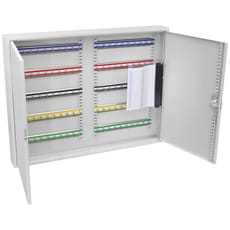
Key Management Considerations: Keyed-alike systems allow one key to operate multiple padlocks, providing convenience when securing various areas or containers. For shared access situations, combination locks eliminate key distribution challenges but require regular code changes to maintain security. Key cabinets and safes should exceed the security rating of what they protect.
Installation Requirements: Certain security products demand professional installation—particularly monitored alarm systems, networked CCTV installations, and high-security locks requiring BS 3621 certification for insurance compliance. Ground anchors and wall-mounted security need suitable fixing points in concrete or solid masonry. Battery-powered or wireless systems offer simpler DIY installation where professional installation isn't mandated.
Popular Accessories
- Security Fixings: Coach bolts, one-way screws, and anti-tamper fixings prevent removal of hasps, hinges, mounting plates, and security hardware. Essential for outdoor installations where standard fixings could be easily loosened.
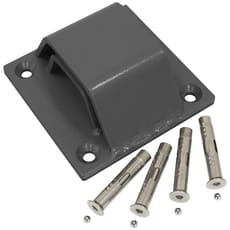
- Ground Anchors: Concrete-mounted anchor points for securing chains, motorcycles, bicycles, and portable equipment. Available as surface-mounted or in-ground designs rated for specific chain weights and attack resistance levels.
- Hasps & Staples: Mounting hardware allowing padlocks to secure doors, gates, shutters, and containers. Choose hardened steel versions with concealed fixings and rotating staples for maximum security.
- Alarm Signage & Warning Stickers: Visible deterrents indicating protected premises. Research demonstrates that clearly displayed security signage reduces attempted break-ins even before physical barriers are encountered.
- Lock Lubricants: Specialist PTFE or graphite-based lubricants maintain smooth lock operation and prevent freezing during winter months. Avoid general-purpose oils which attract dirt and can congeal inside precision lock mechanisms.
- Security Lighting: Motion-activated LED floodlights illuminate potential entry points, deter intruders, and assist CCTV recording. Solar-powered options suit locations without 240v mains electricity supply.
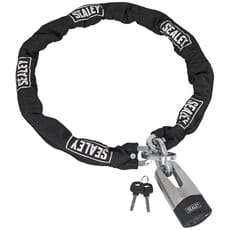
- Cable Locks: Flexible steel cables secure awkwardly shaped items or multiple objects together. Frequently used alongside padlocks for ladders, power tools, plant equipment, and toolboxes.
- Security Marking Kits: UV pens, engraving tools, and permanent marking systems for identifying tools and equipment, improving police recovery rates and deterring theft.
Safety Information
Installation Safety: When drilling into walls or floors for security fixings, ground anchors, or alarm cabling, always use a cable and pipe detector to check for hidden services. Striking buried electrical cables can cause fatal electric shock. If installing burglar alarms, CCTV systems, or powered security equipment, ensure electrical work complies with BS 7671 wiring regulations. Complex installations involving 240v mains power may require Part P certification by a qualified electrician.
Fire Safety Considerations: Whilst security is essential, ensure emergency exits remain accessible from inside without keys during occupied hours. This is particularly critical for commercial premises, HMOs, and buildings with multiple occupants where fire regulations apply. Thumb-turn locks and panic hardware allow rapid escape whilst maintaining external security. Never padlock fire exits that may be required for emergency evacuation.
Key Security: Store spare keys securely away from the locks they operate—never hide keys outside where intruders might discover them. Key safes should be positioned discreetly and feature high-security ratings appropriate for the access they control. Regularly audit who holds keys to commercial premises and consider changing locks when keys are lost, stolen, or when staff with key access leave employment.
CCTV & Privacy: When installing surveillance cameras, comply with UK GDPR regulations and ICO guidance regarding monitoring, recording, and storing footage. Display appropriate signage informing people they are being recorded, and ensure cameras don't intrude on neighbouring properties or public areas unnecessarily.
Frequently Asked Questions
What security rating do I need to meet my home insurance requirements?
Most UK home insurance policies require locks meeting BS 3621 standard on all final exit doors, typically front and back doors. For high-value contents exceeding certain thresholds (often £50,000-£75,000), insurers may specify Sold Secure rated window locks and potentially a monitored alarm system. Always check your specific policy wording and schedule of requirements. Inform your insurer when upgrading security, as this may reduce premiums and ensure compliance.
How do I protect my tools from theft on building sites?
Implement multiple security layers for comprehensive protection: store tools in robust steel containers or secure vans fitted with high-quality padlocks rated minimum Sold Secure Gold or CEN 5. Anchor containers to ground anchors using hardened steel chains rated 12mm diameter or thicker. Mark all tools with UV pens, photograph serial numbers, and maintain an inventory for police recovery. Consider site security alarms with mobile phone alerts for unattended locations overnight and weekends, and always remove particularly valuable items from site when possible.
What's the difference between a cash box and a safe?
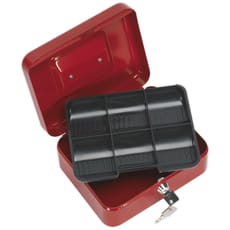
Cash boxes are portable, lightweight containers with basic key or combination locks suitable for temporary cash security, petty cash, or transporting small valuables. They offer minimal security against determined attack. Safes are heavy, permanently installed units offering serious theft protection and often fire resistance. Safes carry certification ratings (EN standards) indicating precisely how long they resist specific attack methods including drilling, cutting, and thermal attacks. For business cash, valuable documents, or significant assets, always choose a properly certified safe rather than a cash box.
Can I install security products myself or do I need a professional?
Many security products suit competent DIY installation including standard padlocks, door chains, window locks, basic hasps, and battery-powered standalone alarms. However, professionally monitored alarm systems, networked CCTV installations, complex access control systems, and locks requiring BS 3621 certification typically need qualified installation to maintain warranties, insurance compliance, and proper function. If installation involves 240v mains electricity, structural modifications to load-bearing walls, or drilling into uncertain surfaces, professional installation ensures safety and reliable performance.
How weather-resistant are outdoor security products?
Specify products explicitly rated for outdoor use with appropriate IP ratings—IP65 or higher means dust-tight and protected against water jets from any direction. Marine-grade padlocks featuring stainless steel shackles and bodies with protective covers perform best in harsh UK coastal conditions or industrial environments. Lubricate outdoor locks regularly using weatherproof PTFE or graphite lubricant, and consider protective padlock covers in exposed locations where accelerated corrosion occurs. Electronic equipment should be IP65 rated minimum, with IP66 or IP67 preferred for fully exposed locations.