

Seeders
Pay in 3 interest-free payments on purchases from £30-2000 with  . Learn more.
 Loading...
End of content
Error - No more pages to load
About Seeders
Manual seeders are indispensable gardening tools designed to simplify and improve the accuracy of seed sowing in vegetable gardens, allotments, and flower beds. These precision instruments eliminate the guesswork from planting by dispensing seeds at consistent intervals and depths, ensuring optimal germination rates and reducing seed waste. Unlike hand-broadcasting methods that can result in uneven distribution and overcrowding, seeders create uniform rows with properly spaced plants, making subsequent tasks like thinning, weeding, and harvesting considerably easier.
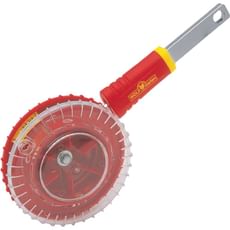
The seeders available from Tooled-Up.com feature adjustable mechanisms that accommodate different seed sizes, from tiny lettuce and carrot seeds through to larger varieties like peas and beans. Most models incorporate calibrated settings that allow gardeners to control both seed spacing and sowing depth, whilst the ergonomic designs enable users to work in an upright position, significantly reducing back strain during lengthy planting sessions. Many contemporary seeders utilise modular handle systems, allowing the sowing head to be paired with handles of various lengths to suit different users and applications.
Professional market gardeners and amateur enthusiasts alike appreciate how these tools transform seed sowing from a painstaking, time-consuming chore into an efficient, productive task. By creating straight, evenly-spaced rows, seeders not only improve crop yields but also give vegetable patches and borders a neat, organised appearance that makes ongoing maintenance far more manageable throughout the growing season.
Jargon Buster
- Seed Sower Head: The dispensing mechanism that holds and releases seeds at controlled intervals, typically featuring adjustable settings for different seed sizes and spacing requirements.
- Multi-Change System: A modular tool design where a single handle can be attached to various interchangeable heads, reducing storage space and overall tool investment whilst maintaining versatility.
- Seed Spacing: The distance between individual seeds as they're planted in a row, which varies according to plant variety and determines how much growing room each seedling will have.
- Sowing Depth: The distance below soil surface at which seeds are placed, critical for successful germination as different species require specific planting depths.
- Calibration Settings: Adjustable mechanisms on seeders that control seed size accommodation, typically numbered from small (fine seeds) to large (pea-sized seeds).
- Hopper: The container or chamber within the seeder that holds the bulk supply of seeds before they're dispensed through the mechanism.
Who Uses Seeders?
- Market Gardeners and Commercial Growers: Professional vegetable producers who need efficient, accurate sowing for large-scale cultivation
- Allotment Holders: Enthusiastic gardeners managing medium to large plots who value precision and efficiency in seed sowing
- Landscape Gardeners: Professionals creating vegetable gardens, raised beds, and ornamental plantings for clients
- Groundskeepers and Estate Managers: Those responsible for maintaining kitchen gardens, cutting gardens, and decorative borders
- Horticultural Students and Trainees: Individuals learning proper seed sowing techniques and best practices
- Serious Home Gardeners: DIY enthusiasts with established vegetable plots who want to improve yields and reduce seed waste
- Community Garden Coordinators: Volunteers and organisers managing shared growing spaces
- Organic Growers: Gardeners focusing on sustainable practices who appreciate reduced seed wastage and improved resource efficiency
How to Choose the Right Seeders
Selecting the appropriate seeder depends on several practical considerations. First, assess the seed size range you typically work with - ensure the seeder offers sufficient calibration settings to accommodate everything from fine brassica seeds through to larger peas and beans. Models with six or more adjustable settings provide greatest versatility for mixed vegetable gardens.
Consider the handle system compatibility if you already own modular garden tools. Multi-change systems from established brands allow you to use existing handles, making this an economical choice. Alternatively, if purchasing a complete unit, evaluate handle length and ergonomics to ensure comfortable operation without excessive bending.
Row length requirements influence your choice significantly. Small urban gardens and raised beds may require only basic seeders, whilst allotments and larger plots benefit from models with larger hoppers that require less frequent refilling during extended sowing sessions.
The build quality and materials matter considerably for longevity. Browse the selection at Tooled-Up.com for seeders constructed from durable materials with corrosion-resistant components, as these tools frequently come into contact with damp soil and moisture. Stainless steel and high-quality plastics typically outlast budget alternatives.
Finally, consider maintenance and cleaning requirements. Seeders with easily disassembled mechanisms facilitate thorough cleaning between different seed varieties, preventing cross-contamination and ensuring smooth operation season after season.
Popular Accessories
- Multi-Change Handles: Interchangeable handles in various lengths (typically ranging from compact 900mm versions to extended 1.7m models) for ergonomic adaptation to different tasks and user heights
- Garden Line and Reel Sets: Essential for marking straight rows before sowing, ensuring professional-looking, evenly-spaced plantings
- Seed Storage Containers: Airtight tins and boxes for maintaining seed viability between sowing seasons
- Soil Testing Kits: pH and nutrient testing equipment to optimise growing conditions before planting
- Garden Markers and Labels: For identifying different varieties and sowing dates in vegetable beds
- Rake Heads: Compatible multi-change rake attachments for soil preparation before sowing
- Hand Trowels and Dibbers: Complementary hand tools for transplanting seedlings and creating individual planting holes
- Watering Equipment: Rose-headed watering cans and hoses with fine spray settings for gentle irrigation of newly-sown seeds
Frequently Asked Questions
Can seeders handle all types of seeds?
Most quality seeders accommodate a wide range of seed sizes through adjustable settings, typically handling everything from fine carrot and lettuce seeds up to pea-sized beans. However, very large seeds like broad beans or unusually shaped seeds may require alternative planting methods. Always check the manufacturer's specifications for the maximum seed size accommodation, usually indicated by calibration settings numbered from 1 (finest) to 6 or higher (largest).
Do I need different seeders for flowers and vegetables?
No, a single versatile seeder with multiple calibration settings works effectively for both flower and vegetable seeds. The key factor is seed size rather than plant type. The Tooled-Up range includes adjustable models that handle diverse seed dimensions, making them suitable for mixed gardens containing both ornamental and edible plantings.
How do seeders improve germination rates compared to hand sowing?
Seeders enhance germination by ensuring consistent planting depth and spacing. Seeds planted at uniform depths receive even moisture and temperature conditions, promoting simultaneous germination. Proper spacing prevents overcrowding, reducing competition for nutrients, water, and light during critical early growth stages. This consistency typically results in stronger, healthier seedlings and reduces the need for thinning.
Are multi-change seeders as durable as dedicated complete tools?
Quality multi-change systems from established manufacturers like Wolf Garten offer excellent durability comparable to dedicated tools. The modular design uses robust connection mechanisms engineered for repeated attachment and detachment. The advantage lies in reduced storage requirements and overall economy, as one handle serves multiple tool heads. Ensure connections are properly secured before use and maintain fittings according to manufacturer guidelines.
How should I clean and maintain my seeder between uses?
After each use, empty any remaining seeds from the hopper and brush away soil and debris. Periodically disassemble the dispensing mechanism to remove accumulated dust and seed fragments that might affect smooth operation. Wipe metal components with an oily cloth to prevent corrosion, and store in a dry location. At season's end, perform thorough cleaning and lubricate moving parts with light oil before winter storage to ensure reliable performance the following spring.