

Self Tapping Screws
Pay in 3 interest-free payments on purchases from £30-2000 with  . Learn more.
 Loading...
End of content
Error - No more pages to load
About Self Tapping Screws
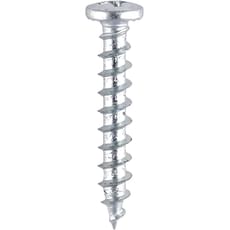
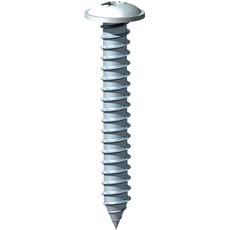
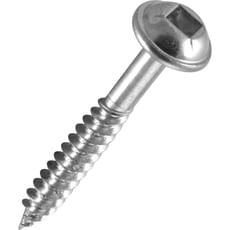
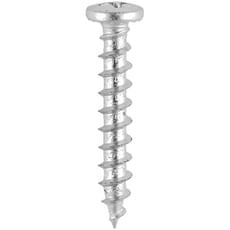
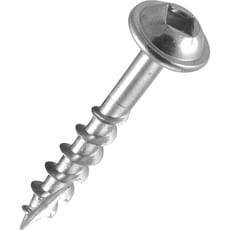
Self tapping screws are essential fasteners designed to cut their own thread as they're driven into materials, eliminating the need for pre-drilling or tapping holes. These versatile fixings are engineered with sharp cutting edges that create a precise thread in materials including sheet metal, plastic, wood, and thin gauge steel. Available in various head styles including pan head, countersunk, and flange head configurations, self tapping screws provide quick, reliable fixings for both professional tradespeople and DIY enthusiasts.
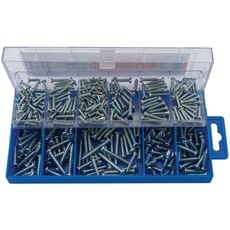
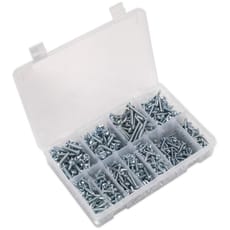
The range at Tooled-Up.com includes comprehensive assortments from trusted brands such as Timco, Sealey, Draper, and Trend, offering everything from individual screws to multi-piece sets containing hundreds of popular sizes. These screws feature different drive types, with Pozidriv being particularly common due to its superior torque transfer and reduced cam-out compared to traditional Phillips drives. Finish options include bright zinc plated (BZP) for general corrosion protection, stainless steel for enhanced durability in exposed environments, and black finishes for aesthetic applications.
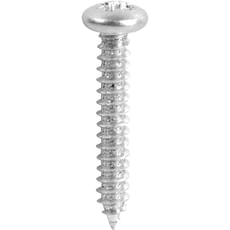
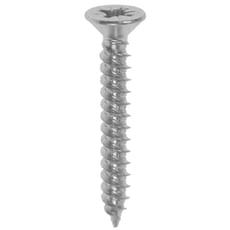
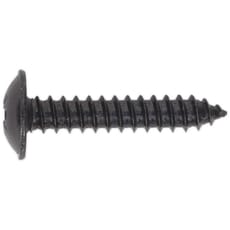
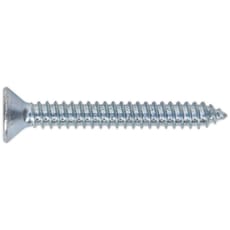
Self tapping screws are categorised by their specific applications and design features. Pan head self tapping screws offer a low-profile finish with a wide bearing surface, ideal for metal fabrication and electrical enclosures. Countersunk varieties sit flush with the material surface, perfect for hinges and decorative applications. Flange head designs incorporate an integrated washer for increased bearing area without requiring separate washers. Specialist variants include PVC window screws with shallow pan heads, specifically designed for double glazing installation, and drill point screws that combine drilling and tapping in a single operation for thicker materials.
Jargon Buster
- Thread Forming vs Thread Cutting: Thread forming screws displace material to create threads (ideal for softer materials), whilst thread cutting screws remove material with cutting edges (better for harder substrates and thicker gauges).
- Pozidriv (Pozi): A screw drive system with four additional contact points compared to Phillips, providing better torque transfer and significantly reduced risk of cam-out or driver slippage during installation.
- BZP (Bright Zinc Plated): A protective electroplated coating that provides corrosion resistance for indoor applications and light-duty outdoor use, giving screws their characteristic silvery finish.
- DIN 7982: A European standard specification for self tapping screws with cross recesses and countersunk heads, ensuring consistent dimensions and performance characteristics across manufacturers.
- Flange Head: A screw head design incorporating an integrated washer-like flange that distributes clamping force over a wider area, eliminating the need for separate washers in many applications.
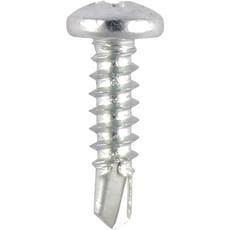
- Drill Point: A specially designed screw tip that combines drilling and thread-cutting capabilities, allowing penetration of thicker materials without pre-drilling.
Who Uses Self Tapping Screws?
- HVAC Engineers: Installing ductwork, air conditioning units, and ventilation systems using sheet metal connections
- Electricians: Securing electrical enclosures, consumer units, trunking, and mounting equipment to metal back boxes
- Window Fitters: Installing PVC and aluminium window frames, hinges, and glazing hardware
- Automotive Technicians: Repairing body panels, securing interior trim, and fixing automotive components
- Roofers: Fixing flashings, guttering brackets, and roof trim components
- Shopfitters: Installing display units, signage, and retail fixtures to metal frameworks
- Metal Fabricators: Assembling enclosures, cabinets, and structural metalwork
- Maintenance Engineers: General repairs across facilities involving metal-to-metal or metal-to-plastic fixings
- DIY Enthusiasts: Home improvement projects requiring secure fixings into various materials
How to Choose the Right Self Tapping Screws
Material and Finish: Consider the environment where screws will be installed. BZP finishes suit dry indoor applications, whilst stainless steel screws are essential for outdoor use, coastal environments, or areas exposed to moisture. Black finishes provide aesthetic benefits for visible fixings on dark materials.
Head Style Selection: Pan heads offer strength and a low profile for metal fabrication work. Countersunk heads provide flush finishes essential for hinges and applications where protruding heads would cause problems. Flange heads eliminate the need for separate washers and distribute loads effectively across thinner materials.
Size and Length: Screw length should penetrate at least three-quarters of the material thickness, with diameter chosen based on the gauge of material being fixed. Tooled-Up stocks comprehensive assortment sets containing popular sizes ranging from small electronics fixings to substantial structural fasteners.
Thread Type: Thread forming screws work best in softer materials like aluminium and plastic, creating strong joints without swarf. Thread cutting designs suit harder materials and thicker steel, with drill point variants handling gauges up to 12mm without pre-drilling.
Drive Type: Pozidriv drives offer superior torque transfer and reduced wear compared to Phillips, particularly important for repetitive installation work. Ensure compatible driver bits are available for your power tools or screwdrivers.
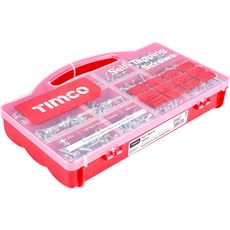
Quantity Requirements: Individual screws suit specific repairs, whilst multi-piece assortments from brands like Sealey and Draper provide cost-effective solutions for tradespeople requiring various sizes on site. Storage cases included with many sets offer organised transportation and quick size identification.
Popular Accessories
- Pozidriv Driver Bits: Impact-rated PZ1, PZ2, and PZ3 bits from Wera, Makita, or DeWalt for power tool use
- Magnetic Bit Holders: Quick-release holders for efficient screw placement and driving
- Cordless Screwdrivers/Drills: Compact drivers from Milwaukee, Bosch, or Makita ideal for repetitive fastening work
- Storage Organisers: Multi-compartment cases and Tanos Systainers for organising fastener collections
- Centre Punches: For marking pilot hole locations in thicker materials
- Stepped Drill Bits: For enlarging existing holes or creating precise pilot holes in sheet metal
- Screw Extractors: Essential tools for removing damaged or stripped self tapping screws
- Metal Cutting Tools: Aviation snips and nibblers for preparing sheet metal before fastening
Frequently Asked Questions
Do I need to drill pilot holes for self tapping screws?
For thin materials (under 2mm), self tapping screws typically don't require pilot holes. For thicker materials, drilling a pilot hole slightly smaller than the screw's core diameter prevents material splitting and reduces driving torque. Drill point self tapping screws can penetrate thicker gauges without pre-drilling.
What's the difference between self tapping and self drilling screws?
Self tapping screws cut threads as they're driven but may require pilot holes in harder or thicker materials. Self drilling (or drill point) screws feature a drill bit-style point that both drills and taps in one operation, eliminating pre-drilling even in substantial gauge steel.
Can self tapping screws be removed and reused?
Whilst self tapping screws can be removed, reusing them in the same hole isn't recommended as the threads have already been formed. Driving the same screw into the formed thread won't provide adequate purchase. Use a larger screw or relocate the fixing point for secure results.
Why do my screws keep stripping or cam-out during installation?
Cam-out typically results from incorrect drive type, worn bits, or insufficient pressure during driving. Ensure you're using Pozidriv bits (not Phillips) for Pozi screws, apply firm downward pressure, and replace worn driver bits. Excessive drill speed can also cause problems—use lower speeds with higher torque settings.
What size self tapping screws do I need for 1mm sheet steel?
For 1mm steel, #8 (4mm diameter) screws between 13-19mm length work well for most applications. The screw should penetrate at least 10mm beyond the material being fixed. Choose thread forming types for aluminium or softer steel, and thread cutting designs for harder materials.