

Separators
Pay in 3 interest-free payments on purchases from £30-2000 with  . Learn more.
 Loading...
End of content
Error - No more pages to load
About Separators
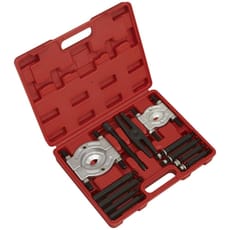
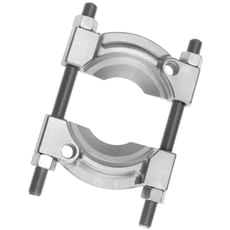
Separators, also known as bearing separators or pullers, are essential workshop tools designed to safely and efficiently remove bearings, gears, pulleys, and other press-fitted components from shafts and housings. These precision engineering tools work by gripping the component you need to remove and applying controlled force to extract it without causing damage to the shaft, bearing race, or surrounding parts. Whether you're working on automotive repairs, industrial machinery maintenance, or general engineering tasks, a quality separator is indispensable for jobs that would otherwise require destructive removal methods or risk damaging expensive components.
The selection available from Tooled-Up.com includes both mechanical and hydraulic options from trusted manufacturers including Sealey and Facom. Mechanical separators use threaded forcing screws to generate extraction force, making them ideal for lighter duties and situations where portability is key. Hydraulic bearing separators offer significantly greater pulling force—often up to 10 tonnes or more—making them the preferred choice for stubborn, seized, or heavily corroded components. Many professional separators come in comprehensive sets with interchangeable jaws and spacers to accommodate different bearing sizes and applications, providing excellent versatility across a wide range of engineering tasks.
The quality of your separator directly impacts both the efficiency of your work and the condition of expensive components. A poorly designed tool can slip, damaging bearing races or scratching precision-machined shafts, whilst a professional-grade separator ensures clean, controlled removal that preserves component integrity. This is particularly important when removing bearings that will be reused or when working on high-value machinery where shaft damage could result in costly replacements and extended downtime.
Jargon Buster
- Bearing Separator: A tool specifically designed to grip behind the inner race of a bearing, allowing it to be pulled from a shaft without damaging the component. Features adjustable jaws that expand to fit different bearing sizes.
- Hydraulic Puller: A separator that uses hydraulic pressure to generate extraction force, typically offering pulling capacities from 5 to 30 tonnes. Requires a hydraulic pump (manual or powered) to operate and provides smooth, controlled force application.
- Mechanical Puller: A separator that uses a threaded forcing screw turned manually to create extraction force. More portable than hydraulic options but limited to lower force applications, typically suitable for bearings up to medium sizes.
- Jaw Spread: The maximum and minimum distances the separator's jaws can extend, determining which bearing or component sizes the tool can accommodate. Critical specification when selecting a separator for specific applications.
- Forcing Screw: The central threaded rod in a mechanical separator that bears against the shaft end whilst the jaws pull on the component, creating the extraction force when tightened.
- Press Fit: A tight interference fit between components, such as a bearing on a shaft, requiring significant force to assemble or disassemble. Separators are essential for removing press-fitted parts without damage.
Who Uses Separators?
Separators are essential tools for a wide range of professionals and skilled enthusiasts:
- Vehicle Mechanics and Technicians: Removing wheel bearings, transmission components, pulleys, and gears during automotive repair and maintenance
- Plant and Machinery Engineers: Extracting bearings from industrial equipment, conveyors, pumps, and heavy machinery during scheduled maintenance or breakdown repairs
- Agricultural Engineers: Servicing farm machinery, tractors, and harvesting equipment where bearing replacement is a regular maintenance requirement
- Marine Engineers: Maintaining boat engines, winches, and propulsion systems where bearing failure in harsh environments is common
- Manufacturing and Maintenance Fitters: Conducting preventative maintenance and repairs on production line equipment, motors, and gearboxes
- Bicycle Mechanics: Removing bottom bracket bearings, wheel hub bearings, and headset components
- Engineering Workshops: General machining and fabrication businesses requiring versatile bearing removal capabilities
- DIY Enthusiasts: Home mechanics and hobbyists tackling vehicle repairs, garden machinery maintenance, or restoration projects
How to Choose the Right Separators
Mechanical vs Hydraulic: Consider the typical size and condition of components you'll be removing. Mechanical separators are excellent for general workshop use, smaller bearings, and situations where components aren't heavily corroded. Hydraulic separators are essential for larger bearings, seized components, or high-volume professional use where time efficiency matters.
Pulling Capacity: Match the tool's rated capacity to your applications. An 8-tonne hydraulic separator suits most automotive work, whilst 10-tonne or higher capacity is advisable for industrial machinery and plant maintenance. Always ensure your separator has capacity well above the expected requirement for safety.
Jaw Spread Range: Measure the typical bearing sizes in your work. Separator sets with multiple interchangeable jaws offer greatest versatility, accommodating everything from small electric motor bearings to large gearbox components. Check both minimum and maximum jaw spread specifications.
Build Quality and Materials: Professional-grade separators from brands like Sealey and Facom feature hardened steel construction that withstands repeated high-force applications. Drop-forged jaws resist spreading under load, whilst precision threads ensure smooth operation. Budget alternatives may seem attractive but can deform or fail when tackling stubborn components.
Set Configuration: Complete sets with multiple jaw sizes, spacers, and adaptors provide better value and versatility than individual tools. Consider whether you need a comprehensive solution or a specific tool for dedicated applications. Many professional sets stocked by Tooled-Up include storage cases for organisation and protection.
Reach and Clearance: Some applications require extended reach to access bearings in recessed housings or behind obstacles. Check the throat depth and overall geometry of the separator against your typical workspace constraints.
Popular Accessories
- Hydraulic Pump Units: Manual or powered hydraulic pumps required to operate hydraulic separators, available in various pressure ratings
- Additional Jaw Sets: Extend the size range of your existing separator with supplementary jaw assemblies for specialist applications
- Bearing Fitting Tools: Complementary installation tools and drift sets for properly seating new bearings after removal
- Gear and Pulley Pullers: Dedicated pullers for components where separators cannot gain purchase behind the item
- Penetrating Lubricants: Quality releasing fluids to help free seized bearings before attempting extraction, reducing force requirements
- Bearing Heaters and Induction Tools: Expand bearing outer races for easier installation, reducing assembly forces
- Workshop Presses: Hydraulic bench presses for pressing bearings onto shafts and complementing extraction equipment
- Dial Indicators and Measuring Tools: Precision measurement equipment for assessing shaft and housing condition before fitting replacement bearings
Safety Information
Bearing and component removal can be hazardous if not conducted properly. Always wear appropriate PPE including safety glasses or face shields, as stored energy in seized components can cause sudden violent release. Flying metal fragments pose serious eye injury risks, whilst trapped fingers between jaws or forcing screws can result in crush injuries.
Ensure the separator is correctly positioned with jaws fully engaged behind the bearing or component before applying force. Partial engagement can cause the tool to slip under load, potentially causing injury or component damage. Always apply force gradually and steadily—never impact or shock-load a separator as this can cause tool failure or unpredictable component behaviour.
When using hydraulic separators, never exceed the rated capacity and regularly inspect hydraulic hoses and connections for wear or damage. Leaking hydraulic fluid under pressure can cause injection injuries. Ensure the workpiece is securely supported and cannot move or rotate during extraction. The HSE recommends using appropriate work-holding equipment and never relying solely on hand support.
Check the condition of forcing screws and threads regularly. Damaged or worn threads can fail under load with potentially dangerous consequences. Replace worn components immediately—attempting to use damaged tools is a false economy that compromises both safety and effectiveness.
Frequently Asked Questions
What's the difference between a bearing separator and a standard puller?
Bearing separators feature special knife-edge jaws designed to fit behind the inner race of bearings in tight spaces, whilst standard pullers typically grip the outer face of components like gears or pulleys. Separators are specifically engineered for bearing removal where grip space is minimal and precision is critical to avoid shaft damage.
Can I use a mechanical separator for all bearing sizes?
Mechanical separators work well for small to medium bearings but have force limitations. Larger bearings, particularly those that are seized or corroded, often require the greater pulling power of hydraulic separators. As a rule of thumb, bearings over 60mm bore diameter or those on industrial machinery typically need hydraulic extraction.
How do I prevent damage to the shaft when removing bearings?
Ensure the separator jaws are positioned correctly behind the bearing race, not on the shaft itself. Use penetrating lubricant on seized bearings and allow time for it to work. Apply steady, gradual force rather than shock loads. Consider using shaft protectors or brass drifts behind the forcing screw to prevent indentation on precision shafts.
Why won't my separator remove a stubborn bearing?
Common causes include insufficient pulling capacity, incorrect jaw positioning, or severe corrosion. Try applying penetrating fluid and leaving it overnight. Gentle heating of the bearing outer race (never the shaft) can help break corrosion bonds. If the bearing is heavily corroded and not being reused, cutting the bearing race with a grinder may be necessary before using the separator on the remaining portion.
Do I need different separators for different applications?
A quality separator set with interchangeable jaws handles most general workshop applications. However, specialised work may require dedicated tools—very small bearings need miniature separators, whilst large industrial bearings may require heavy-duty hydraulic units with 20+ tonne capacity. Assess your typical workload and invest in appropriate versatility.