

Service Kits
Pay in 3 interest-free payments on purchases from £30-2000 with  . Learn more.
 Loading...
End of content
Error - No more pages to load
About Service Kits
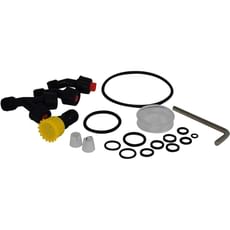
Service kits are essential maintenance packages designed to keep garden and professional spraying equipment operating at peak performance throughout the year. These comprehensive kits contain all the necessary replacement seals, O-rings, nozzles, filters, and other wear-prone components required to restore sprayers to factory-fresh condition. Rather than purchasing individual replacement parts, service kits provide a cost-effective solution that ensures you have every component needed for routine maintenance in one convenient package.
The selection at Tooled-Up.com includes service kits specifically engineered for pressure sprayers ranging from compact 1.25 litre hand-held models to substantial 15 litre backpack units. Leading manufacturers like Hozelock and Spear and Jackson design these kits to match their specific sprayer models, guaranteeing perfect compatibility and reliable performance. Whether maintaining equipment used for garden pest control, professional horticultural applications, or industrial cleaning tasks, regular servicing with the correct kit extends equipment lifespan and prevents costly failures during critical work periods.
Annual servicing is particularly important for sprayers that handle chemical solutions, as deteriorated seals and worn components can lead to leaks, inconsistent spray patterns, and potential exposure to harmful substances. Service kits typically include all seals, gaskets, valves, and washers that experience regular wear, along with detailed instructions for straightforward replacement. This preventative maintenance approach is considerably more economical than replacing entire sprayer units and ensures equipment remains safe and effective year after year.
Jargon Buster
- O-Ring: A circular rubber seal that prevents fluid leakage between joined components. O-rings are subject to degradation from chemical exposure and general wear, making them the most frequently replaced items in sprayer service kits.
- Lance Outlet: The nozzle assembly at the end of the spray wand where fluid exits. Outlets can become blocked or worn, affecting spray pattern and pressure, and are commonly included in comprehensive service kits.
- Pressure Relief Valve: A safety component that releases excess pressure to prevent sprayer damage or bursting. These valves contain springs and seals that require periodic replacement to maintain proper pressure regulation.
- Pump Seal: The critical seal that prevents fluid leaking past the pump piston during operation. Pump seals endure significant friction and pressure, making them prone to wear and a standard inclusion in most service kits.
- Filter Element: A mesh or perforated component that prevents debris entering the pump mechanism or blocking the nozzle. Filters become clogged over time and many service kits include replacement elements.
- Viton: A specialist fluoroelastomer material offering superior chemical resistance compared to standard rubber. Viton seals are essential for sprayers handling aggressive chemicals or solvents.
Who Uses Service Kits?
- Professional Gardeners and Landscapers: Maintaining sprayers used daily for fertiliser, herbicide, and pesticide application
- Horticultural Growers: Servicing equipment critical for crop protection and greenhouse management
- Groundskeepers and Estate Managers: Ensuring reliability of sprayers for large-scale grounds maintenance
- Agricultural Contractors: Maintaining backpack and pressure sprayers for farm applications
- Pest Control Professionals: Servicing specialised sprayers used for insecticide and treatment applications
- Industrial Cleaning Operatives: Maintaining pressure sprayers for degreasing and surface treatment work
- DIY Enthusiasts: Extending the lifespan of garden sprayers through preventative maintenance
- Allotment Holders: Keeping smaller capacity sprayers in good working order for seasonal use
- Property Maintenance Teams: Servicing sprayers for various cleaning and treatment applications
How to Choose the Right Service Kits
The most critical factor when selecting a service kit is ensuring complete compatibility with your specific sprayer model. Tooled-Up stocks manufacturer-specific kits from brands like Hozelock and Spear and Jackson, each designed for particular sprayer ranges. Check your sprayer's model number, capacity, and series name before purchasing – using incorrect components can result in poor sealing, leaks, and equipment damage.
Consider the frequency of use and the substances your sprayer handles. Equipment used daily or with harsh chemicals requires more frequent servicing, typically annually at minimum. Some kits are designated for specific sprayer types such as "Standard," "Plus," or "Pro" ranges, each containing components matched to those models' specifications. Higher-specification kits may include Viton seals for enhanced chemical resistance.
Evaluate what components are included in each kit. Basic service kits typically contain essential seals and O-rings, whilst comprehensive kits may also include outlet assemblies, filters, pressure valves, and pump components. If your sprayer exhibits specific issues like poor spray pattern or pressure loss, selecting a kit that includes outlet or valve components addresses these problems directly.
Check whether the kit includes installation instructions, as some components require specific assembly sequences or techniques. Quality kits provide clear guidance for straightforward servicing, even for those without previous experience. Consider purchasing service kits at the start of the season or during winter storage preparation to ensure you have components ready when needed.
Popular Accessories
- Replacement Lance Extensions: Extended wands for reaching high vegetation or difficult areas
- Spare Nozzle Sets: Different spray patterns for various applications from fine mist to jet stream
- Pressure Gauges: For monitoring and maintaining correct operating pressure
- Replacement Hoses: Extended or replacement hoses for damaged or shortened originals
- Carrying Straps: Padded straps for backpack sprayers to improve comfort during extended use
- Chemical-Resistant Gloves: PPE for safe handling during servicing and operation
- Cleaning Brushes: Specialised brushes for thorough cleaning before servicing
- Pump Lubricants: Specialist lubricants for maintaining pump seals and mechanisms
- Storage Caps: Protective caps to prevent contamination during storage periods
Safety Information
Always depressurise sprayers completely before commencing any service work. Release pressure using the designated valve, then pump several times to ensure all residual pressure is eliminated. Failure to depressurise can result in sudden component ejection causing injury or chemical exposure.
Empty and thoroughly rinse sprayers before servicing, particularly if they've contained pesticides, herbicides, or other hazardous chemicals. Follow HSE guidance and COSHH regulations regarding the handling and disposal of chemical residues. Wear appropriate PPE including chemical-resistant gloves and eye protection during servicing procedures.
Work in a well-ventilated area when servicing sprayers that have contained volatile or toxic substances. Some chemicals can leave residues that emit harmful vapours during disassembly. Dispose of old seals and components responsibly, particularly those contaminated with chemical residues.
After servicing, test sprayers with clean water before introducing chemicals. Check all seals for leaks by pressurising with water and inspecting connections whilst under pressure. Never exceed the manufacturer's maximum pressure rating, as this can cause seal failure even with new components.
Frequently Asked Questions
How often should I service my pressure sprayer?
Most manufacturers recommend annual servicing for domestic sprayers used occasionally, whilst professional equipment used frequently should be serviced every six months or after approximately 50 hours of operation. If you notice leaks, pressure loss, or inconsistent spray patterns, service immediately regardless of time elapsed since the last service.
Can I use a service kit designed for a different sprayer model?
No, service kits are engineered specifically for particular sprayer models and capacities. Using incompatible components can result in improper sealing, leaks, and potential equipment failure. Always verify your exact sprayer model and select the corresponding service kit designed for that specific range.
Do service kits include tools needed for installation?
Most service kits contain only the replacement components such as seals, O-rings, and valves. Basic tools like screwdrivers, spanners, and pliers are typically required for disassembly and reassembly but are not included. Instructions provided with quality kits specify which tools are needed for the servicing procedure.
Will servicing my sprayer void any warranty?
Using genuine manufacturer service kits and following recommended maintenance procedures typically maintains warranty coverage, as regular servicing is considered normal maintenance. However, using incorrect parts or improper servicing techniques may affect warranty claims. Consult your sprayer's warranty documentation or contact the manufacturer if uncertain.
What should I do with chemical residues when servicing sprayers?
Thoroughly rinse sprayers with clean water multiple times before servicing, collecting rinse water for appropriate disposal according to the chemical product's safety data sheet and local environmental regulations. Never pour chemical residues down drains. Contact your local authority for guidance on disposing of pesticide or herbicide contaminated materials safely and legally.