

Set Screws
Pay in 3 interest-free payments on purchases from £30-2000 with  . Learn more.
 Loading...
End of content
Error - No more pages to load
About Set Screws
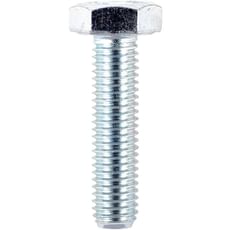
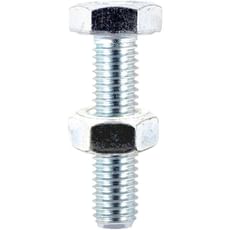
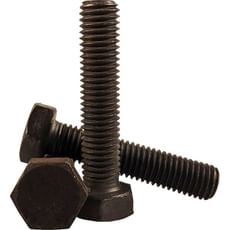
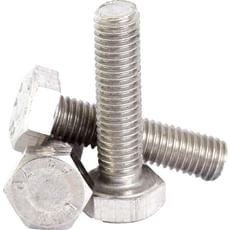
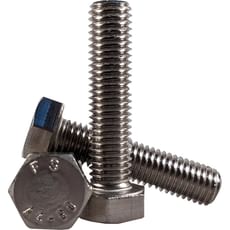
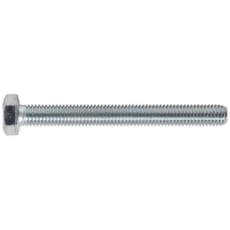
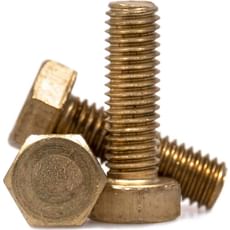
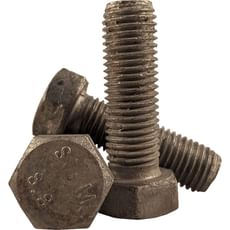
Set screws are fully threaded hexagonal head bolts designed to secure two or more components together, creating a strong and reliable fastening solution. Unlike cap screws or bolts that require a nut, set screws are typically driven directly into threaded holes or used in combination with nuts to clamp materials together. These versatile fasteners are essential for construction, engineering, and maintenance applications where robust connections are required. Available in various materials including stainless steel, high tensile steel, brass, and zinc-plated finishes, set screws provide solutions for both indoor and outdoor applications where corrosion resistance and mechanical strength are paramount.
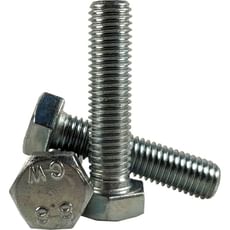
The selection at Tooled-Up.com includes set screws in multiple grades and finishes to suit different load requirements and environmental conditions. High tensile grades such as 8.8 and 10.9 offer exceptional strength for demanding applications, while stainless steel variants (A2 304 and A4 316) provide superior corrosion resistance for marine or chemical environments. Zinc plated and galvanised options deliver cost-effective protection against rust, making them ideal for general construction and outdoor use. Leading manufacturers including Sirius, Timco, and Sealey ensure consistent quality and adherence to DIN standards, providing tradespeople with reliable fastening solutions they can depend on.
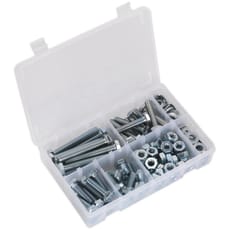
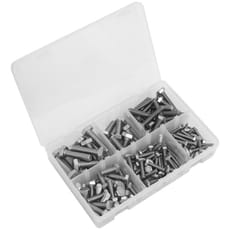
Whether purchased individually or in comprehensive assortment sets ranging from M5 to M10 sizes, set screws are indispensable fixings for professional trades and serious DIY enthusiasts. Conveniently supplied with matching nuts and washers in many cases, these hexagon head fasteners simplify stock management and ensure you always have the correct components for your fastening needs.
Jargon Buster
- Grade 8.8 and 10.9: Numerical classifications indicating the tensile strength of the fastener. Grade 8.8 set screws have a minimum tensile strength of 800 MPa, whilst Grade 10.9 offers even higher strength at 1000 MPa, suitable for high-stress applications.
- A2 and A4 Stainless Steel: Refers to different grades of stainless steel. A2 304 is suitable for most general applications, while A4 316 contains molybdenum for enhanced corrosion resistance in marine and acidic environments.
- DIN 933: The German industrial standard (Deutsches Institut für Normung) specifying the dimensions and tolerances for hexagon head bolts with full thread. Ensures consistency and interchangeability across manufacturers.
- Zinc Plated vs Galvanised: Both are protective coatings against corrosion. Zinc plating is an electroplating process providing a thin, bright finish, whilst galvanisation involves hot-dip coating in molten zinc for thicker, more durable protection.
- High Tensile Steel: Steel that has been heat-treated or alloyed to achieve superior strength characteristics compared to standard mild steel, essential for load-bearing applications.
- Thread Pitch: The distance between adjacent threads, measured in millimetres. Coarse threads are standard for general use, whilst fine pitches are used for precision applications requiring greater holding power.
Who Uses Set Screws?
- Mechanical Engineers: For assembling machinery, equipment housings, and mechanical components requiring secure fastening
- Steel Erectors and Fabricators: Connecting structural steel members in construction and industrial framework
- Plant and Maintenance Engineers: Replacement fasteners for machinery maintenance and repair work
- Motor Vehicle Mechanics: Fixing components in automotive repair and modification work
- Agricultural Engineers: Securing equipment and machinery in farming applications
- Construction Workers: Fastening brackets, fixings, and structural elements on building sites
- Shopfitters and Joiners: Installing heavy-duty fixtures, shelving systems, and structural supports
- Plumbers and Heating Engineers: Securing pipework brackets, boiler components, and mounting equipment
- DIY Enthusiasts: Home workshop projects, garden structures, and general repairs requiring strong fastenings
How to Choose the Right Set Screws
Material and Finish: Select the appropriate material based on your working environment. Stainless steel A2 suits most indoor and outdoor applications, whilst A4 grade is essential for coastal or chemical environments. High tensile steel with zinc plating or galvanisation offers excellent strength for structural work at a lower cost than stainless options. Brass set screws prevent corrosion and avoid magnetic interference in specialist applications.
Strength Grade: Match the grade to the load requirements. Grade 8.8 is suitable for most general engineering and construction applications, providing reliable performance under normal stress. For critical structural connections or high-vibration environments, Grade 10.9 delivers superior tensile and proof strength, reducing the risk of fastener failure.
Size and Thread: Determine the correct diameter and length for your application. Common sizes range from M5 to M16, with lengths varying from 10mm to 100mm or more. Ensure the thread pitch matches existing components—metric coarse thread is standard for most applications. Calculate thread engagement depth to be at least 1.5 times the bolt diameter for optimal holding strength.
Quantity and Packaging: Consider whether individual sizes or assortment sets better suit your needs. Tooled-Up stocks convenient assortment packs containing multiple sizes with matching nuts and washers, ideal for workshops and maintenance departments. Trade professionals working on specific projects may prefer bulk packs of single sizes for better value.
Standards Compliance: Verify that set screws meet relevant DIN or ISO standards for your application, particularly important for structural work, pressure vessels, or safety-critical assemblies where compliance documentation may be required.
Popular Accessories
- Hexagon Nuts: Standard, nyloc, and flange nuts in matching materials and finishes
- Washers: Form A flat washers, spring washers, and penny washers to distribute load and prevent loosening
- Socket Sets: Professional hex socket sets from manufacturers like Wera, Bahco, and Sealey for tightening set screws
- Spanners: Combination and ring spanners in metric sizes for manual tightening
- Torque Wrenches: Essential for achieving correct tightening torque on critical fastenings
- Thread Locking Compound: Prevents vibration loosening in mechanical assemblies
- Cutting Oil and Lubricants: Reduces friction during installation and prevents galling on stainless steel threads
- Thread Taps: For creating or cleaning threads in existing holes
- Storage Organisers: Stanley and DeWalt storage systems to keep fasteners organised by size
Frequently Asked Questions
What's the difference between a set screw and a bolt?
In UK terminology, a set screw typically refers to a fully threaded hexagon head fastener, whilst a bolt is partially threaded with a plain shank section. However, these terms are often used interchangeably in the trade. True set screws (also called grub screws) are headless fasteners that sit flush within threaded holes, though this category focuses on hexagon head fully threaded fasteners commonly called set screws in the UK market.
Can I use stainless steel set screws with mild steel components?
Yes, but exercise caution with galvanic corrosion when combining dissimilar metals, particularly in damp environments. Where stainless steel fasteners contact mild steel, the steel component may corrode preferentially. Use washers or protective coatings to separate the metals, or consider using zinc-plated high tensile steel set screws instead for better compatibility with steel components.
What torque should I apply to set screws?
Torque specifications depend on the bolt size, grade, and application. As a general guide, M8 Grade 8.8 set screws require approximately 25 Nm torque, whilst M10 requires around 50 Nm. Always consult manufacturer guidelines or engineering references for critical applications, and use a calibrated torque wrench to ensure correct tightening. Over-tightening can strip threads or cause fastener failure, whilst under-tightening may result in joint loosening.
Do I need to use washers with set screws?
Washers are highly recommended in most applications. Flat washers distribute the clamping load across a larger surface area, preventing damage to the component material and reducing the risk of the nut pulling through softer materials. Spring washers or nyloc nuts help prevent loosening due to vibration. For structural connections, washers may be specified by building regulations or engineering requirements.
How do I prevent set screws from corroding in outdoor applications?
For outdoor use, select appropriate materials and finishes. Hot-dip galvanised or A2 stainless steel set screws provide good corrosion resistance for most UK weather conditions. For coastal locations or industrial environments with chemical exposure, specify A4 316 stainless steel. Regular inspection and maintenance, including cleaning and application of protective coatings, extends service life in challenging conditions.