

Sharpeners
Pay in 3 interest-free payments on purchases from £30-2000 with  . Learn more.


 Loading...
End of content
Error - No more pages to load
About Sharpeners
Maintaining sharp cutting edges on garden tools, woodworking equipment, and kitchen knives is essential for safety, efficiency, and achieving professional results. A blunt blade requires excessive force, increases the risk of slipping, and can damage materials rather than cutting them cleanly. Tooled-Up.com stocks a comprehensive range of sharpeners designed for different applications, from chainsaw sharpeners and cylinder mower blade sharpeners to multi-purpose tool sharpeners and specialised secateur sharpeners. Whether you're maintaining gardening equipment, workshop tools, or outdoor cutting implements, the right sharpening solution ensures your tools perform at their best whilst extending their working life.
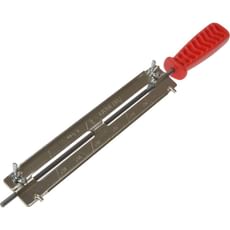
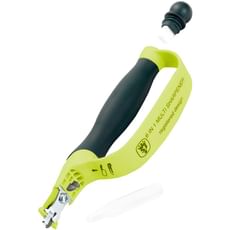
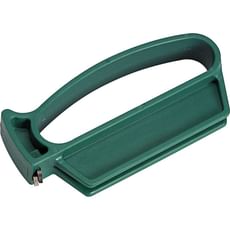
Modern sharpeners come in various formats to suit different tools and user preferences. Manual sharpening stones and files offer precise control and require no power source, making them ideal for field work and fine adjustments. Diamond-coated sharpeners provide aggressive cutting action for hardened steel blades, whilst tungsten carbide sharpeners deliver quick results for general maintenance. Electric and drill-mounted sharpeners available from Tooled-Up.com speed up the process for high-volume users or those maintaining multiple tools regularly. The selection includes versatile multi-tool sharpeners that handle everything from axes and spades to pruning shears, alongside dedicated devices engineered for specific applications like chainsaw chains or cylinder mower blades.
Quality sharpening equipment pays for itself by reducing replacement costs and downtime. Garden professionals, landscape contractors, and keen DIY enthusiasts recognise that regular sharpening is fundamental to tool maintenance. A properly sharpened spade cuts through soil with minimal effort, sharp pruning tools make clean cuts that promote plant health, and well-maintained lawnmower blades create a superior finish whilst reducing strain on the motor. Investing in appropriate sharpeners ensures tools remain productive season after season.
Jargon Buster
- Grit Rating: A numerical value indicating the coarseness of an abrasive surface. Lower numbers (100-400 grit) represent coarse abrasives for removing significant material and reshaping edges, whilst higher numbers (1000+ grit) denote fine abrasives for honing and polishing cutting edges.
- Tungsten Carbide: An extremely hard compound material used in sharpening tools, particularly effective for quick sharpening of garden tools and general-purpose blades. Tungsten carbide sharpeners feature hardened inserts that remove material efficiently.
- Diamond Coating: Industrial diamond particles bonded to a metal surface, creating an exceptionally hard and long-lasting sharpening surface. Diamond sharpeners work on the hardest tool steels and maintain their effectiveness longer than traditional abrasives.
- Sharpening Angle: The angle at which the blade meets the sharpening surface, critical for achieving proper edge geometry. Different tools require specific angles – typically 20-30 degrees for general garden tools, whilst axes may need 25-35 degrees depending on use.
- Honing: The final stage of sharpening that refines and polishes the cutting edge to remove microscopic burrs and irregularities. Honing with fine abrasives creates a smoother, sharper edge that stays keen longer.
- Abrasive Pack: Replacement sharpening surfaces or grinding wheels supplied separately for specific sharpening devices. These consumable components maintain sharpening performance once original surfaces become worn.
Who Uses Sharpeners?
- Gardeners and Groundskeepers: Maintaining secateurs, shears, hoes, spades, and lawn care equipment for clean, efficient cutting
- Landscape Contractors: Keeping chainsaw chains, hedge trimmers, and garden tools sharp for professional results across multiple sites
- Tree Surgeons and Arborists: Sharpening axes, chainsaw chains, and cutting tools essential for safe, effective tree work
- Groundwork and Maintenance Teams: Maintaining cutting tools used in parks, estates, and municipal landscaping operations
- Farmers and Agricultural Workers: Sharpening blades, cutting implements, and harvesting tools throughout the growing season
- Woodworkers and Carpenters: Maintaining chisels, plane blades, and hand tools for precision carpentry work
- Allotment Holders and Keen Gardeners: DIY enthusiasts maintaining their own garden tools for productive cultivation
- Tool Hire Companies: Refurbishing rental equipment between customers to maintain quality standards
- Golf Course and Sports Ground Maintenance: Keeping cylinder mower blades and turf equipment sharp for superior cutting quality
How to Choose the Right Sharpeners
Tool Type Compatibility: Identify which tools you need to sharpen most frequently. Multi-purpose sharpeners handle various garden tools including spades, hoes, and shears, whilst dedicated devices are engineered for specific applications like chainsaw chains, cylinder mower blades, or secateurs. Specialists devices typically deliver superior results for their intended purpose, whilst multi-tool sharpeners offer versatility and value for general maintenance.
Manual versus Powered: Manual sharpeners including stones, files, and hand-held devices require no electrical supply, making them portable and suitable for field sharpening. They offer excellent control but demand proper technique. Drill-mounted sharpeners and 240v electric models speed up the process considerably, ideal for maintaining multiple tools or high-volume commercial applications. Consider your typical workload and access to power when selecting.
Abrasive Material: Tungsten carbide sharpeners provide rapid material removal for general garden tools and are very durable. Diamond-coated sharpeners work on the hardest steels and last exceptionally well but command higher initial investment. Traditional grinding stones and ceramic materials offer fine control and excellent results for precision work. Match the abrasive type to your tool materials and sharpening frequency.
Angle Guides and Consistency: Quality sharpeners incorporate guides or fixtures that maintain correct sharpening angles automatically. This ensures consistent results and prevents accidentally creating incorrect edge geometry. Products with adjustable angle settings accommodate different tool types, whilst dedicated sharpeners have fixed geometry optimised for their specific application.
Portability Requirements: Landscape professionals and mobile workers benefit from compact, lightweight sharpeners that travel easily between sites. Storage tins protect sharpening stones whilst toolboxes or workshops can accommodate larger bench-mounted equipment. Battery-operated or cordless drill-compatible sharpeners offer powered performance without mains dependency.
Brand Reputation and Quality: Established manufacturers like Multi-Sharp, Bahco, and Gardena engineer sharpeners with appropriate abrasives, durable construction, and effective designs proven in professional use. Quality sharpeners maintain their effectiveness over thousands of sharpening cycles, whilst budget alternatives may wear quickly or deliver inconsistent results.
Popular Accessories
- Replacement Abrasive Packs: Grinding wheels, diamond discs, and sharpening surfaces for drill-mounted and powered sharpeners
- Honing Oil: Lubricates sharpening stones, prevents clogging, and enhances cutting action during manual sharpening
- Sharpening Stones: Supplementary whetstones in various grits for fine honing and polishing cutting edges
- Files and Rasps: Traditional hand files for sharpening large blades, axes, and tools requiring significant material removal
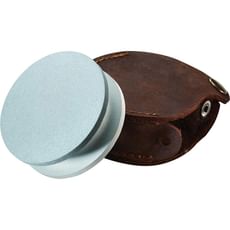
- Storage Cases: Protective tins and cases that keep sharpening stones clean and prevent damage during transport
- Safety Gloves: Cut-resistant gloves protecting hands when handling sharp tools during sharpening operations
- Blade Angle Gauges: Measuring tools ensuring correct sharpening angles are maintained for different tool types
- Cleaning Brushes: Wire brushes and cleaning tools removing metal particles and maintaining sharpener performance
- Tool Maintenance Oils: Protective lubricants applied after sharpening to prevent rust and maintain cutting edges
Safety Information
Personal Protection: Always wear appropriate safety glasses or goggles when sharpening tools, particularly with powered or drill-mounted devices that generate metal particles. Cut-resistant gloves provide protection when handling sharp implements, though avoid wearing loose gloves near rotating sharpeners where entanglement risks exist. Work in well-ventilated areas when power-sharpening generates dust or particles.
Secure Workpieces: Ensure tools being sharpened are properly secured in vices or fixtures to prevent movement during sharpening. Never attempt to sharpen hand-held tools whilst power equipment is running. Disconnect drill-mounted sharpeners from power before fitting or adjusting them, and ensure chucks are fully tightened before operation.
Correct Technique: Follow manufacturer instructions regarding sharpening direction, pressure, and technique. Excessive pressure or incorrect angles can damage blades or cause sharpening equipment to slip. Allow powered sharpeners to reach full speed before applying tools, and never force tools against sharpening surfaces. Keep hands and fingers clear of abrasive surfaces and rotating components at all times.
Equipment Maintenance: Inspect sharpening stones and abrasive surfaces regularly for cracks, excessive wear, or damage. Replace worn components before they become ineffective or unsafe. Keep sharpening equipment clean and free from accumulated metal particles that can affect performance. Store sharpening tools securely where they cannot cause injury when not in use.
Frequently Asked Questions
How often should I sharpen my garden tools?
Sharpening frequency depends on usage intensity and tool type. Secateurs and pruning shears benefit from sharpening every few weeks during active growing seasons, or whenever they begin crushing rather than cleanly cutting stems. Spades, hoes, and digging tools typically need attention 2-3 times per season for regular gardeners, more frequently for professional use. Lawnmower blades should be sharpened at the start of each season and checked every 4-6 weeks during heavy use. Chainsaw chains require sharpening when they produce dust rather than chips, or after hitting soil or stones.
Can I use the same sharpener for different types of tools?
Multi-purpose sharpeners handle various straight-edged garden tools including spades, hoes, axes, and some shears effectively. However, specialised tools like chainsaw chains, cylinder mower blades, and curved secateurs benefit from dedicated sharpeners designed for their specific geometry. The Tooled-Up range includes both versatile multi-tool sharpeners and application-specific devices. For comprehensive tool maintenance, consider a multi-purpose sharpener for general garden implements supplemented by dedicated devices for specialist equipment you use frequently.
Do diamond sharpeners work better than traditional stones?
Diamond sharpeners offer several advantages including exceptional hardness that cuts all tool steels efficiently, consistent performance throughout their lifespan, and no need for soaking or oil preparation. They remove material faster than traditional stones, speeding up the sharpening process. However, they're more expensive initially. Traditional stones and ceramic sharpeners remain excellent choices for fine honing and achieving polished edges. Many professionals use diamond tools for primary sharpening and finer abrasives for final honing.
What's the correct angle for sharpening garden tools?
Most garden cutting tools perform optimally with edges ground at 25-30 degrees. Spades, hoes, and edging tools typically use 30-45 degrees for durability in soil conditions. Axes require 25-30 degrees for splitting work or 20-25 degrees for finer cutting tasks. Secateurs and pruning shears need 20-23 degrees for clean cuts. Quality sharpeners incorporate angle guides eliminating guesswork. When sharpening manually, match the existing bevel angle unless the tool requires reshaping due to damage.
Can I sharpen stainless steel garden tools?
Yes, stainless steel tools sharpen similarly to carbon steel implements, though stainless alloys are typically harder and may take slightly longer. Diamond or tungsten carbide sharpeners work excellently on stainless steel, whilst softer traditional stones may struggle. Use the same angles and techniques as carbon steel tools. Stainless tools resist corrosion better but still benefit from cleaning after sharpening to remove metal particles that could cause rust spots.