

Sharpeners
Pay in 3 interest-free payments on purchases from £30-2000 with  . Learn more.


 Loading...
End of content
Error - No more pages to load
About Sharpeners
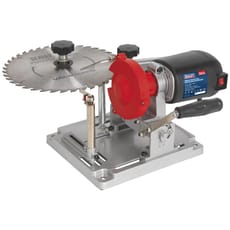
Maintaining sharp cutting edges on tools and equipment is essential for achieving professional results, improving safety, and extending tool life. Sharpeners designed for workshop and trade use deliver precision sharpening for a wide range of cutting implements, from circular saw blades and drill bits to chisels, planes, and garden tools. The range at Tooled-Up includes dedicated saw blade sharpeners, multi-purpose bench sharpeners, and water-cooled wetstone systems that cater to both professional tradespeople and serious DIY enthusiasts who demand accuracy and consistency.
Modern sharpening equipment has evolved considerably from traditional handheld stones, with powered bench sharpeners offering adjustable angle settings, ceramic and diamond grinding discs, and precision guides that ensure repeatable results. Circular saw blade sharpeners, for instance, feature adjustable angle settings from 0-25° to accommodate different tooth configurations, while wetstone systems use water cooling to prevent overheating and maintain the temper of high-quality steel. This level of precision not only restores cutting performance but also reduces the need for frequent tool replacement, making professional sharpening equipment a sound investment for busy workshops.
Quality sharpening systems from manufacturers such as Sealey, Draper, and Multi-Sharp incorporate features like tungsten carbide tip (TCT) compatibility, quick-change grinding wheels, and robust cast construction for stability during operation. Many bench-mounted models connect to standard 240v mains power, providing consistent performance for workshop use, while the availability of replacement grinding discs, honing wheels, and sharpening stones ensures these systems can be maintained economically over many years of regular use.
Jargon Buster
- TCT (Tungsten Carbide Tipped): Saw blades with extremely hard tungsten carbide tips brazed onto the teeth, requiring specialised sharpening equipment with ceramic or diamond grinding wheels.
- Wetstone/Waterstone: A water-cooled sharpening system that uses a rotating stone submerged in water to prevent heat buildup during sharpening, preserving the temper of cutting edges.
- Grit Rating: A numerical indication of abrasive coarseness, with lower numbers (80-220) representing coarse grinding for reshaping, and higher numbers (1000+) indicating fine honing for polishing edges.
- Honing: The final stage of sharpening that polishes and refines a cutting edge after initial grinding, typically using a finer abrasive wheel or leather strop.
- Angle Guide: An adjustable fixture that maintains consistent bevel angles during sharpening, essential for achieving uniform results on chisels, plane irons, and saw teeth.
- Diamond Grinding Disc: A sharpening wheel embedded with industrial diamond particles, offering exceptional durability and effectiveness on hardened steel and carbide materials.
Who Uses Sharpeners?
Professional sharpening equipment is essential for numerous trades and applications:
- Carpenters and Joiners: Maintaining chisels, plane blades, and circular saw blades for precision woodworking
- Shopfitters and Bench Joiners: Keeping workshop tools in optimal condition for high-quality cabinetry and fitted furniture
- Construction Workers: Sharpening saw blades and cutting tools used on site for framing and rough carpentry
- Groundskeepers and Landscapers: Maintaining lawn mower blades, hedge trimmers, and garden cutting tools
- Workshop Owners: Offering blade sharpening services or maintaining hire fleet equipment
- Woodturners and Woodworkers: Precision sharpening of turning tools, gouges, and specialist cutting implements
- DIY Enthusiasts: Home workshop owners who value sharp tools and cost-effective tool maintenance
- Tool Hire Companies: Maintaining cutting equipment between rental periods to ensure customer satisfaction
How to Choose the Right Sharpeners
Tool Compatibility: Identify which tools require regular sharpening in your workshop. Dedicated circular saw blade sharpeners are ideal for trade carpenters, whilst multi-purpose bench sharpeners handle drill bits, chisels, and general cutting tools. Wetstone systems excel at maintaining hand tools without risking heat damage to precision edges.
Power and Motor Capacity: Bench sharpeners typically operate on 240v mains power with motor ratings between 90W and 250W. Higher-powered motors handle larger blades and extended sharpening sessions without overheating, making them suitable for professional workshop environments with heavy usage.
Angle Adjustment Range: Look for sharpeners with adjustable angle settings if you work with various blade types. Circular saw blade sharpeners should offer 0-25° adjustment to accommodate different tooth geometries, whilst chisel and plane blade sharpeners benefit from positive stops at common angles like 25° and 30°.
Grinding Wheel Type: Ceramic wheels suit general-purpose sharpening and TCT saw blades, diamond wheels offer extended life and superior performance on carbide tools, whilst traditional aluminium oxide wheels handle HSS (high-speed steel) effectively. Consider the availability and cost of replacement wheels for your chosen system.
Build Quality and Stability: Cast iron or heavy-duty steel construction provides the stability needed for accurate sharpening. Bench-mounted models should include robust fixing points, whilst the grinding head should adjust smoothly with minimal play in the bearings.
Replacement Parts Availability: Professional sharpening systems require periodic replacement of grinding discs, honing wheels, and drive belts. Tooled-Up.com stocks replacement components for major brands including Sealey and Draper, ensuring long-term serviceability of your investment.
Popular Accessories
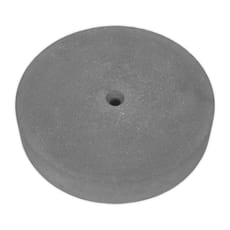
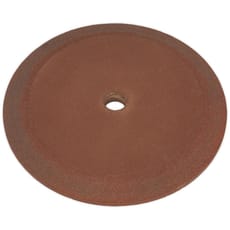
- Replacement Grinding Discs: Ceramic, diamond, and standard grinding wheels in various grit ratings for different sharpening applications
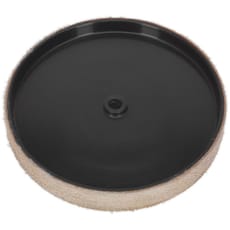
- Honing Wheels: Leather or composite wheels for final polishing and edge refinement after initial grinding
- Sharpening Stones: Replacement stones for wetstone systems and bench sharpeners requiring periodic renewal
- Angle Setting Gauges: Precision tools for verifying bevel angles on blades and cutting edges
- Safety Visors and Goggles: Essential eye protection when operating grinding equipment
- Work Lights: Task lighting to illuminate the grinding area for precision work
- Dressing Tools: Diamond or star-wheel dressers for truing and cleaning grinding wheels
- Coolant and Lubricants: Specialized fluids for water-cooled sharpening systems
Safety Information
Sharpening equipment involves rotating abrasive wheels and must be operated with appropriate precautions. Always wear safety glasses or a face shield to protect against grinding debris and sparks. Ensure guards and safety shields remain in position during operation and never remove them for convenience.
Before use, inspect grinding wheels for cracks or damage – a damaged wheel can disintegrate at operating speed with serious consequences. Allow newly installed wheels to run for one minute before use whilst standing clear of the rotation plane. Secure workpieces properly using guides and jigs rather than hand-holding items against the wheel.
Bench-mounted sharpeners should be firmly bolted to a stable surface to prevent movement during operation. Ensure adequate lighting in the sharpening area and maintain a clean workspace free from sawdust and debris that could present fire hazards from grinding sparks. Disconnect power before changing wheels or performing maintenance, and follow the manufacturer's guidance regarding maximum wheel speed ratings.
For wetstone systems, maintain proper water levels to ensure adequate cooling and prevent wheel damage. When sharpening circular saw blades, remove them completely from the saw and follow the specific procedures for tooth geometry and angle settings to maintain blade balance and cutting performance.
Frequently Asked Questions
Can I sharpen TCT circular saw blades with a standard grinding wheel?
No, tungsten carbide tipped blades require ceramic or diamond grinding wheels specifically designed for TCT sharpening. Standard aluminium oxide wheels will not effectively sharpen carbide and will wear excessively. Dedicated TCT saw blade sharpeners like those from Sealey and Draper include appropriate grinding discs and angle adjustment for carbide teeth.
How often should grinding wheels be replaced?
Grinding wheel lifespan depends on usage frequency and materials being sharpened. Replace wheels when they become glazed (smooth and shiny), loaded with material, significantly reduced in diameter, or show any cracks or chips. Diamond wheels generally outlast ceramic and standard wheels considerably, making them economical for professional workshops despite higher initial cost.
What's the advantage of a wetstone sharpener over a dry grinding wheel?
Wetstone systems use water cooling to prevent heat buildup during sharpening, which preserves the temper of high-quality tool steel. Dry grinders can overheat cutting edges, turning them blue and softening the steel, requiring regrinding to remove the damaged material. Wetstones are ideal for precision hand tools like chisels and plane blades where maintaining hardness is critical.
Can multi-purpose sharpeners handle both drill bits and chisels effectively?
Yes, quality multi-purpose bench sharpeners include different grinding stations and angle guides for various tool types. They typically feature a grinding wheel for general sharpening, specific ports or jigs for drill bits in different sizes, and adjustable tool rests for chisels and plane blades. This versatility makes them excellent value for workshops maintaining diverse cutting tools.
Do I need different grit ratings for different sharpening tasks?
While a medium grit wheel (100-120) handles most general sharpening tasks, having both coarse and fine wheels optimises results. Coarse grits (80-100) quickly reshape damaged or very dull edges, whilst fine grits (180-220+) produce polished, sharp edges for precision work. Some sharpeners accommodate wheel changes, whilst others feature dual wheels for immediate access to different grits.