

Shavehooks
Pay in 3 interest-free payments on purchases from £30-2000 with  . Learn more.
 Loading...
End of content
Error - No more pages to load
About Shavehooks
Shavehooks are essential hand tools designed specifically for removing paint, varnish, and other finishes from irregular surfaces where standard scrapers cannot reach effectively. Unlike flat scrapers, shavehooks feature specially shaped blades that conform to curves, corners, mouldings, and intricate woodwork, making them indispensable for paint stripping on skirting boards, architraves, window frames, and decorative features. The curved and pointed edges allow decorators and restorers to work precisely around detailed surfaces without damaging the underlying material.
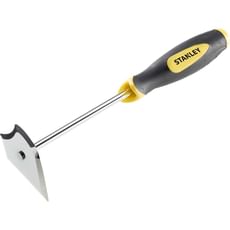
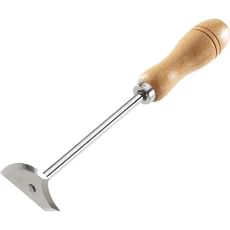
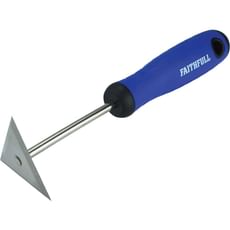
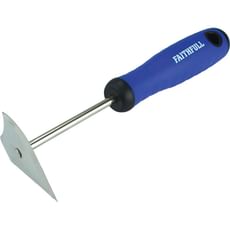
Traditional shavehooks come in two primary configurations: combination models featuring multiple blade shapes on a single head, and specialist triangular designs for reaching tight corners and angles. Combination shavehooks typically offer four different edge profiles on a 2mm steel blade—including convex, concave, straight, and pointed edges—mounted on a robust shaft and fitted with either wooden or soft-grip handles for comfortable extended use. Tooled-Up.com stocks shavehooks from trusted brands including Stanley, Draper, and Faithfull, each offering variations suited to different stripping tasks and user preferences.
Modern shavehooks benefit from ergonomic design improvements, with soft-grip handles reducing hand fatigue during prolonged paint removal work. The blades are manufactured from hardened steel to maintain sharpness through demanding use, whilst remaining replaceable or sharpenable to extend tool life. Whether tackling renovation projects, furniture restoration, or preparing surfaces for repainting, a quality shavehook remains one of the most effective tools for detailed paint removal work.
Jargon Buster
- Combination Shavehook: A multi-purpose design featuring four different blade profiles on a single head, allowing the user to select the appropriate edge shape for convex, concave, flat, or pointed surfaces without changing tools.
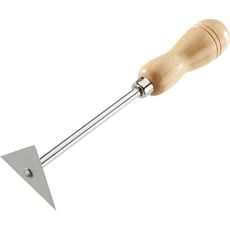
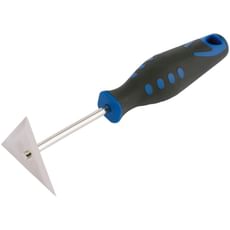
- Triangular Shavehook: A specialist design with a pointed triangular blade specifically shaped for reaching into tight corners, angles, and hard-to-access areas where standard scrapers cannot fit.
- Blade Profile: The shaped cutting edge of the shavehook, including convex (outward curve), concave (inward curve), straight, and pointed configurations designed to match different surface contours.
- Soft-Grip Handle: An ergonomic handle covered with rubber or polymer material that provides comfortable grip, reduces hand fatigue, and prevents slipping during use.
- Pull Stroke: The recommended technique for using shavehooks, pulling the blade towards you rather than pushing away, which provides better control and reduces the risk of gouging the surface.
- Heat Stripping: A paint removal method often used in conjunction with shavehooks, where a heat gun softens old paint before scraping, making the removal process more efficient.
Who Uses Shavehooks?
- Painters and Decorators: Professional tradespeople who regularly prepare surfaces by removing old paint and varnish before applying new finishes
- Furniture Restorers: Specialists who strip antique and vintage furniture to reveal original wood or prepare pieces for refinishing
- Property Renovators: Builders and restoration contractors working on period properties with detailed mouldings and architectural features
- Joiners and Carpenters: Woodworking professionals who need to remove finishes from joinery, doors, and window frames
- Maintenance Teams: Site maintenance workers and caretakers responsible for upkeep of period buildings and listed properties
- DIY Enthusiasts: Homeowners undertaking renovation projects, furniture upcycling, or preparing woodwork for redecoration
- Heritage Conservators: Specialists working on listed buildings where careful paint removal is essential to preserve historic fabric
How to Choose the Right Shavehooks
Selecting the appropriate shavehook depends primarily on the surfaces you'll be working with most frequently. Combination shavehooks offer the greatest versatility, providing four blade profiles in one tool—ideal for decorators and renovators tackling varied surfaces throughout a project. The Tooled-Up range includes both combination and triangular models, each suited to different applications. If your work focuses heavily on cornering, architraves, or tight angles, a dedicated triangular shavehook provides optimal access and control.
Handle design significantly impacts user comfort during extended stripping sessions. Soft-grip handles with ergonomic contouring reduce hand fatigue and provide secure grip even when working with chemical strippers or in damp conditions. Professional-grade models from Stanley and Faithfull feature well-balanced designs that feel natural in the hand, whilst budget options may sacrifice comfort for lower cost—a consideration for anyone facing substantial paint removal work.
Blade quality determines both performance and longevity. Look for shavehooks manufactured from hardened steel (typically 2mm thickness) that holds a sharp edge through repeated use against stubborn paint layers. Blades should be securely attached to a robust shaft (usually 6mm steel) that won't flex or twist during heavy scraping. Some models feature replaceable blades, extending tool life without requiring complete replacement.
Consider the scale of your project when choosing between entry-level and professional tools. Occasional DIY users stripping a single door frame may find economy models perfectly adequate, whilst professional decorators at Tooled-Up.com benefit from investing in premium shavehooks that withstand daily site work. Brand reputation matters—Stanley, Draper, and Faithfull each offer proven reliability backed by warranties and replacement part availability.
Popular Accessories
- Heat Guns: Electric tools that soften paint layers for easier removal, working in conjunction with shavehooks for efficient stripping
- Chemical Paint Strippers: Solvent-based or caustic removers that break down multiple paint layers before mechanical scraping
- Wire Brushes: Used alongside shavehooks to remove loosened paint from textured surfaces and grain
- Scrapers and Filling Knives: Complementary tools for flat surface preparation once shavehooks have addressed detailed areas
- Abrasive Papers and Pads: Finishing materials used after paint removal to smooth surfaces ready for new finishes
- Work Gloves: Protective handwear essential when using chemical strippers or working with sharp blades
- Dust Sheets and Masking Materials: Protection for surrounding areas during paint removal work
- Sharpening Stones: Maintenance tools for keeping shavehook blades sharp and effective throughout their working life
Safety Information
Always pull shavehooks towards your body rather than pushing away, maintaining control and reducing the risk of the blade slipping and causing injury. Ensure your free hand stays behind the blade's path at all times. Wear appropriate eye protection when stripping paint, as fragments can flick upwards unexpectedly, and consider dust masks when removing old paint that may contain lead or other hazardous materials—particularly relevant in pre-1960s properties.
When using shavehooks in conjunction with chemical paint strippers, follow HSE guidance and COSHH regulations. Provide adequate ventilation, wear chemical-resistant gloves, and avoid skin contact with stripping agents. Never use heat guns near flammable materials or in enclosed spaces without proper ventilation, as paint fumes when heated can be toxic. Always check the blade security before use—a loose blade can detach unexpectedly during work.
Keep shavehook blades sharp; counterintuitively, dull blades are more dangerous as they require excessive force that can lead to slipping. Store shavehooks with blade guards or in toolboxes where the sharp edges cannot cause accidental cuts. When working on ladders or at height, secure your shavehook properly between uses rather than placing it loosely on platforms where it might fall or cause injury.
Frequently Asked Questions
What's the difference between a combination and triangular shavehook?
A combination shavehook features multiple blade profiles (typically four) on a single head, allowing you to tackle convex, concave, flat, and pointed surfaces with one tool. Triangular shavehooks have a single pointed blade specifically designed for reaching tight corners, angles, and intricate details where combination models cannot effectively access. Most professional decorators keep both types in their toolkit for complete coverage.
Can shavehooks be used on metal surfaces?
Whilst shavehooks are primarily designed for stripping paint from wood, they can be used on metal surfaces with care. The hardened steel blades are suitable for removing paint and rust from cast iron radiators, metal window frames, and ironwork. However, exercise caution to avoid gouging softer metals like aluminium, and consider specialist metal scrapers for extensive metalwork stripping projects.
How do I maintain and sharpen my shavehook?
Keep shavehook blades clean and dry after use, removing any paint residue with white spirit or appropriate solvents. Sharpen the blades periodically using a fine file or sharpening stone, maintaining the original blade angle—typically around 30-45 degrees. Work along each edge profile carefully, applying consistent pressure. Some users prefer to replace blades rather than sharpen them, particularly on budget models where the blade cost approaches the tool's replacement price.
Are shavehooks suitable for removing modern emulsion paint?
Shavehooks excel at removing oil-based paints, varnishes, and multiple layers of traditional finishes, but modern water-based emulsions can be more challenging. Emulsion often requires chemical strippers or steam to soften adequately before scraping. For best results with emulsion, apply appropriate stripper, allow sufficient dwell time, then use your shavehook to remove the softened paint. The tool remains effective on undercoats and primers beneath emulsion layers.
Do I need different shavehooks for different project sizes?
Standard shavehooks work effectively across most domestic and commercial projects. However, miniature versions are available for intricate furniture restoration and model work, whilst larger industrial models suit heavy-duty site work. For most painters, decorators, and DIY users, a quality standard-sized combination shavehook from brands like Stanley or Faithfull provides sufficient capability for everything from detailed architrave work to larger skirting board projects.