

Shears & Snips

Pay in 3 interest-free payments on purchases from £20-£3000 with  . Learn more.

 Loading...
End of content
Error - No more pages to load
About Shears & Snips
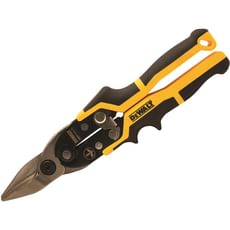
Shears and snips are essential cutting tools designed for precision work with sheet metal, wire, plastic, and other thin materials. Unlike standard scissors, these specialised tools feature compound leverage mechanisms and hardened cutting edges that deliver the power and control needed for professional metalworking, HVAC installation, automotive fabrication, and construction applications. From delicate jewellery work to heavy-duty metal roofing, the right shears or snips make all the difference between clean, accurate cuts and damaged materials.
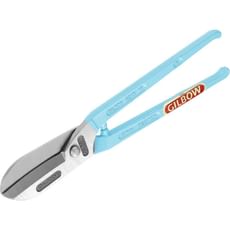
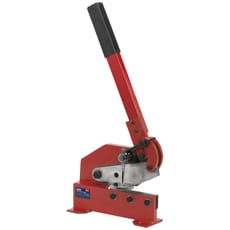
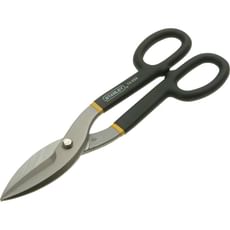
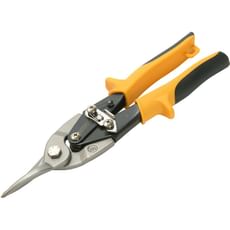
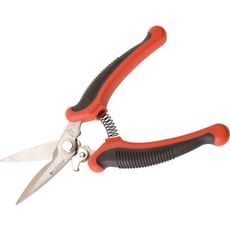
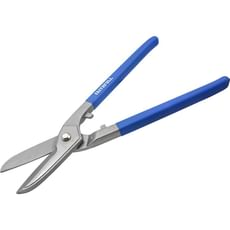
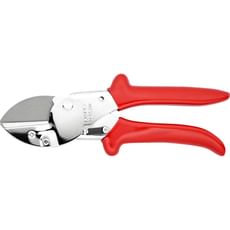
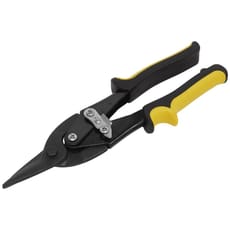
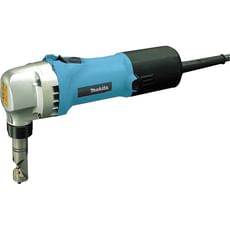
The selection at Tooled-Up.com encompasses everything from aviation snips with colour-coded handles for straight, left, and right cuts, to robust metal shears capable of cutting through 18-gauge steel. Tinsnips provide reliable straight-line cutting for sheet metal work, whilst nibblers remove narrow strips of material for tight curves and intricate shapes without distorting the surrounding metal. Multi shears offer versatility with interchangeable heads for different materials, and jewellers snips deliver the fine precision required for delicate wirework and detailed fabrication.
Quality cutting tools from trusted brands like Knipex, Bahco, and Stanley ensure clean edges, reduced hand fatigue, and years of reliable service. Whether you're a sheet metal fabricator, roofer, HVAC engineer, or jewellery maker, professional-grade shears and snips are fundamental tools that directly impact the quality and efficiency of your work.
Jargon Buster
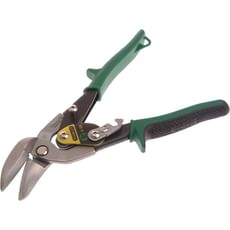
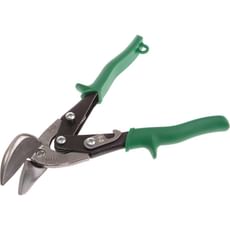
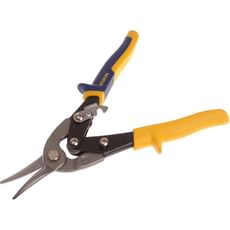
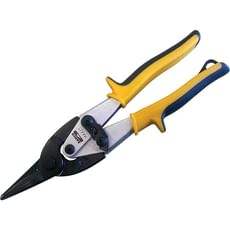
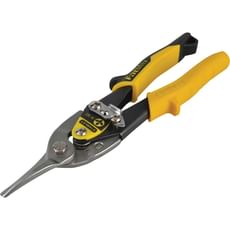
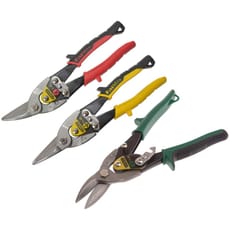
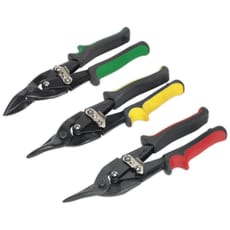
- Aviation Snips: Compound-action cutting tools with offset blades designed for cutting sheet metal in straight lines, left curves, or right curves. Typically colour-coded (yellow for straight, red for left, green for right) to quickly identify cutting direction.
- Nibbler: A cutting tool that removes a narrow strip of material by punching out small pieces in rapid succession, allowing for tight radius curves and complex shapes without distorting the metal edge.
- Compound Action: A leverage mechanism using multiple pivot points to multiply cutting force, allowing easier cuts through thicker or harder materials with less hand pressure.
- Gauge: The thickness measurement of sheet metal, where a higher gauge number indicates thinner material (e.g., 24-gauge is thinner than 18-gauge steel).
- Throat Depth: The distance from the cutting edge to the back of the tool, determining how far into a sheet of material you can cut from the edge.
- Spring-Loaded: A return mechanism that automatically opens the blades after each cut, reducing hand fatigue during repetitive cutting tasks.
Who Uses Shears & Snips?
- Sheet Metal Workers: For cutting and shaping ventilation ducting, metal cladding, and fabricated components
- HVAC Engineers: Cutting and forming ductwork, flashing, and metal insulation jackets
- Roofers: Trimming metal flashing, guttering, ridge tiles, and roofing sheets
- Plumbers: Cutting metal pipes, brackets, and support materials
- Electricians: Trimming cable trays, metal conduit, and support brackets
- Automotive Technicians: Cutting body panels, exhaust components, and metal trim
- Jewellers & Craftspeople: Precision cutting of wire, thin sheet metal, and delicate components
- Fabricators & Engineers: Cutting materials for custom metalwork and prototype development
- Builders & General Tradespeople: Various cutting tasks involving metal fixings, flashings, and building materials
- DIY Enthusiasts: Home improvement projects involving guttering, flashing, and metal trim work
How to Choose the Right Shears & Snips
Material Type and Thickness: Match your cutting tool to the material you'll be working with most frequently. Aviation snips typically handle up to 18-gauge mild steel, whilst heavier metal shears cut through thicker materials up to 1.2mm or more. For aluminium, copper, or plastics, standard tinsnips often suffice, but harder materials like stainless steel require hardened cutting edges.
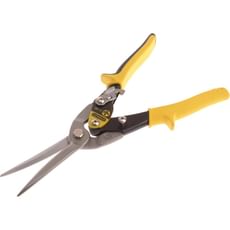
Cutting Direction: Aviation snips are designed for specific cutting directions. Straight-cut (yellow-handled) snips work best for long, straight lines. Left-cut (red) and right-cut (green) models prevent the waste material from interfering with your cutting line when following curves. Tooled-Up stocks complete sets for maximum versatility on site.
Handle Design and Comfort: For extended use, ergonomic handles with cushioned grips significantly reduce hand fatigue. Spring-loaded return mechanisms help maintain productivity during repetitive cutting. Consider the handle size relative to your hand dimensions, particularly if wearing work gloves.
Cutting Capacity: Check the maximum material gauge the tool can handle. Professional tradespeople often need snips rated for 18-gauge steel or thicker, whilst lighter trades may only require 22-gauge capacity. Overloading snips designed for thinner materials leads to blade damage and poor cut quality.
Special Features: Serrated edges grip slippery materials, whilst offset blades provide clearance for your hands when cutting flat sheets. Some models offer replaceable cutting heads or blades, extending tool life. Nibblers excel at tight curves and enclosed cuts where snips cannot reach.
Build Quality: Professional-grade tools from manufacturers like Knipex and Bahco feature forged steel construction, precisely ground cutting edges, and robust pivot mechanisms that withstand years of demanding site work. Cheaper alternatives may seem economical initially but often require frequent replacement.
Popular Accessories
- Replacement Blades: Extend the life of your cutting tools with sharp replacement cutting edges
- Tool Holsters & Pouches: Keep snips secure and accessible on your tool belt or work vest
- Lubricating Oil: Maintain smooth pivot action and prevent rust on metal components
- Safety Gloves: Cut-resistant gloves protect hands from sharp metal edges during cutting operations
- Files & Deburring Tools: Smooth rough edges left after cutting metal
- Measuring Tools: Tape measures and marking tools for accurate cutting layouts
- Magnetic Trays: Keep small cut-offs and fixings organised during fabrication work
- Tool Storage Solutions: Organised storage systems from Milwaukee PACKOUT or Stanley FatMax protect cutting edges
Safety Information
Personal Protection: Always wear safety glasses when cutting metal, as sharp fragments can fly towards your face and eyes. Cut-resistant gloves protect your hands from sharp material edges, though avoid loose gloves that might catch in the tool mechanism. For extensive cutting operations, consider hearing protection, as some materials create high-pitched sounds during shearing.
Material Handling: Freshly cut metal edges are extremely sharp and can cause deep lacerations. Handle cut materials carefully and deburr edges promptly. Secure workpieces properly before cutting to prevent movement that could cause injury or poor cuts. Never force cutting tools beyond their rated capacity, as this can cause blade failure or the tool to slip suddenly.
Tool Maintenance: Inspect cutting edges regularly for chips, cracks, or excessive wear that could compromise cutting performance or cause the tool to bind unexpectedly. Keep pivot points clean and lightly oiled for smooth operation. Store shears and snips with blade guards or in protective pouches to prevent accidental cuts and maintain sharp edges. Follow HSE guidance for hand tool safety in professional environments.
Frequently Asked Questions
What's the difference between aviation snips and tinsnips?
Aviation snips feature compound leverage for easier cutting through thicker materials (typically up to 18-gauge steel) and come in straight-cut, left-cut, and right-cut configurations for different cutting directions. Tinsnips are simpler straight-cutting tools better suited for thinner materials and long, straight cuts. Aviation snips offer more power and versatility, making them the preferred choice for professional sheet metal work.
Which colour aviation snip do I need?
Yellow-handled snips cut straight lines and gentle curves. Red-handled snips cut left-hand curves (anticlockwise), with the waste material curling away to the right. Green-handled snips cut right-hand curves (clockwise), with waste curling left. Most professionals keep all three types available, but if choosing just one, straight-cut (yellow) snips offer the most versatility for general work.
Can I sharpen shears and snips when they become dull?
Professional shears and snips can be sharpened, but this requires specialised knowledge to maintain the correct blade angle and edge geometry. Improper sharpening damages the cutting edges and reduces performance. For most users, purchasing replacement blades (where available) or replacing the entire tool proves more practical than attempting to sharpen them. Regular cleaning and lubrication extends blade life significantly.
What gauge metal can standard aviation snips cut?
Quality aviation snips typically cut up to 18-gauge cold-rolled steel or 20-gauge stainless steel. They handle thicker gauges in softer materials like aluminium (often up to 16-gauge). Always check the manufacturer's specifications, as cutting capacity varies between models. Attempting to cut material beyond the tool's rating damages the cutting edges and may cause injury if the tool slips.
Do I need a nibbler if I already have aviation snips?
Nibblers serve different purposes than snips. Whilst aviation snips excel at cutting from the edge of a sheet, nibblers can start cuts in the middle of a panel and follow extremely tight curves without distorting the surrounding material. Nibblers also create less hand fatigue for extensive curved cutting. For professionals working regularly with complex shapes or making cutouts in existing panels, nibblers are invaluable complementary tools rather than replacements for snips.