

Shed & Fence Brushes

Pay in 3 interest-free payments on purchases from £20-£3000 with  . Learn more.
 Loading...
End of content
Error - No more pages to load
About Shed & Fence Brushes
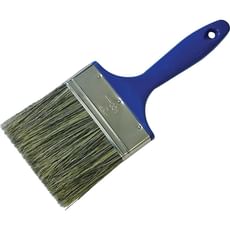
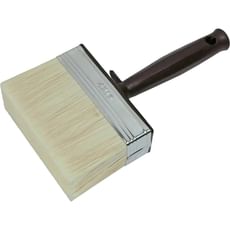
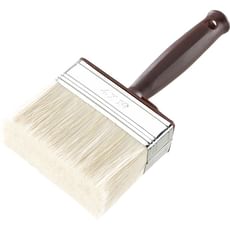
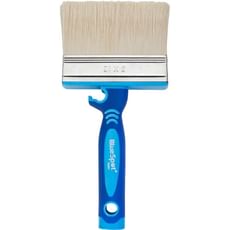
Shed and fence brushes are specialist decorating tools designed for the efficient application of paints, stains, preservatives and timber treatments across large exterior surfaces. These brushes feature wider heads than standard paintbrushes, typically ranging from 100mm to 150mm, enabling faster coverage of garden structures, fencing panels, decking and outbuildings. The bristle composition usually combines synthetic and natural fibres, offering excellent paint loading capacity and smooth, even distribution of thicker exterior treatments.
The construction of quality shed and fence brushes prioritises durability and comfort during extended use. Most feature robust steel ferrules that resist corrosion from water-based and solvent-based products, whilst ergonomic handles – often with soft-grip coatings – reduce hand fatigue during larger projects. Tooled-Up.com stocks shed and fence brushes from trusted brands including Faithfull, Stanley and Blue Spot, each engineered to withstand the demands of exterior timber treatment application.
These brushes differ significantly from interior decorating brushes, with stiffer bristles that work treatments into rough-sawn timber and weather-beaten surfaces. The wider profile allows for rapid coverage whilst maintaining control, making them indispensable for seasonal garden maintenance, fence restoration projects and shed preservation work throughout the UK.
Jargon Buster
- Bristle Mix: The combination of synthetic and natural fibres used in brush construction. Natural bristles excel with oil-based treatments, whilst synthetic fibres work better with water-based products. A mixed composition offers versatility across all treatment types.
- Ferrule: The metal band that secures the bristles to the handle. Steel ferrules provide superior durability and corrosion resistance when working with exterior treatments and during cleaning.
- Paint Loading: The brush's capacity to hold treatment within its bristles. Shed and fence brushes feature dense bristle packs that retain more product, reducing the frequency of reloading and speeding up application.
- Flagged Tips: Bristle ends that are split or frayed to hold more paint and create smoother finishes. This feature helps treatments flow evenly across rough timber surfaces.
- Soft Grip Handle: An ergonomic coating applied to brush handles to improve comfort and reduce slippage during prolonged use, particularly important when working with wet or oily products.
- Timber Preservative: Protective treatments applied to exterior wood to prevent rot, insect damage and weathering. Shed and fence brushes are specifically designed for the efficient application of these often thicker formulations.
Who Uses Shed & Fence Brushes?
Shed and fence brushes are essential tools for a diverse range of users:
- Professional Decorators & Painters: For exterior timber treatment contracts and garden structure maintenance projects
- Landscape Gardeners: Installing and maintaining fencing, decking and garden structures as part of comprehensive landscaping services
- Property Maintenance Contractors: Carrying out seasonal preservation work across commercial and residential properties
- Groundskeepers & Estate Managers: Maintaining extensive fencing, sheds and outdoor timber structures on larger properties
- DIY Enthusiasts: Homeowners undertaking garden improvement projects and seasonal shed and fence maintenance
- Facilities Management Teams: Responsible for maintaining exterior timber structures at schools, parks and public buildings
- Agricultural Workers: Preserving fencing, field shelters and timber structures on farms and rural properties
- Carpenters & Joiners: Applying protective treatments to bespoke exterior timber installations
How to Choose the Right Shed & Fence Brushes
Selecting the appropriate shed and fence brush depends on several practical considerations:
Brush Width: Match the brush size to your project scale. Wider brushes (120-150mm) suit extensive fencing runs and large sheds, providing faster coverage. Smaller widths offer greater control around detailed areas like window frames and door edges.
Bristle Composition: Mixed bristle brushes available at Tooled-Up offer versatility across water-based and solvent-based treatments. For exclusively oil-based preservatives, natural bristles provide superior application. Synthetic-only bristles excel with modern water-based formulations.
Handle Design: Ergonomic handles with soft-grip coatings significantly reduce hand fatigue during extended application sessions. Consider handle length for reaching elevated areas or working across tall fence panels without excessive stretching.
Ferrule Quality: Steel ferrules resist corrosion from aggressive treatments and survive repeated cleaning with solvents or detergents. Avoid plastic ferrules for professional or frequent use, as they may crack or detach from the handle.
Durability Requirements: Professional tradespeople require brushes that withstand daily use and aggressive cleaning regimes. Brands like Faithfull and Stanley offer robust construction suitable for trade applications, whilst economy options serve occasional DIY projects adequately.
Budget Considerations: Quality shed and fence brushes represent excellent value through their longevity and efficient application. A well-maintained brush outlasts multiple cheap alternatives whilst delivering superior results throughout its lifespan.
Popular Accessories
Complement your shed and fence brush with these essential accessories:
- Brush Cleaners & Solvents: Specialised cleaning solutions for removing oil-based and water-based treatments, extending brush life
- Paint Kettles & Scuttles: Convenient containers for decanting treatments, reducing contamination of main tins and improving portability
- Dust Sheets & Ground Protection: Protecting surrounding plants, paving and structures during treatment application
- Masking Tape: Creating clean lines around windows, fixtures and areas requiring protection from treatment
- Sandpaper & Wire Brushes: Preparing weathered timber surfaces before treatment application for optimal adhesion
- Disposable Gloves: Protecting hands from preservatives and stains during application and cleaning
- Brush Storage Solutions: Suspended storage systems preventing bristle damage between projects
- Timber Treatments & Preservatives: Fence paints, wood stains, creosote substitutes and protective coatings
Safety Information
When using shed and fence brushes with timber treatments, observe these essential safety practices:
Personal Protective Equipment: Wear appropriate gloves when handling preservatives and stains, as many contain chemicals that may irritate skin. Consider safety glasses when working overhead to prevent drips entering eyes. Ensure adequate ventilation when working with solvent-based treatments, particularly in confined spaces.
Product Handling: Always read treatment manufacturer instructions regarding application methods and safety precautions. Many timber preservatives are flammable and require careful storage away from ignition sources. Dispose of cleaning solvents and contaminated materials according to local authority guidelines and COSHH regulations.
Working at Height: When treating tall fences or elevated shed areas, use stable ladders or platforms with appropriate fall protection. Never overreach whilst working from ladders, as this increases the risk of losing balance.
Environmental Considerations: Avoid applying treatments during wet or extremely windy conditions, which affect adhesion and may cause overspray onto surrounding areas. Protect nearby plants and water features from contamination during application.
Frequently Asked Questions
Q: How often should I treat my shed and fencing?
A: Most timber treatments require reapplication every 2-3 years, though this varies depending on product type, timber quality and weather exposure. Annual inspection helps identify areas requiring attention before significant weathering occurs. South-facing structures typically need more frequent treatment due to increased UV exposure.
Q: Can I use the same brush for water-based and oil-based treatments?
A: Whilst mixed-bristle brushes technically work with both, thoroughly clean and dry brushes before switching between product types. Many professionals maintain separate brushes for water-based and solvent-based treatments to avoid contamination and simplify cleaning. The range at Tooled-Up.com offers affordable options enabling users to dedicate specific brushes to particular treatment types.
Q: How do I properly clean my shed and fence brush?
A: For water-based treatments, rinse thoroughly under running water whilst working bristles with your fingers until water runs clear. For oil-based products, use white spirit or appropriate solvent, working it through the bristles before washing with warm soapy water. Reshape bristles and suspend the brush to dry, preventing bristle distortion.
Q: What brush size is best for standard fence panels?
A: A 100-120mm brush provides the ideal balance between coverage speed and control for typical 6ft fence panels. Wider brushes accelerate large runs but become unwieldy around posts and fixtures. Smaller brushes suit intricate work but significantly extend application time on extensive fencing.
Q: Why are shed and fence brushes wider than regular paintbrushes?
A: The increased width delivers faster coverage across large, relatively flat surfaces like fence panels and shed walls. These structures typically lack the detailed cutting-in work required for interior decorating, making speed and capacity more valuable than precision. The stiffer bristles also work thicker preservatives into rough timber more effectively than delicate interior brushes.