

Wood Paints & Treatments
Pay in 3 interest-free payments on purchases from £30-2000 with  . Learn more.
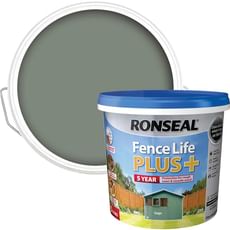
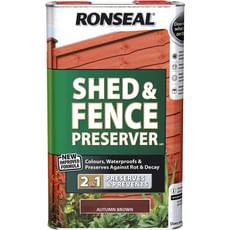
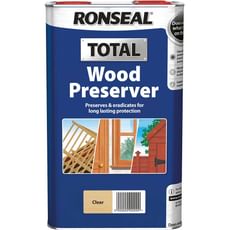
 Loading...
End of content
Error - No more pages to load
About Wood Paints & Treatments
Wood paints and treatments are essential protective coatings designed to preserve, enhance and extend the lifespan of timber in both interior and exterior applications. These specialised products create a barrier against moisture, UV radiation, fungal decay, insect infestation and general weathering that can cause wood to deteriorate over time. From garden fences and sheds to decking, cladding and timber furniture, proper treatment ensures wood maintains its structural integrity and aesthetic appeal for years to come.
The range available at Tooled-Up.com includes high-performance wood preservers, fence paints, shed treatments and total wood protection systems from trusted manufacturers like Ronseal. Modern formulations combine advanced weather-resistant technology with long-lasting colour retention, offering protection periods of up to five years or more. Whether you're maintaining existing timber structures or treating new wood before installation, these products provide crucial defence against the elements whilst enhancing the natural beauty of the grain.
Quality wood treatments come in various formulations including water-based and solvent-based options, clear preservers, opaque paints and coloured stains. Many contemporary products offer quick-drying properties, low odour formulations and improved environmental profiles whilst maintaining the robust protection that professional tradespeople and DIY enthusiasts demand for outdoor joinery, fencing and structural timber work.
Jargon Buster
- Wood Preserver: A penetrating treatment that soaks into timber to protect against rot, decay and insect attack from within the wood structure, often used as a base coat before painting or staining.
- Microporous: A breathable coating that allows moisture vapour to escape from the wood whilst preventing liquid water penetration, reducing the risk of blistering, flaking and timber decay.
- UV Protection: Additives within wood treatments that shield timber from ultraviolent radiation damage, preventing colour fading, greying and surface degradation caused by prolonged sun exposure.
- Fungicidal Treatment: Chemical compounds incorporated into wood treatments that prevent fungal growth, wet rot and dry rot by creating an inhospitable environment for spores and organisms.
- Grain Enhancement: The ability of certain wood stains and treatments to accentuate the natural pattern and texture of timber whilst providing protective qualities.
- Coverage Rate: The area that can be treated per litre of product, typically expressed in square metres per litre (m²/L), which varies depending on wood porosity and application method.
Who Uses Wood Paints & Treatments?
- Landscape Gardeners: Professionals treating fencing, pergolas, decking and outdoor timber structures as part of garden installation and maintenance contracts.
- Property Maintenance Contractors: Tradespeople responsible for preserving and maintaining timber elements on residential and commercial properties.
- Carpenters and Joiners: Skilled woodworkers treating bespoke joinery, external timber frames and architectural woodwork before and after installation.
- Painters and Decorators: Professionals preparing and finishing timber surfaces as part of comprehensive decoration projects.
- Homeowners and DIY Enthusiasts: Individuals maintaining their own garden structures, sheds, fences and external woodwork.
- Facilities Management Teams: Those responsible for maintaining timber assets across estates, parks, schools and commercial premises.
- Agricultural Workers: Farm staff treating wooden gates, fencing, stables and agricultural buildings exposed to harsh weather conditions.
How to Choose the Right Wood Paints & Treatments
Selecting the appropriate wood treatment depends primarily on the location and exposure level of the timber. External wood facing harsh weather conditions requires heavy-duty preservers with extended protection periods and robust UV resistance, whilst sheltered timber or interior applications may need lighter treatments. Consider whether the wood is new or previously treated, as this affects product compatibility and preparation requirements.
Determine whether you need a clear preserver that maintains the natural wood appearance, a coloured stain that enhances the grain whilst adding pigment, or an opaque paint that completely covers the timber. The products stocked at Tooled-Up include options offering five-year protection guarantees, ideal for reducing maintenance frequency on large fencing runs or difficult-to-access structures.
Consider the environmental conditions and wood type you're treating. Softwoods like pine and spruce are more porous and may require different coverage rates compared to hardwoods. Water-based treatments offer easier cleanup and lower odour levels, making them suitable for occupied areas, whilst solvent-based products often provide deeper penetration for maximum protection. Check the recommended coverage rate to calculate how much product you'll need, and verify the recoat time if multiple applications are required.
Application method matters too – some treatments are designed for brush application, others work well with sprayers or rollers. For large-scale projects like extensive fencing, products that can be applied by multiple methods offer greater flexibility. Always ensure the product includes fungicidal and insecticidal properties if treating vulnerable timber in damp or ground-contact situations.
Popular Accessories
- Exterior Paint Brushes: Durable brushes with synthetic bristles designed for applying wood treatments smoothly and evenly across rough timber surfaces.
- Paint Rollers and Trays: Speed up application on large flat surfaces like fence panels and shed walls with appropriate nap rollers.
- Spraying Equipment: Airless sprayers and pressure sprayers for efficient coverage of extensive fencing runs and multiple structures.
- Surface Preparation Tools: Wire brushes, scrapers and sandpaper for removing loose paint, dirt and preparing timber for treatment.
- Masking Materials: Tape and sheeting to protect plants, paving and adjacent surfaces during application.
- Stirring Sticks and Paint Kettles: Essential for mixing treatments thoroughly and decanting manageable quantities for application.
- Dust Sheets and Ground Protection: Heavy-duty covers to prevent spillages and drips damaging surrounding areas.
- Personal Protective Equipment: Gloves, eye protection and respiratory masks when working with solvent-based products.
Safety Information
Always read product labels and safety data sheets before use, as wood treatments contain chemicals that require appropriate handling. Work in well-ventilated areas when using solvent-based products, and wear suitable PPE including chemical-resistant gloves, eye protection and respiratory protection as recommended by the manufacturer. Follow COSHH regulations when using wood preservers and treatments professionally, maintaining proper storage away from heat sources and ensuring containers are clearly labelled.
Keep treatments away from children and pets, particularly during application and whilst surfaces are drying. Avoid application in extreme weather conditions – excessive heat can cause rapid drying and poor penetration, whilst rain can wash away fresh treatments before they cure properly. Dispose of empty containers and contaminated materials responsibly according to local authority guidelines, and never pour excess product down drains or into watercourses as many wood treatments are harmful to aquatic life.
Frequently Asked Questions
How long does wood treatment take to dry?
Drying times vary considerably between products and weather conditions. Water-based treatments typically dry within 2-4 hours in good conditions, whilst solvent-based products may require 6-24 hours. However, full curing for maximum protection can take several days. Always check the manufacturer's specifications and avoid application when rain is forecast within the stated drying period.
Can I paint over existing wood treatment?
This depends on the condition and type of existing coating. Sound, well-adhered treatments can often be overcoated after cleaning and light sanding. However, flaking, peeling or incompatible previous treatments should be removed. Clear preservers generally accept topcoats once fully cured, but always test compatibility on a small area first or consult product technical data sheets.
How often should I re-treat garden fences and sheds?
Treatment longevity depends on product quality, wood exposure and weather conditions. Premium treatments offering five-year protection from brands like Ronseal provide extended maintenance intervals for horizontal and vertical surfaces. South-facing timber in exposed locations may require more frequent attention than sheltered north-facing structures. Inspect annually and retreat when water stops beading on the surface or colour shows signs of fading.
What's the difference between wood stain and wood paint?
Wood stain is semi-transparent, allowing the natural grain pattern to show through whilst adding colour and protection. It penetrates the timber surface rather than forming a thick film. Wood paint creates an opaque coating that completely covers the grain, offering a uniform colour finish with a surface film that provides robust protection. Stains offer a more natural aesthetic, whilst paints deliver bolder colour options and slightly enhanced weather resistance.
Do I need to treat pressure-treated timber?
Pressure-treated timber contains preservatives forced deep into the wood structure, providing long-term rot protection. However, this treatment doesn't protect against UV degradation or weathering, so additional coatings improve appearance and extend lifespan. Allow newly pressure-treated wood to weather for several weeks before applying topcoats, as excess moisture and surface treatments can affect adhesion.