

Shelving

Pay in 3 interest-free payments on purchases from £20-£3000 with  . Learn more.
 Loading...
End of content
Error - No more pages to load
About Shelving
Effective storage solutions are essential in any workshop, garage, warehouse, or commercial van, and choosing the right shelving system can transform cluttered spaces into organised, efficient work environments. From lightweight plastic units ideal for domestic garages to heavy-duty steel racking capable of supporting hundreds of kilograms, shelving systems provide versatile storage that adapts to the specific demands of different trades and applications. Modern shelving units combine robust construction with practical features such as adjustable shelf heights, wall mounting capabilities, and modular designs that can be expanded as storage needs grow.
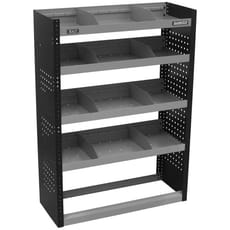
Tooled-Up.com stocks a comprehensive range of shelving solutions from trusted brands including Draper and Sealey, encompassing everything from basic four-tier units to sophisticated van storage systems. Steel shelving units offer exceptional strength and durability for heavy tools and equipment, whilst galvanised racking provides corrosion resistance in damp environments. For mobile tradespeople, specialist van shelving systems such as the Sealey Superline Pro range deliver secure, accessible storage that keeps tools organised and protected during transit. Many units arrive flat-packed for convenient delivery and straightforward assembly, with some incorporating additional features like cupboards and drawers for enhanced organisation.
Whether you're a professional tradesperson needing robust workshop storage, a facilities manager organising warehouse inventory, or a DIY enthusiast tidying a home garage, the right shelving system improves workflow efficiency and protects valuable tools and materials. Professional-grade shelving units are engineered to withstand the demanding conditions of daily commercial use, with load capacities clearly specified to ensure safe operation and compliance with workplace safety standards.
Jargon Buster
- Load Capacity: The maximum weight each shelf can safely support, typically measured in kilograms and assuming evenly distributed loading across the entire shelf surface. Exceeding specified load capacities can compromise structural integrity and safety.
- Galvanised Steel: Steel that has been coated with a protective layer of zinc to prevent rust and corrosion, making it particularly suitable for damp workshops, outdoor storage areas, or environments exposed to moisture.
- Flat Pack: Shelving units delivered unassembled in compact packaging, requiring assembly on-site. This reduces shipping costs and makes transportation easier through doorways and into confined spaces.
- Adjustable Shelving: Systems where shelf heights can be repositioned to accommodate items of varying sizes, providing flexible storage configurations that can be modified as requirements change.
- Bay Width: The internal horizontal measurement between uprights, determining the maximum width of items that can be stored on each shelf level.
- Tier: Individual shelf level within a shelving unit. A four-tier unit contains four separate horizontal shelving surfaces.
Who Uses Shelving?
- Workshop-based tradespeople: Electricians, plumbers, joiners, and mechanics requiring organised tool and parts storage
- Mobile tradespeople: Van-based contractors needing secure, accessible storage during transit
- Warehouse and logistics personnel: Stock management and inventory storage in commercial facilities
- Facilities managers: Organising maintenance equipment and supplies in commercial buildings
- Garage proprietors: Parts storage and workshop organisation in automotive repair businesses
- Manufacturing operatives: Component storage and work-in-progress organisation on production floors
- DIY enthusiasts: Home garage and shed organisation for tools, garden equipment, and materials
- Retailers: Stockroom storage and back-of-house organisation in shop environments
- Estate managers: Equipment storage for grounds maintenance and property upkeep
How to Choose the Right Shelving
Material Construction: Steel shelving offers superior strength and durability for heavy tools, equipment, and materials, with load capacities often exceeding 150kg per shelf. Plastic shelving provides a lightweight, cost-effective solution for lighter items and domestic applications, typically supporting 25-30kg per shelf. Consider galvanised or powder-coated steel for environments exposed to moisture or chemicals.
Load Requirements: Calculate the total weight of items you need to store and select shelving with appropriate load ratings. The selection at Tooled-Up includes units ranging from 100kg total capacity for light-duty applications up to heavy-duty systems supporting several hundred kilograms. Always distribute loads evenly across shelf surfaces and never exceed manufacturer specifications.
Space and Dimensions: Measure available floor space carefully, accounting for ceiling height and allowing clearance for door openings and movement around the unit. Consider bay widths and shelf depths to ensure they accommodate your largest items whilst maximising vertical storage capacity in available space.
Adjustability and Configuration: Adjustable shelving systems offer flexibility to reconfigure storage as needs change, whilst fixed-tier units provide simple, robust construction. Some systems include additional features such as integrated cupboards, drawers, or specialist van racking components that can be combined into modular storage solutions.
Assembly and Installation: Most professional shelving arrives flat-packed and requires assembly using basic hand tools. Check whether wall mounting brackets are included for applications requiring fixed installation, particularly important for safety in workshops or areas subject to vibration or movement.
Application Environment: Van storage requires specialist shelving designed to withstand vibration and movement whilst maintaining secure tool storage. Workshop and warehouse environments benefit from heavy-duty steel construction, whilst domestic garages may suit lighter plastic or basic steel units.
Popular Accessories
- Wall mounting brackets: Additional fixings for securing freestanding units to walls for enhanced stability
- Dividers and bins: Compartmentalise shelf space for small parts and component organisation
- Tool boxes and storage cases: Stackable containers that maximise shelving efficiency
- Load labels and marking systems: Identify contents and maintain inventory control
- Anti-slip shelf liners: Prevent items sliding during vibration or movement
- Extension bays: Expand modular shelving systems as storage requirements grow
- Casters and wheels: Convert static shelving into mobile storage units
- Step stools and platforms: Safely access higher shelf levels
Safety Information
Always follow manufacturer assembly instructions carefully and ensure all fixings are properly tightened before loading shelving units. Never exceed specified load capacities for individual shelves or total unit capacity, and always distribute weight evenly across shelf surfaces rather than concentrating loads in one area. When storing heavy items, position them on lower shelves to maintain a low centre of gravity and reduce tipping risk.
Wall mounting is strongly recommended for tall or heavily loaded units, particularly in workshops where vibration from machinery could cause instability. Ensure wall fixings are appropriate for the wall construction type and use suitable anchors or rawlplugs in masonry. In commercial environments, conduct regular inspections for damage, excessive deflection, or loose components as required by HSE workplace safety guidance.
Van-mounted shelving must be properly secured to vehicle load points using appropriate fixings, and loads should be secured to prevent movement during transit. Consider the combined weight of shelving and stored items to avoid exceeding vehicle payload limits, and ensure emergency equipment remains accessible at all times.
Frequently Asked Questions
What's the difference between plastic and steel shelving units?
Steel shelving offers significantly higher load capacities (typically 150-200kg per shelf versus 25-30kg for plastic), greater durability, and better suitability for heavy tools and equipment. Plastic shelving is lighter, more affordable, rust-proof, and perfectly adequate for domestic storage of lighter items. Steel units are the professional choice for commercial workshops, whilst plastic works well for home garages and sheds.
Can I add extra shelves to my existing unit?
This depends on the specific model and manufacturer. Some professional shelving systems are designed with adjustable configurations allowing additional shelves to be purchased separately, whilst others have fixed tier structures. Check product specifications or contact the manufacturer to determine compatibility before attempting to modify your shelving unit.
How much weight can I safely store on shelving units?
Always refer to the manufacturer's specifications for both individual shelf capacity and total unit capacity. Load ratings assume evenly distributed weight across the entire shelf surface. For example, a shelf rated at 150kg should not have all that weight concentrated in one corner. Heavier items should always be stored on lower shelves to maintain stability and prevent tipping.
Do I need to fix my shelving unit to the wall?
Whilst not always mandatory for shorter, stable units with low loads, wall mounting is strongly recommended for tall units, heavily loaded shelving, or installations in busy workshops where accidental impacts could occur. Wall fixings dramatically improve stability and safety, particularly important in commercial environments or households with children. Most units include mounting brackets and instructions for secure installation.
What's the best shelving solution for a commercial van?
Specialist van shelving systems like the Sealey Superline Pro range are specifically engineered to withstand vehicle movement and vibration whilst keeping tools secure and accessible. These systems typically feature reinforced construction, secure fixing points, and designs that maximise cargo space efficiency. Standard workshop shelving is not suitable for vehicle installation due to safety concerns and lack of appropriate mounting provisions.